
BLOGS
Signs Your Suspension Needs Professional Attention
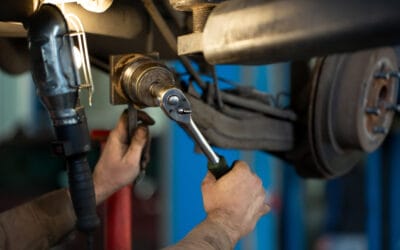
Suspension problems tend to be ignored longer than they should be, partly because the wear creeps in gradually rather than announcing itself all at once. A vehicle that once felt solid on the road starts to feel loose, bouncy, or just a little off; and as it turns out, that gradual shift is exactly what makes the problem easy to miss. Road conditions in Niagara Falls don’t help, either. Potholes, frost heaves, and road salt are known to take a steady toll on steering and suspension components over time. Whether an issue gets caught early or late probably depends on how closely someone’s been paying attention.

Why Does Your Steering Wheel Vibrate While Driving?
Steering wheel vibration is one of those problems that tends to get ignored longer than it probably should. In many cases, it starts as a mild shimmy at highway speeds and gets worse over weeks or months, bit by bit. What’s worth knowing is that the cause isn’t always obvious from the outside; a worn wheel bearing and an unbalanced tyre can feel almost identical to the driver. As it turns out, the speed at which the vibration appears is often one of the most useful clues a mechanic will ask about. The fix could be simple, or it could point to something that genuinely affects steering control.
How Routine Maintenance Helps Your Vehicle Last Longer
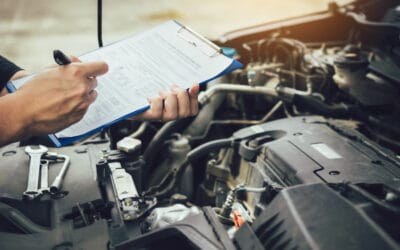
Vehicles that are properly maintained tend to last significantly longer than those that aren’t, and the difference is often traced back to small, consistent services rather than anything dramatic. Oil changes, fluid checks, tire rotations, and brake inspections are all part of the same general approach. As it turns out, a lot of premature engine wear is caused by things that could have been caught early, well before any symptoms showed up. Neglect gets compounded over time, especially in a place like Niagara Falls, where road salt and freeze-thaw cycles put extra stress on components that are rarely thought about. Whether the goal is 200,000 kilometres or just a few more reliable years out of a paid-off vehicle, the approach is roughly the same…
When Should You Replace Your Vehicle’s Air Filter?
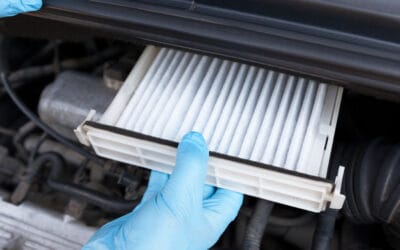
Air filters are one of those components that get replaced on a schedule, yet are often forgotten until something else goes wrong. As it turns out, a clogged filter can quietly affect fuel economy, engine response, and long-term engine health, sometimes before any warning light appears. The replacement interval is generally set by the manufacturer, but real-world conditions, like dusty construction routes or Ontario winters full of road grit, can shorten that window considerably. Whether the filter gets checked during a routine service or flagged on its own is often a matter of how attentive the shop happens to be, and over time, that distinction adds up more than most drivers expect. I suppose that’s easy to overlook until it isn’t.
What Causes Uneven Tire Wear and How to Prevent It
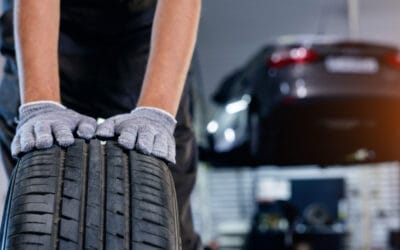
Tyres don’t wear out evenly on their own. When uneven patterns are found across the tread, something mechanical is usually off, whether it’s tyre pressure, wheel alignment, worn suspension parts, or how the vehicle has been driven. As it turns out, the wear pattern itself is often the clearest signal sent by a vehicle before a bigger problem develops. A lot of that damage gets done gradually, over thousands of kilometres, so it’s easy to miss until the tyre is already compromised. Worth paying attention to sooner rather than later, I suppose.
How Often Should You Rotate Your Tires for Longer Tire Life?
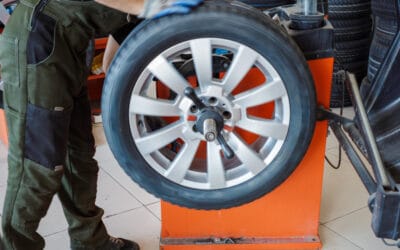
Tire wear is rarely even, and that unevenness tends to be built up quietly over thousands of kilometres before most drivers notice anything wrong. Front tires, as it turns out, are almost always worn faster than rear ones, especially on front-wheel-drive vehicles, which make up a large share of what’s on the road in Niagara Falls. Regular rotation is one of those maintenance steps that gets skipped not out of neglect, exactly, but because it doesn’t announce itself the way a dead battery or a flat tire does. Whether that changes how often people book it in…

How to Prepare Your Vehicle for a Niagara Falls Winter
Winter arrives early along the Niagara region, and road conditions can shift from wet to icy within a single commute. Vehicles that aren’t properly prepared tend to show the damage come spring, sometimes in ways that are expensive to ignore. As it turns out, a lot of that damage is caused not by cold alone, but by road salt that gets packed into wheel wells, brake lines, and undercarriage components over months of driving. The checks that matter most are often the ones that get skipped until something fails. Worth thinking about before the first real freeze hits.
What Every Driver Should Know Before Choosing an Independent Auto Repair Shop
Picking an independent repair shop sounds simple enough, until you’re standing at the service desk wondering whether the quote you just received is actually fair. Drivers in Niagara Falls, ON, particularly those pushing out-of-warranty vehicles through another Ontario winter, face this decision more often than most. As it turns out, the difference between a shop that earns your trust and one that doesn’t usually comes down to a handful of things that can be checked before any work is approved. Certification, pricing transparency, and a willingness to walk you through the work are all signals worth paying attention to, though that last one is often overlooked.
How Ontario Road Salt Damages Your Vehicle (And What to Do)
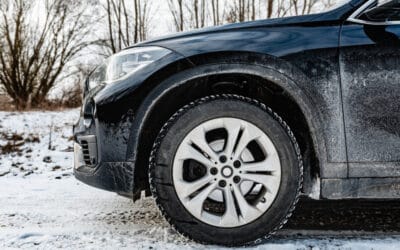
Ontario roads are salted heavily from November through March, and the Niagara region is no exception to that. Corrosion is accelerated by salt at a rate that catches a lot of drivers off guard, particularly on older vehicles where protective coatings have already been worn thin. As it turns out, the damage isn’t always visible until something structural has already been compromised. Brake lines, subframes, and wheel wells tend to be affected first, and those aren’t areas most people think to check. Whether a daily commuter, a work truck, or a family SUV is being driven, the question worth sitting with is: how much has already happened that hasn’t been seen yet.