
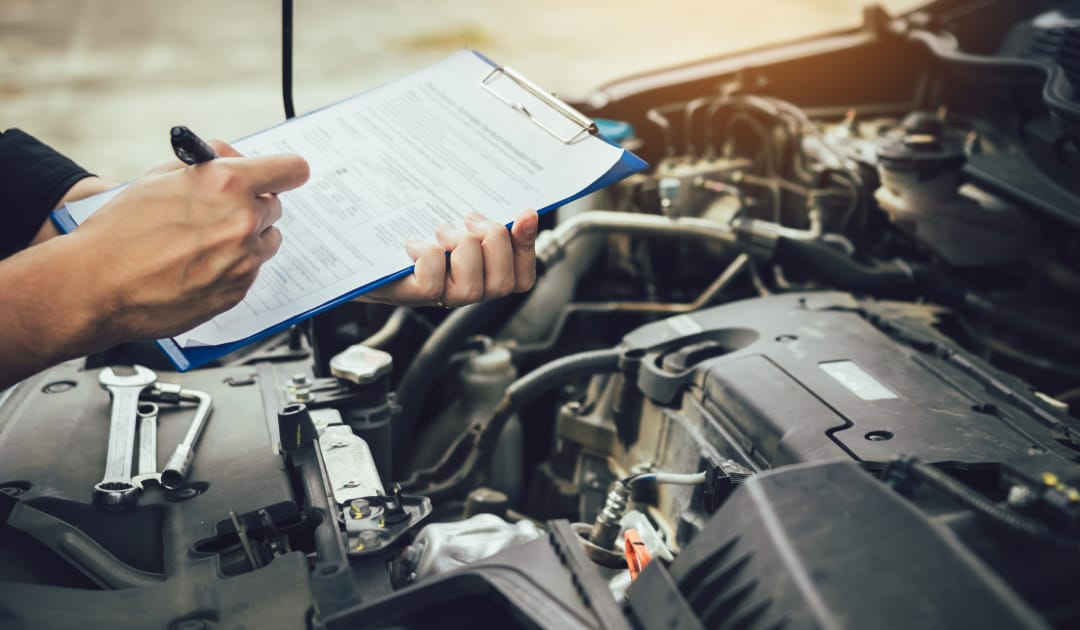
Routine maintenance helps your vehicle last longer by catching small problems before they become expensive ones; oil changes, brake checks, and fluid top-ups are usually the difference between a vehicle that runs well at 200,000 kilometres and one that doesn’t make it there. Hawkeyes Automotive in Niagara Falls, ON, can help you stay on schedule.
Fast Facts
- Vehicles that follow a regular maintenance schedule can last well beyond 250,000 kilometres, depending on driving habits and conditions
- Road salt used on Ontario roads during winter accelerates corrosion on brake lines, exhaust systems, and undercarriage components
- Engine oil that goes unchanged too long breaks down and loses its ability to protect moving parts, which speeds up wear
- A single missed coolant flush can contribute to overheating damage that costs far more to repair than the flush itself
- Tire rotations help tires wear evenly, which extends their usable life and improves handling in wet or icy conditions
Why Maintenance Is About Prevention, Not Reaction
There’s a tendency to bring a vehicle in only when something feels wrong. A noise, a warning light, a pull to one side. But by that point, the problem has usually been developing for a while, quietly, in the background. Routine maintenance is built around the opposite idea: problems are caught before they become symptoms. Oil changes, for instance, aren’t just about keeping the engine lubricated today; they’re about protecting components that would otherwise be worn down gradually over thousands of kilometres. From what we’ve seen, vehicles that are brought in regularly for basic services tend to need far fewer emergency repairs over time. It’s not complicated, I suppose. It’s just consistent.
Oil Changes: Still the Most Important Service You Can Do
It sounds basic, and it is. But an oil change is probably the single highest-return maintenance item on the list, by a fair margin. Fresh oil lubricates, cools, and cleans internal engine components. Old oil does none of those things well; it thickens, loses viscosity, and sludge gets left behind in passages that need to stay clear. For drivers putting in regular kilometres around Niagara Falls, whether that’s a daily commute, a work truck doing site runs, or a family SUV logging highway trips, staying on an oil change schedule matters. Dealer-alternative rates and upfront quotes make it easier to stay consistent without second-guessing the cost, which helps, day by day.
Brakes, Fluids, and the Things People Forget
Brake fluid absorbs moisture over time. That’s just how it works. And as moisture builds up, the boiling point of the fluid is gradually lowered, which can affect braking performance in hard-stop situations. Coolant, transmission fluid, and power steering fluid all have service intervals too, and they’re all easy to overlook when nothing seems wrong. That sounds reasonable on paper, but the consequences of skipping them tend to show up later, and at the worst times. A coolant flush that gets pushed back for a season or two, maybe two and a half, can quietly set the stage for an overheating issue down the road. Small services. Real consequences when they’re missed.
What Ontario Winters Do to a Vehicle
Road salt is used heavily across the Niagara region from roughly November through March, sometimes longer. It does its job on ice and snow, but corrosion is also accelerated on brake lines, exhaust components, and the undercarriage in ways that aren’t always visible until something fails. Rubber seals and hoses take a beating from freeze-thaw cycles too. A pre-winter inspection is a practical way to make sure the vehicle is ready before the worst of it hits; and a post-winter check, once the salt season winds down, is a good time to catch anything that got worn or corroded over the cold months. Both are worth doing, and both tend to be overlooked.
Tires and Alignment: More Connected Than They Seem
When alignment is off, tires wear unevenly, and that uneven wear shortens their life faster than most people expect. A tire that could have lasted another two seasons gets worn out on one edge and needs replacing early. Wear is distributed more evenly across all four tires when rotations are done on schedule, which extends their usable life and keeps handling predictable. In wet or icy conditions, that matters quite a bit. For drivers in Niagara Falls looking for reliable places to buy tires and get alignment checked, finding a shop that handles both under one roof saves time and avoids the back-and-forth. Anyway, that’s usually where it clicks for people who’ve been putting off the rotation.
The Real Cost of Skipping Maintenance
It’s tempting to push services back when things seem fine. But deferred maintenance tends to compound, bit by bit. A belt that should have been replaced at 100,000 kilometres and wasn’t can snap at 115,000 and take other components with it. A brake pad that was borderline at the last inspection and never got replaced can wear through to metal and damage the rotor. In most cases, the repair bill for a neglected item is several times higher than the service that would have prevented it. Quality work at a reasonable price is a fair trade when the alternative is a much larger, unplanned expense; and one that usually comes at the worst possible time.
How Red Seal Certified Expertise Changes the Equation
Not every shop has the same level of training behind the work. Red Seal certification is the national standard for skilled trades in Canada, and it means a rigorous, standardized level of competency has been met by the mechanic working on your vehicle. At Hawkeyes Automotive, that credential is part of how the work gets done, not just how the shop is described. For out-of-warranty vehicles especially, having someone who actually knows the systems, rather than someone following a checklist, makes a real difference. Diagnostics are more accurate. Recommendations are more honest. And in most cases, to be fair, the work is done right the first time.
Keeping Your Vehicle on the Road Longer, Starting Now
A vehicle that’s well maintained doesn’t just last longer. It’s also safer, more predictable, and far less likely to leave someone stranded on the QEW in January. For everyday commuters, families, and tradespeople in Niagara Falls who depend on their vehicles, that reliability isn’t a luxury. It’s the whole point. Straightforward maintenance services are offered at Hawkeyes Automotive with no hidden fees, no unnecessary upsells, and upfront quotes before any work begins. Red Seal certified expertise, local shop trust. If you’re ready to get your vehicle on a proper maintenance schedule, visit the website at hawkeyesauto.com to learn more or get in touch during regular weekday business hours.
Mini-FAQ
Q: How often should I bring my vehicle in for routine maintenance?
Look, it depends on the vehicle and how it’s driven. Most manufacturers recommend an oil change every 5,000 to 8,000 kilometres, though some newer synthetic-oil vehicles can go longer. Fluid checks, tire rotations, and brake inspections are typically recommended at least once or twice a year. A maintenance schedule is usually outlined in your owner’s manual. Worth checking.
Q: Does routine maintenance really make a difference for older, out-of-warranty vehicles?
Fair point to raise, and the honest answer is yes, probably more so than for newer ones. Out-of-warranty vehicles don’t have the same safety net, so staying on top of maintenance is really the only buffer between a minor fix and a major breakdown. Wear items like belts, hoses, and brake pads tend to degrade faster once a vehicle gets past a certain age. Catching them early is almost always cheaper.
Q: What happens if I skip oil changes for a while?
This is one of the most common things we hear about after the fact. When oil isn’t changed regularly, it thickens, loses its lubricating properties, and deposits are left behind on engine components. Over time, those deposits can restrict oil flow and cause serious internal damage. The engine doesn’t fail all at once, usually. It just wears out faster than it should have.
Q: Is winter driving in Ontario harder on vehicles than other seasons?
It is, and it’s not particularly close. Road salt is applied heavily throughout the Niagara region from late fall through early spring, and that salt finds its way into brake lines, wheel wells, and the undercarriage. Freeze-thaw cycles also stress rubber components, seals, and tires. A pre-winter inspection and a post-winter check are both considered good practice here. Not optional, really.