
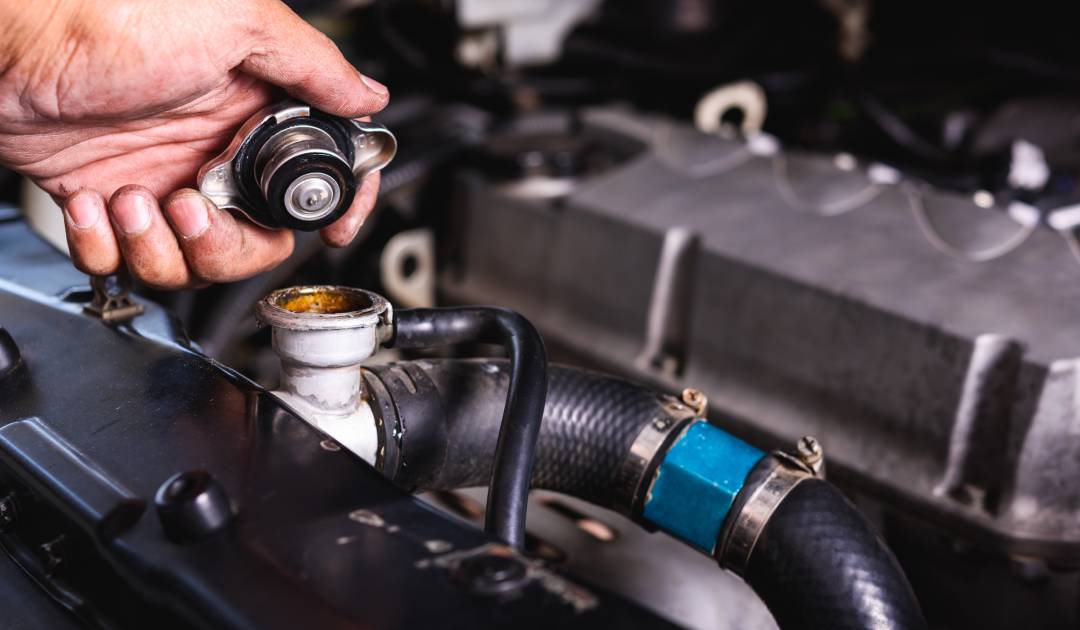
Cooling system problems usually come down to a handful of causes: low coolant, a failing thermostat, a leaking hose, or a worn water pump. Most overheating issues can be prevented with routine inspections and timely fluid top-ups; catching a small leak early is almost always cheaper than dealing with what comes after. Hawkeyes Automotive can help you stay ahead of it.
Fast Facts
- Engine overheating is one of the leading causes of major engine failure in out-of-warranty vehicles, often resulting in repair costs that far exceed what a routine coolant flush would have run
- Coolant should generally be flushed and replaced every 2 to 5 years, depending on the vehicle and the type of coolant used
- A faulty thermostat, one of the least expensive parts in the cooling system, is responsible for a surprisingly high share of overheating complaints
- Road salt and freeze-thaw cycles common to Niagara Falls, ON winters accelerate corrosion in radiators and coolant hoses, shortening their effective lifespan
- Drivers of work trucks and older SUVs tend to see cooling system wear faster, partly due to heavier loads and less frequent maintenance intervals
What the Cooling System Actually Does
The cooling system’s job is to keep the engine operating within a safe temperature range. Coolant is circulated through the engine block and cylinder head, heat is absorbed, and that heat is then moved to the radiator where it gets released into the air. Simple enough in theory. But the system depends on several parts working together, and when one of them starts to fail, the whole balance shifts. For drivers running older vehicles in Niagara Falls, ON, that balance can be more fragile than it looks from the outside.
Low Coolant: The Most Common Starting Point
Low coolant is probably the most frequent reason an engine starts running hot. It can develop gradually through a slow leak at a hose connection, a weeping radiator, or a failing water pump seal. Sometimes the coolant reservoir looks fine at a glance, but the system is still running low. The level should be checked cold, before the engine has been running, for a more accurate read. A lot of commuters and tradespeople check their oil regularly but skip the coolant entirely, and over time, that habit tends to catch up with them.
Thermostat Problems: Small Part, Big Consequences
The thermostat controls when coolant is allowed to flow from the engine to the radiator. When it’s working properly, it stays closed until the engine reaches operating temperature, then opens to let coolant circulate. A thermostat that sticks closed will trap heat in the engine with nowhere to go. One that sticks open can cause the engine to run too cool, which brings its own set of problems. Thermostat replacement is generally one of the more affordable cooling system repairs, so it’s worth checking early when overheating symptoms first appear. Anyway, that’s usually where it clicks for most people.
Radiator Issues and What Road Salt Does to Them
Radiators take a beating in Ontario. The combination of road salt, freeze-thaw cycles, and general road debris means corrosion gets built up on the outside of the radiator fins and, over time, inside the coolant passages as well. A partially blocked radiator can’t shed heat efficiently, so the engine temperature creeps up, especially in slow traffic or on hot days. External leaks are sometimes visible as dried coolant residue around the radiator core or tanks. In many cases, a radiator that looks fine from a distance is already compromised; it’s worth having it looked at if the vehicle has seen several Ontario winters.
Hoses, Clamps, and the Parts Nobody Thinks About
Coolant hoses are made of rubber, and rubber doesn’t last forever. Day by day, they harden, crack, or develop soft spots that can collapse under pressure. A hose that fails on the road usually means an immediate loss of coolant and a very quick temperature spike. Clamps can loosen or corrode, especially around the connections at the radiator and engine. These are inexpensive parts, but they’re often overlooked during routine maintenance. A visual inspection of the hoses, with attention paid to cracks, bulges, or soft sections, takes only a few minutes and can catch a problem before it turns into a breakdown on the QEW.
The Water Pump: Often Overlooked Until It Fails
The water pump is what keeps coolant moving through the system. Without it, circulation stops and the engine overheats quickly. Water pump failure is often preceded by a few warning signs: a slight coolant leak from the weep hole at the front of the pump, a grinding or whining noise from the front of the engine, or coolant contamination. On many vehicles, the water pump is driven by the timing belt, so it’s often replaced at the same time as a timing belt service. That sounds straightforward on paper, but if that service has been skipped or delayed, the water pump is probably due for attention too. Red Seal certified expertise, local shop trust.
Overheating in Stop-and-Go Traffic: Why It Happens More Than You’d Think
Highway driving keeps air moving through the radiator, which helps with cooling. In stop-and-go traffic, that airflow is removed, and the cooling fan has to pick up the slack. If the fan isn’t working properly, or if the coolant level is already a bit low, the engine temperature can climb noticeably in slow traffic. This is something families and commuters in Niagara Falls notice during summer construction season or on busy tourist weekends. A cooling fan that runs intermittently or not at all is often traced back to a faulty fan relay or temperature sensor; both are relatively simple fixes when caught early.
How to Prevent Overheating Before It Becomes a Problem
Prevention really does come down to a few consistent habits. The coolant level should be checked a few times a year, and the mixture should be tested to make sure the antifreeze concentration is right for Ontario winters. Hoses and the radiator ought to be inspected during routine service visits. A temperature gauge that’s running higher than usual shouldn’t be ignored, even if it hasn’t hit the red zone yet. Quality work at a reasonable price is what drivers around Niagara Falls deserve, and that includes straightforward cooling system checks without unnecessary upsells. If it’s been a while since your cooling system was looked at, or if you’re not sure what condition it’s in, visit hawkeyesauto.com to book a time with the team at Hawkeyes Automotive.
Mini-FAQ
Q: How do I know if my car’s cooling system is failing? The most common signs are a temperature gauge climbing higher than usual, a sweet smell coming from the engine bay, or visible coolant pooling under the vehicle. Steam from under the hood is a more urgent signal. These symptoms are often noticed before a full overheating event occurs, which is the best time to act. Don’t wait on it.
Q: Can I just top up my coolant and keep driving if the engine overheats? Fair point, and a lot of people do exactly that. But topping up the coolant only addresses the symptom, not whatever caused the level to drop in the first place. A slow leak, a cracked hose, or a weeping water pump won’t fix itself; the underlying problem still needs to be found and repaired. Damage from repeatedly driving on low coolant tends to build quietly over time.
Q: Does cold weather affect the cooling system? Yes, and in more ways than one. Coolant contains antifreeze, so the mixture ratio matters a lot during Ontario winters. If the concentration is off, the fluid can thicken or, in extreme cases, partially freeze in the lines. Hoses and clamps also take more stress during cold starts.
Q: Is a cooling system inspection something a local shop can handle, or does it need a dealership? Look, cooling system diagnostics and repairs can absolutely be handled by a reputable independent shop with Red Seal certified technicians. No special advantage is held by dealerships for most out-of-warranty vehicles. In many cases, a local shop in Niagara Falls will give you a faster turnaround and more straightforward pricing.