Why Regular Vehicle Inspections Prevent Costly Repairs
Regular vehicle inspections usually catch worn parts, low fluids, and developing faults before they turn into serious repairs; a failing brake pad caught early, for instance, can prevent rotor damage that costs several times more to fix. For drivers in Niagara Falls, ON, routine inspections are one of the more practical ways a vehicle can be protected long-term. Visit Website to book yours.
Fast Facts
- Brake pads that are inspected and replaced on time can prevent rotor damage that typically costs three to five times more to repair
- Ontario’s road salt season runs roughly five to six months of the year, accelerating corrosion on brake lines, suspension components, and undercarriage parts
- Most out-of-warranty vehicles benefit from an inspection at least twice a year, particularly before and after winter
- A basic inspection can flag coolant, transmission, and brake fluid conditions that are often overlooked between oil changes
- Tires are among the most commonly under-inspected components; uneven wear caught early can extend tyre life significantly and improve road safety
What an Inspection Actually Does
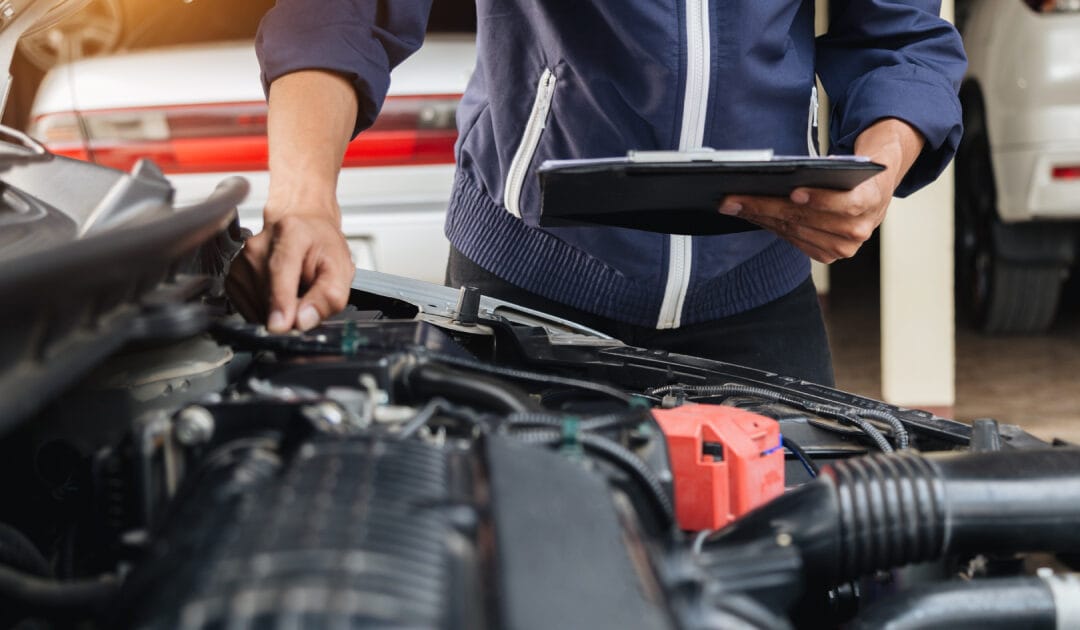
An inspection isn’t just a visual once-over. It’s a structured check of the systems that keep a vehicle safe and running. Brakes, tires, fluids, belts, lights, suspension, and the undercarriage are all looked at with fresh eyes; things that get missed in day-to-day driving are often caught this way. Small changes in brake feel or a slight pull in the steering can be easy to normalize over time. A mechanic who hasn’t been driving the vehicle will notice them faster. That’s probably the most underrated part of the whole process.
The Real Cost of Skipping Inspections
Repairs that are caught early are almost always cheaper than the same repairs caught late. A worn brake pad is a straightforward replacement. A worn brake pad that’s been ignored long enough to score the rotor is a different job entirely, and a more expensive one. The same logic applies to coolant leaks, belt wear, and suspension components. In many cases, the part itself isn’t the expensive piece; it’s the labour and secondary damage that follows when something fails completely. Staying ahead of that, I suppose, is where inspections earn their value.
Why Niagara Falls Vehicles Take More Punishment
Road salt is applied heavily across Niagara Falls and the broader Ontario region from roughly November through April. It does its job on ice, but it’s hard on vehicles. Brake lines, suspension components, and undercarriage metal are all exposed to that salt for months at a time, and corrosion builds gradually in ways that aren’t always visible from above. Post-winter inspections are particularly useful here because that’s when accumulated damage tends to show up. A vehicle that looks fine on the outside can have real wear underneath that only gets spotted when someone actually looks. Funny thing, really.
Out-of-Warranty Vehicles Need More Attention, Not Less
Once a vehicle is out of its manufacturer warranty, there’s no safety net. No scheduled dealer check-ins, no automated reminders tied to a service contract. That responsibility is shifted entirely to the owner. For the commuters, families, and tradespeople who depend on their vehicles daily in Niagara Falls, that’s a meaningful shift. An out-of-warranty car or truck that gets inspected twice a year is far less likely to produce a surprise repair bill than one that only sees a shop when something goes wrong. Bit by bit, consistent maintenance is what keeps older vehicles on the road longer.
What Reputable Mechanics in Niagara Falls Should Be Checking
When people ask what the top auto repair services to look for when searching for mechanics in Niagara Falls, Ontario, inspections are usually near the top of the list. Brakes and rotors, tire condition and pressure, all fluid levels, belts and hoses, battery health, lights, and the exhaust and undercarriage should all be checked by a shop worth trusting. What was found should also be explained in plain language, without jargon or pressure, just a clear picture of where the vehicle stands. Red Seal certified expertise, local shop trust; that combination matters more than most people realize until they’ve had a bad experience somewhere else.
The Difference Between Proactive and Reactive Maintenance
Reactive maintenance means fixing things after they break. Proactive maintenance means catching them before they do. The first approach feels cheaper in the short term because money isn’t spent until something fails, but the repairs that follow a breakdown are rarely small ones. Proactive maintenance, to be fair, tends to produce smaller, more predictable costs spread out over time. For families running one vehicle or tradespeople who can’t afford downtime, that predictability has real value. That sounds straightforward on paper, but it’s usually where things click for people who’ve been on the fence about keeping up with inspections.
Inspections and Seasonal Timing
Timing matters. A pre-winter inspection before the first hard freeze gives drivers a chance to address tire condition, battery health, and brake performance before they’re tested by cold and ice. A post-winter inspection after the salt season lets any corrosion or wear that accumulated over those months be caught before it compounds. Two inspections a year, timed around the seasons, covers most of what out-of-warranty vehicles in this region need. It’s not a complicated schedule, and for most drivers it’s the single most practical step that can be taken to avoid a larger repair bill down the road.
Book Your Inspection at Hawkeyes Automotive
Hawkeyes Automotive serves everyday drivers, families, and tradespeople across Niagara Falls, ON, with straightforward inspections and quality work at a reasonable price. No hidden fees are charged, and no unnecessary upsells are made; just an honest look at the vehicle and a clear explanation of what was found. The shop is open Monday through Friday, so if a car, SUV, or work truck is due for a check, there’s no reason to put it off. Visit Website to learn more about what Hawkeyes Automotive offers and to get in touch with the team.
Mini-FAQ
Q: How often should I get my vehicle inspected if it’s out of warranty? Twice a year is a reasonable starting point for most vehicles. A pre-winter check before the snow hits and a post-winter check once the salt season winds down are both worth doing. Out-of-warranty vehicles don’t have the same manufacturer oversight, so wear and developing faults tend to go unnoticed longer. That’s usually when the bigger bills show up. Q: Does an inspection actually save money, or is it just another thing shops push? Fair point, and it’s one worth answering directly. An inspection itself is a relatively low-cost service. What it does is give you a clear picture of what’s wearing, what’s fine, and what needs attention soon. Decisions can then be made on your terms, not under pressure after a breakdown. No hidden fees, no unnecessary upsells; a good shop tells you what it found and lets you decide. Q: What gets checked during a standard vehicle inspection? Look, the scope varies by shop, but a thorough inspection typically covers brakes, tires, steering and suspension, fluid levels, belts, hoses, lights, and the exhaust system. Undercarriage components are especially worth checking in Niagara Falls, where road salt exposure is significant. Caught early, most of those items are straightforward fixes. Left alone, several of them can cascade into larger problems. That still surprises people. Q: Is it worth inspecting an older work truck or ATV, or just fix things as they break? Honestly, older vehicles probably benefit more from regular inspections, not less. Wear compounds over time, and a truck that’s been hauling heavy loads or an ATV that’s seen rough terrain will have stress placed on components that aren’t always obvious from the outside. Waiting for a breakdown on a work vehicle tends to cost more in both repairs and lost time than staying ahead of it would have.