by SEOteam | Oct 1, 2026 | Blog
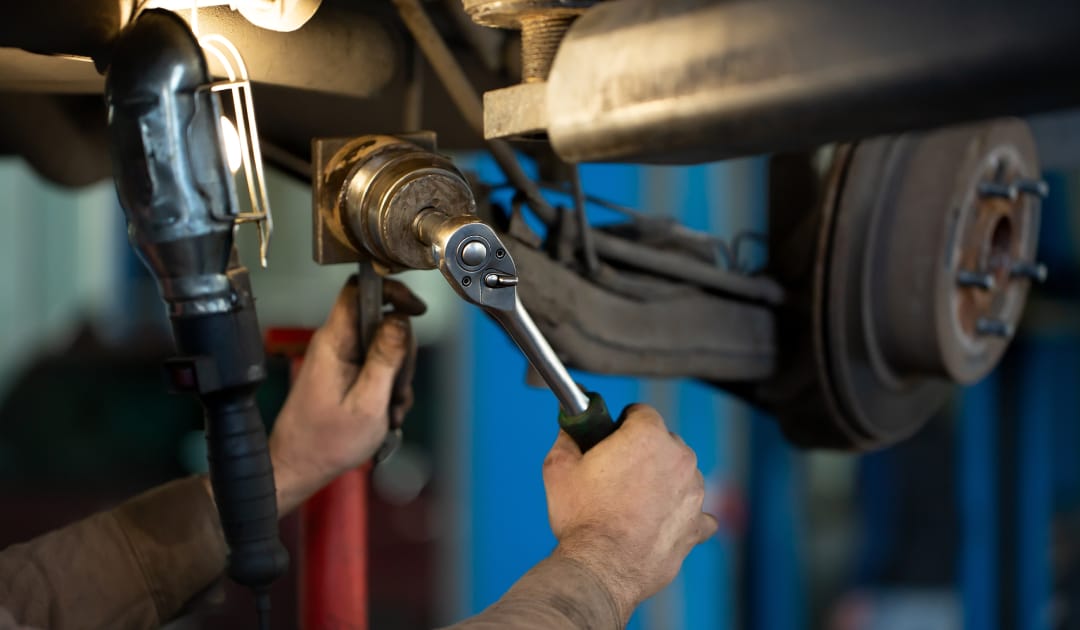
Professional attention is usually needed when clunking or knocking sounds are noticed over bumps, uneven tyre wear is observed, the vehicle pulls to one side, or the ride feels noticeably rougher than it used to; these signs are often caught during a routine inspection. Hawkeyes Automotive can take a look, so visit the website to book a time that works for you.
Fast Facts
- Suspension systems are made up of more than a dozen components, including shocks, struts, ball joints, tie rods, and control arm bushings, and any one of them can wear out independently.
- Worn shocks and struts can increase stopping distance by up to 20%, according to general automotive safety data.
- Ontario’s freeze-thaw cycle and road salt are known to accelerate corrosion on suspension parts, particularly on vehicles that see regular winter driving in the Niagara region.
- Uneven tyre wear is one of the most commonly overlooked early indicators of suspension or alignment issues.
- Many suspension problems are caught during unrelated service visits, like oil changes or tyre rotations, which is why regular maintenance appointments matter.
What Your Suspension Actually Does
Suspension doesn’t get much thought until something goes wrong. But a lot of work is being done by that system on every single drive. Your tyres are kept in contact with the road, impact from bumps and rough surfaces is absorbed, and steering control is maintained, all at once. Without those functions working properly, handling gets unpredictable and stopping distances can increase. It’s not just about ride comfort, though that matters too. It’s about whether your vehicle responds the way it should when you actually need it to.
The Clunking or Knocking Sound You Keep Hearing
That sound over bumps probably isn’t going away on its own. Clunking, knocking, or rattling noises on rough pavement are among the more common early signs of suspension trouble, and they’re often caused by worn ball joints, loose sway bar end links, or deteriorating strut mounts. The tricky part is that these sounds can be easy to dismiss, especially if they only show up occasionally. In most cases, though, the noise gets more frequent before the component actually fails; so it’s worth getting looked at sooner rather than later.
When Your Ride Starts Feeling Rougher Than Usual
There’s a difference between a road that’s rough and a vehicle that’s making every road feel rough. Over time, worn shocks or struts lose their ability to dampen road impact, and the result is a ride that feels bouncy, floaty, or just generally less controlled. It tends to happen bit by bit, so it’s not always noticed until a different vehicle is driven and the contrast becomes obvious. From what we’ve seen, a lot of drivers in Niagara Falls are running on shocks well past their useful life, especially on higher-mileage work trucks and SUVs.
Pulling to One Side While Driving
A vehicle that consistently drifts or pulls to one side isn’t just an alignment issue, though alignment is often part of it. The same symptom can be caused by worn tie rods, a collapsed control arm bushing, or uneven strut wear. And if a suspension component is the root cause, realigning the tyres won’t fix the pull for long; the alignment will just drift again. So if pulling continues even after an alignment was recently done, that’s a signal something underneath needs a closer look. Interesting how that works, really.
Uneven Tyre Wear Is Worth Taking Seriously
Tyre wear patterns tell a story. Cupping, scalloping, or wear that’s heavier on one side of the tread than the other is often tied to suspension problems rather than the tyres themselves. When shocks or struts aren’t doing their job, the tyre bounces slightly with each rotation instead of maintaining consistent contact with the road, and that bouncing creates uneven wear. Replacing tyres without the underlying suspension issue being addressed just means the new set will wear out the same way. It’s one of those things that ends up costing more when it isn’t caught early.
What Ontario Winters Do to Suspension Components
Road salt is hard on a lot of things, and suspension parts are near the top of that list. The combination of moisture, salt brine, and freeze-thaw cycling that comes with Niagara Falls winters accelerates corrosion on metal components, particularly on older vehicles or those that haven’t had regular undercarriage maintenance. Ball joints, tie rod ends, and control arm hardware are all vulnerable to this; rubber bushings can also crack and harden faster in cold climates. Vehicles that have been through several Ontario winters without a suspension inspection are often carrying more wear than their owners realize. Anyway, that’s usually where it clicks for people.
Why a Dealership Isn’t Your Only Option
Getting suspension work done doesn’t have to mean a dealership bill. Red Seal certified expertise and local shop trust means the same level of diagnostic skill is being applied, without the inflated labour rates. At Hawkeyes Automotive, suspension inspections are handled properly, with upfront quotes and no unnecessary upsells. The goal is to tell you what’s actually wrong and what it’ll take to fix it, not to pad a repair order. Quality work at a reasonable price is something a lot of Niagara Falls drivers have come to expect from a shop they trust.
When to Book an Inspection
If any of the signs above sound familiar, the right move is to get it checked before the problem compounds. Suspension wear doesn’t usually fix itself, and in many cases, one failed component puts added stress on the parts around it. Hawkeyes Automotive serves everyday drivers, families, and tradespeople across Niagara Falls, ON, and the shop is open Monday through Friday for inspections and repairs. No hidden fees, no unnecessary upsells, just a straight answer about what your vehicle needs. Visit the website to learn more or to get in touch with the team.
Mini-FAQ
Q: How do I know if it’s my suspension making that clunking noise, or something else?
Look, clunking or knocking sounds over bumps are among the more telling signs, but they’re not always easy to trace on your own. The noise could be coming from a worn ball joint, a loose sway bar link, or a strut that’s seen better days. A proper inspection is really the only reliable way to pinpoint where it’s coming from. Not always obvious from the driver’s seat.
Q: Can I keep driving if my suspension feels a bit off?
Fair point to ask, and the honest answer is: it depends on how off it actually feels. Minor roughness might not be an immediate safety crisis, but a vehicle that’s pulling hard, bottoming out, or being handled unpredictably is a different story. Steering and stopping are both affected by suspension condition, so this isn’t something that should be put off for long. The longer it’s left, the more likely secondary damage gets added to the bill.
Q: Does road salt in Niagara Falls actually damage suspension parts?
This one catches a lot of people off guard. Salt brine used on Ontario roads during winter works its way into joints, bushings, and mounting hardware over time, and corrosion can cause parts to seize or fail faster than they otherwise would. Vehicles that spend years in this climate tend to show suspension wear earlier than those kept in drier regions.
Q: What’s the difference between a suspension check and an alignment?
They’re related but not the same thing. An alignment adjusts the angles of your tyres relative to the road and to each other, while a suspension inspection looks at the physical condition of the components doing the supporting and steering. In many cases, a worn suspension part is what’s causing the alignment to drift in the first place, so both are worth checking together.
by SEOteam | Oct 1, 2026 | Blog
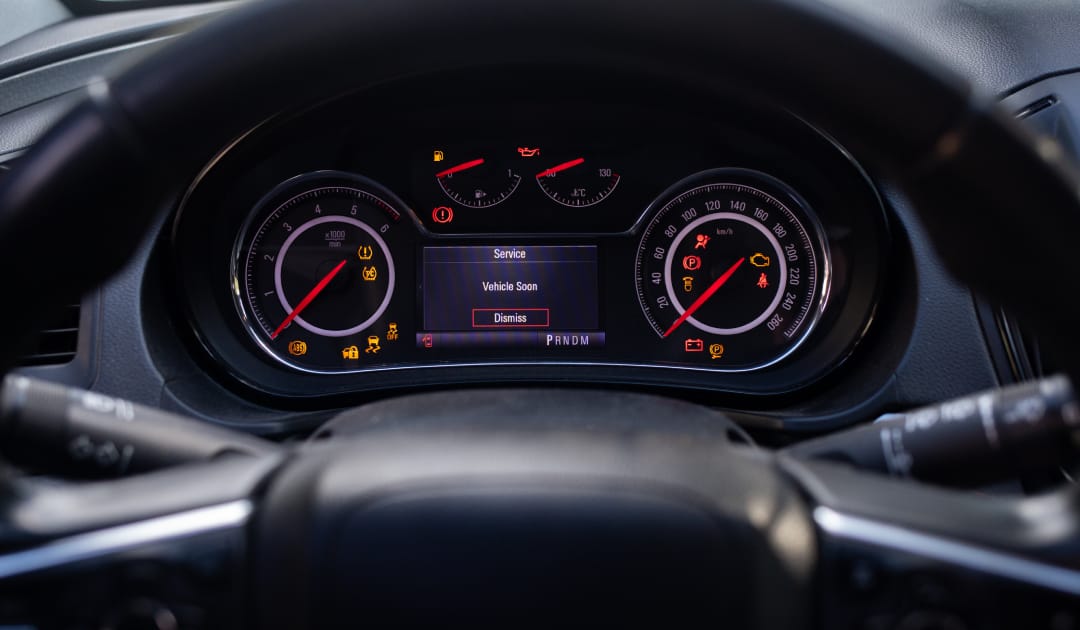
Steering wheel vibration is usually caused by unbalanced or worn tyres, brake rotor issues, loose wheel components, or worn suspension parts. The cause often depends on when the vibration happens; at highway speeds it’s commonly a balance issue, while braking-related shaking often points to rotors. A proper inspection will confirm it.
Fast Facts
- Tyre imbalance is one of the most frequently diagnosed causes of steering wheel vibration, often detectable at speeds above 90 km/h
- Brake rotor warping can cause a pulsing sensation specifically when the brakes are applied, not during regular driving
- Ontario road salt and freeze-thaw cycles accelerate wear on suspension components, which can contribute to vibration over time
- A single bent wheel rim, sometimes caused by a pothole, is enough to produce noticeable shimmy at moderate speeds
- Wheel bearing failure tends to produce a vibration that worsens with speed and may be accompanied by a low humming noise
What the Vibration Is Actually Telling You
A vibrating steering wheel isn’t random. Mechanical feedback is being passed up through the steering column by the vehicle itself, and that feedback usually has a specific source. The tricky part is that several different problems can produce a similar sensation at the wheel. Tyre issues, brake problems, worn suspension parts, and even a bent rim can all feel roughly the same to the driver. What changes is the pattern: when it happens, how fast it gets worse, and whether it’s constant or only appears under braking. Those details, if they’re noted before the vehicle is brought in, tend to make the diagnosis faster and more accurate.
Tyre Balance and Wheel Runout
Probably the most common cause, and often the easiest to address. When a tyre is out of balance, even by a small amount, a rhythmic wobble is created that travels up through the steering. This is typically felt at highway speeds, somewhere above 90 km/h, and may smooth out at lower speeds. Wheel runout, where the tyre or rim isn’t perfectly round, produces a similar feeling. Both are diagnosed on a balancing machine. In many cases, a simple rebalance is all that’s needed; though if the rim itself is bent, usually from a pothole, the tyre will need to be remounted on a straight wheel first.
Brake Rotors and Pedal Pulsation
Worth making a distinction here. If the vibration only appears when the brake pedal is pressed, the tyres probably aren’t the issue. Warped or unevenly worn brake rotors cause the pads to grab inconsistently, which sends a pulsing sensation through the pedal and sometimes up into the steering wheel. It’s a different feel from a tyre shimmy, though not everyone notices the difference right away. Rotors can be warped by heat cycling, aggressive braking, or simply age. This is one of those repairs that tends to get put off, but stopping distance is directly affected by it. Worth addressing sooner rather than later.
Suspension and Steering Components
Worn tie rod ends, ball joints, and control arm bushings are all capable of producing steering vibration, particularly at lower speeds or over uneven pavement. These components are part of what keeps the wheel pointed where it’s intended to go. When they wear out, play develops in the system, and that play translates to looseness or shimmy at the wheel. In Niagara Falls, road salt exposure accelerates corrosion and wear on these parts, especially on vehicles that have been through several Ontario winters. A visual inspection of the front-end components can usually identify the problem, though some wear is only confirmed by feel during a road test.
Wheel Bearings: The One People Often Miss
Wheel bearing failure is sometimes mistaken for a tyre issue, and understandably so. The vibration tends to increase with speed and can feel like a general hum or wobble rather than a distinct shimmy. What sets it apart is that a low droning noise is often heard alongside it, and in some cases the vibration shifts slightly when the steering is turned. Left long enough, a failing wheel bearing can affect handling in ways that go beyond discomfort. It’s one of those components that doesn’t give much warning before it becomes a real problem; over time the wear just compounds quietly, I suppose. Catching it early is the better outcome, by a fair margin.
Engine and Drivetrain Sources
Not all steering vibration comes from the wheels or brakes. In some vehicles, particularly front-wheel-drive cars and trucks with high mileage, worn CV axles or motor mounts can transmit vibration through the drivetrain and into the steering column. This type of vibration is often felt at lower speeds or during acceleration, rather than at a steady cruise. A clicking sound during tight turns may also be produced by a worn CV joint. Motor mount issues tend to produce more of a shudder at idle or under load. Both are worth checking if the wheel-end components come back clean; that’s usually where things start to make sense when the obvious causes have been ruled out.
Why Niagara Falls Roads Make This Worse
Local driving conditions do play a role here. The combination of freeze-thaw cycles, road salt, and pothole-heavy roads puts more stress on tyres, wheels, and suspension than many drivers account for. A tyre that’s holding up fine in milder conditions may show balance issues after a rough winter. Suspension bushings that are borderline worn can deteriorate faster when they’re being exposed to road salt and temperature swings. From what we’ve seen locally, vehicles that aren’t getting regular inspections tend to accumulate several of these issues at once, which makes the vibration harder to pin down without a proper look underneath. That sounds manageable on paper, but in practice it means the diagnosis takes longer and the repair list gets longer with it.
Getting It Diagnosed Without the Runaround
If your steering wheel has been vibrating and you’re not sure where to start, a straightforward inspection is the right first step. At Hawkeyes Automotive in Niagara Falls, the approach is simple: find out what’s actually causing the problem, explain it clearly, and an upfront quote is provided before any work begins. No hidden fees, no unnecessary upsells. Red Seal certified expertise, local shop trust. Whether it’s a tyre balance, a brake job, or something in the front end, the goal is an honest answer and quality work at a reasonable price. To book an inspection or learn more about what’s covered, visit the Hawkeyes Automotive website.
Mini-FAQ
Q: Is it safe to keep driving if my steering wheel is vibrating?
Depends on the cause, and that’s the problem. Some causes, like a slightly unbalanced tyre, are considered low-risk in the short term. Others, like a failing wheel bearing or loose hub components, can become serious fairly quickly. Not something to leave unchecked for weeks.
Q: Does steering wheel vibration always mean I need new tyres?
Fair point, and no, it doesn’t. Tyres are often the first thing people assume, but vibration can be traced to brake rotors, worn tie rod ends, or suspension components just as easily. The tyres might be fine. A proper diagnosis is the only way to know for certain.
Q: Why does my steering wheel only shake at high speeds?
Speed-specific vibration is a pretty reliable indicator of tyre balance or wheel runout issues. When a tyre is even slightly out of balance, the effect becomes more pronounced as rotational speed increases. Below 60 or 70 km/h, it’s often not felt at all. The imbalance is usually measured in grams, which is surprisingly small.
Q: Can cold weather make steering wheel vibration worse?
Tyre pressure drops in cold temperatures, and when pressure is lost, balance and handling feel can both be thrown off. In Niagara Falls winters, road salt and ice are also known to build up inside the wheel, which can temporarily unbalance a tyre until it clears. Suspension components already worn from summer use tend to feel worse once temperatures drop.
by SEOteam | Oct 1, 2026 | Blog
Routine maintenance helps your vehicle last longer by catching small problems before they become expensive ones; oil changes, brake checks, and fluid top-ups are usually the difference between a vehicle that runs well at 200,000 kilometres and one that doesn’t make it there. Hawkeyes Automotive in Niagara Falls, ON, can help you stay on schedule.
Fast Facts
- Vehicles that follow a regular maintenance schedule can last well beyond 250,000 kilometres, depending on driving habits and conditions
- Road salt used on Ontario roads during winter accelerates corrosion on brake lines, exhaust systems, and undercarriage components
- Engine oil that goes unchanged too long breaks down and loses its ability to protect moving parts, which speeds up wear
- A single missed coolant flush can contribute to overheating damage that costs far more to repair than the flush itself
- Tire rotations help tires wear evenly, which extends their usable life and improves handling in wet or icy conditions
Why Maintenance Is About Prevention, Not Reaction
There’s a tendency to bring a vehicle in only when something feels wrong. A noise, a warning light, a pull to one side. But by that point, the problem has usually been developing for a while, quietly, in the background. Routine maintenance is built around the opposite idea: problems are caught before they become symptoms. Oil changes, for instance, aren’t just about keeping the engine lubricated today; they’re about protecting components that would otherwise be worn down gradually over thousands of kilometres. From what we’ve seen, vehicles that are brought in regularly for basic services tend to need far fewer emergency repairs over time. It’s not complicated, I suppose. It’s just consistent.
Oil Changes: Still the Most Important Service You Can Do
It sounds basic, and it is. But an oil change is probably the single highest-return maintenance item on the list, by a fair margin. Fresh oil lubricates, cools, and cleans internal engine components. Old oil does none of those things well; it thickens, loses viscosity, and sludge gets left behind in passages that need to stay clear. For drivers putting in regular kilometres around Niagara Falls, whether that’s a daily commute, a work truck doing site runs, or a family SUV logging highway trips, staying on an oil change schedule matters. Dealer-alternative rates and upfront quotes make it easier to stay consistent without second-guessing the cost, which helps, day by day.
Brakes, Fluids, and the Things People Forget
Brake fluid absorbs moisture over time. That’s just how it works. And as moisture builds up, the boiling point of the fluid is gradually lowered, which can affect braking performance in hard-stop situations. Coolant, transmission fluid, and power steering fluid all have service intervals too, and they’re all easy to overlook when nothing seems wrong. That sounds reasonable on paper, but the consequences of skipping them tend to show up later, and at the worst times. A coolant flush that gets pushed back for a season or two, maybe two and a half, can quietly set the stage for an overheating issue down the road. Small services. Real consequences when they’re missed.
What Ontario Winters Do to a Vehicle
Road salt is used heavily across the Niagara region from roughly November through March, sometimes longer. It does its job on ice and snow, but corrosion is also accelerated on brake lines, exhaust components, and the undercarriage in ways that aren’t always visible until something fails. Rubber seals and hoses take a beating from freeze-thaw cycles too. A pre-winter inspection is a practical way to make sure the vehicle is ready before the worst of it hits; and a post-winter check, once the salt season winds down, is a good time to catch anything that got worn or corroded over the cold months. Both are worth doing, and both tend to be overlooked.
Tires and Alignment: More Connected Than They Seem
When alignment is off, tires wear unevenly, and that uneven wear shortens their life faster than most people expect. A tire that could have lasted another two seasons gets worn out on one edge and needs replacing early. Wear is distributed more evenly across all four tires when rotations are done on schedule, which extends their usable life and keeps handling predictable. In wet or icy conditions, that matters quite a bit. For drivers in Niagara Falls looking for reliable places to buy tires and get alignment checked, finding a shop that handles both under one roof saves time and avoids the back-and-forth. Anyway, that’s usually where it clicks for people who’ve been putting off the rotation.
The Real Cost of Skipping Maintenance
It’s tempting to push services back when things seem fine. But deferred maintenance tends to compound, bit by bit. A belt that should have been replaced at 100,000 kilometres and wasn’t can snap at 115,000 and take other components with it. A brake pad that was borderline at the last inspection and never got replaced can wear through to metal and damage the rotor. In most cases, the repair bill for a neglected item is several times higher than the service that would have prevented it. Quality work at a reasonable price is a fair trade when the alternative is a much larger, unplanned expense; and one that usually comes at the worst possible time.
How Red Seal Certified Expertise Changes the Equation
Not every shop has the same level of training behind the work. Red Seal certification is the national standard for skilled trades in Canada, and it means a rigorous, standardized level of competency has been met by the mechanic working on your vehicle. At Hawkeyes Automotive, that credential is part of how the work gets done, not just how the shop is described. For out-of-warranty vehicles especially, having someone who actually knows the systems, rather than someone following a checklist, makes a real difference. Diagnostics are more accurate. Recommendations are more honest. And in most cases, to be fair, the work is done right the first time.
Keeping Your Vehicle on the Road Longer, Starting Now
A vehicle that’s well maintained doesn’t just last longer. It’s also safer, more predictable, and far less likely to leave someone stranded on the QEW in January. For everyday commuters, families, and tradespeople in Niagara Falls who depend on their vehicles, that reliability isn’t a luxury. It’s the whole point. Straightforward maintenance services are offered at Hawkeyes Automotive with no hidden fees, no unnecessary upsells, and upfront quotes before any work begins. Red Seal certified expertise, local shop trust. If you’re ready to get your vehicle on a proper maintenance schedule, visit the website at hawkeyesauto.com to learn more or get in touch during regular weekday business hours.
Mini-FAQ
Q: How often should I bring my vehicle in for routine maintenance?
Look, it depends on the vehicle and how it’s driven. Most manufacturers recommend an oil change every 5,000 to 8,000 kilometres, though some newer synthetic-oil vehicles can go longer. Fluid checks, tire rotations, and brake inspections are typically recommended at least once or twice a year. A maintenance schedule is usually outlined in your owner’s manual. Worth checking.
Q: Does routine maintenance really make a difference for older, out-of-warranty vehicles?
Fair point to raise, and the honest answer is yes, probably more so than for newer ones. Out-of-warranty vehicles don’t have the same safety net, so staying on top of maintenance is really the only buffer between a minor fix and a major breakdown. Wear items like belts, hoses, and brake pads tend to degrade faster once a vehicle gets past a certain age. Catching them early is almost always cheaper.
Q: What happens if I skip oil changes for a while?
This is one of the most common things we hear about after the fact. When oil isn’t changed regularly, it thickens, loses its lubricating properties, and deposits are left behind on engine components. Over time, those deposits can restrict oil flow and cause serious internal damage. The engine doesn’t fail all at once, usually. It just wears out faster than it should have.
Q: Is winter driving in Ontario harder on vehicles than other seasons?
It is, and it’s not particularly close. Road salt is applied heavily throughout the Niagara region from late fall through early spring, and that salt finds its way into brake lines, wheel wells, and the undercarriage. Freeze-thaw cycles also stress rubber components, seals, and tires. A pre-winter inspection and a post-winter check are both considered good practice here. Not optional, really.
by SEOteam | Sep 1, 2026 | Blog
Most vehicles need a new engine air filter every 20,000 to 25,000 kilometres; but driving conditions matter just as much as distance. Heavy dust, stop-and-go traffic, or gravel roads can wear one out faster. If you’re unsure, a quick visual check at your next service appointment usually tells the story.
Fast Facts
- Engine air filters are typically recommended for replacement every 20,000 to 25,000 kilometres, though some manufacturers suggest longer intervals
- A severely clogged filter can reduce engine airflow enough to affect fuel efficiency noticeably
- Niagara Falls drivers dealing with road salt, construction dust, and winter grit may find filters wearing out sooner than the manual suggests
- Cabin air filters and engine air filters are two separate parts, each with its own replacement schedule
- Most filter checks take only a few minutes during a routine oil change or inspection
What an Engine Air Filter Actually Does
The engine air filter sits between the outside air and your engine’s intake, and its job is a fairly simple one: keeping dirt, dust, insects, and debris out of the combustion chamber. Clean air is drawn in, mixed with fuel, and the engine runs the way it’s supposed to. When that filter gets clogged, though, more effort is required from the engine just to pull in air. And over time, that extra strain starts showing up in ways you can actually feel, like sluggish acceleration or a gradual drop in fuel economy. It’s a small part doing a lot of quiet work, bit by bit, every time the engine runs. Interesting how that works.
The General Replacement Interval
Somewhere between 20,000 and 25,000 kilometres is where most manufacturers land on engine air filter replacement, though intervals as long as 40,000 kilometres are suggested for certain vehicles. That range exists because driving conditions vary so much from one situation to the next. The number printed in your owner’s manual is based on average conditions, which don’t always reflect what’s actually happening under the hood in practice. It’s a starting point, not a hard rule. Checking the filter visually at each oil change is probably the most practical approach, especially for vehicles that see a lot of varied use across different road types.
Why Niagara Falls Driving Conditions Matter
Ontario winters are hard on vehicles in ways that go well beyond the obvious. Road salt, sand, and grit are kicked up constantly from November through March, and that material doesn’t stay on the road where it belongs. Wheel wells, undercarriages, and air intakes all get exposed to it. Drivers in Niagara Falls dealing with heavy winter commutes, or working near construction zones along the QEW corridor, are often pulling more particulate through their filters than someone in a quieter environment would be. In those cases, the standard interval might be too generous; a filter that looks fine at 15,000 kilometres in one vehicle might already be overdue in another. To be fair, the manual can only account for so much.
Signs Your Filter Might Be Overdue
A few things tend to show up when a filter has been left too long. Reduced throttle response is one of them. A slight drop in fuel economy is another, though that one’s easy to miss if it happens gradually, day by day, without any obvious trigger. Some drivers notice the engine sounds different at idle, a bit rougher or more laboured than usual. In more advanced cases, a check engine light can be triggered by airflow sensors detecting restricted intake. None of these are guaranteed signs on their own, but if two or three are showing up at the same time, the filter is worth checking. Probably sooner rather than later.
The Difference Between Engine and Cabin Air Filters
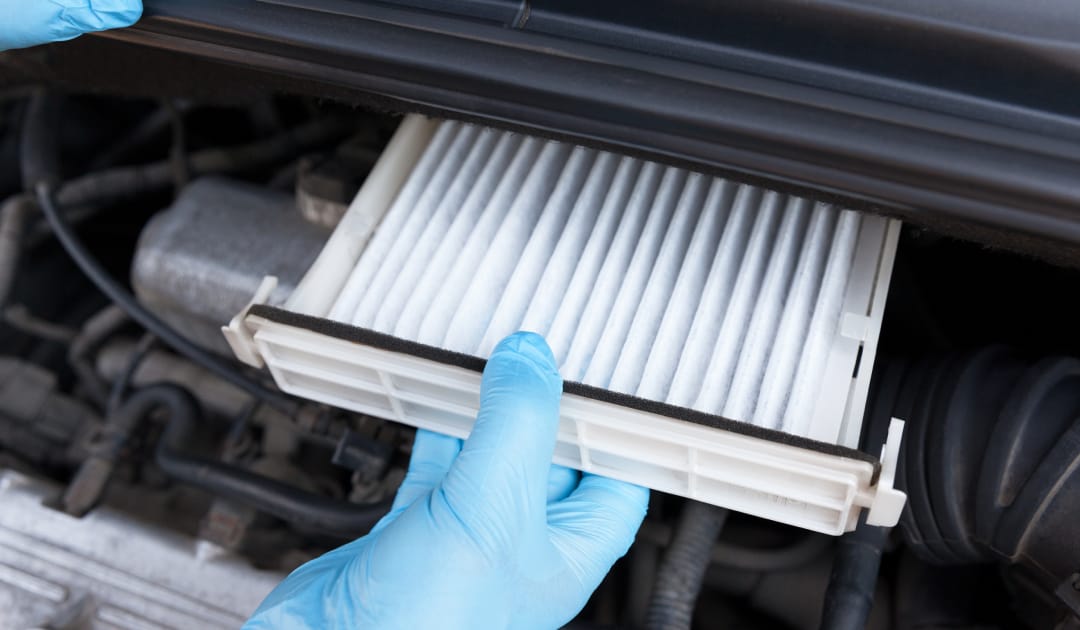
These two get mixed up more often than you’d think, and that’s worth addressing directly. The engine air filter protects the engine. The cabin air filter protects the air inside the vehicle, the air that you and your passengers are actually breathing. They’re separate parts, usually found in different locations, and different replacement schedules are assigned to each. Cabin filters are often recommended every 15,000 to 25,000 kilometres, depending on the manufacturer. Both matter. But they’re not interchangeable, and replacing one doesn’t mean the other has been dealt with; worth confirming that both are on your maintenance checklist before the next service visit.
What Happens If You Skip It
Skipping an air filter replacement for a while isn’t going to blow up your engine. But the effects do build up, even if they’re not immediately obvious. More load gets placed on the intake system as airflow becomes restricted. Fuel trims can be affected as the engine compensates for the imbalance, and over a long enough stretch, contaminants can make their way past a degraded filter and into the intake manifold or further. The repair costs associated with that kind of damage are significantly higher than what a filter replacement would have run. It’s one of those maintenance items where the math is pretty straightforward. Anyway, that’s usually where it clicks for people.
How Air Filter Checks Fit Into Routine Service
Checking an air filter doesn’t require a separate appointment, and that’s genuinely good news for most drivers. At Hawkeyes Automotive, it’s the kind of thing that gets looked at during a regular oil change or inspection, without being turned into an unnecessary add-on. If the filter is fine, you’re told it’s fine. If it needs replacing, you’re shown why, and an upfront quote is given before anything is done. No hidden fees, no unnecessary upsells. That’s just how a straightforward shop operates. Quality work at a reasonable price means not padding a service visit with things that don’t need doing yet.
Getting It Checked in Niagara Falls
If your vehicle is past the 20,000-kilometre mark since the last filter replacement, or if a lot of winter driving, dusty road work, or heavy hauling around the Niagara region has been done recently, it’s worth having the filter looked at. Red Seal certified expertise, local shop trust means the inspection gets done properly, not rushed through. Hawkeyes Automotive is open Monday through Friday for scheduled service. To book a time or find out more about what’s included in a routine maintenance visit, the website can be found at hawkeyesauto.com.
Mini-FAQ
Q: How do I know if my air filter actually needs replacing?
Look at it. A new filter is usually white or off-white; a dirty one is grey, brown, or visibly clogged with debris. That said, colour alone isn’t always the full picture. Some filters look moderately dirty but are still functioning fine, while others can be compromised in ways that aren’t obvious to the eye. Getting it checked by a mechanic during a regular service is the most reliable approach. Not a bad habit to build.
Q: Can a dirty air filter actually hurt my engine?
Fair point, and yes, it can. The engine needs a consistent supply of clean air to mix with fuel properly. When that airflow is restricted, the combustion process is affected, and over time, that strain can be felt in fuel consumption and engine performance. In some cases, contaminants are pulled through a weakened filter and into the engine itself.
Q: Does the type of driving I do in Niagara Falls change how often I need a new filter?
It does. Highway commuters tend to get more kilometres out of a filter than someone driving unpaved roads, idling in heavy traffic, or working a job site where dust is constant. Tradespeople running work trucks around construction zones in the Niagara region often find their filters need attention more frequently than the owner’s manual would suggest. Worth keeping in mind.
Q: Is replacing an air filter something I can do myself?
In many cases, yes. On a lot of vehicles, the air filter housing is accessible and the swap is straightforward. But the filter type, housing design, and access point vary quite a bit depending on the make and model. If you’re not sure what you’re looking at, having it done during a scheduled service means it gets inspected properly and replaced with the right part. No guesswork involved.
by SEOteam | Sep 1, 2026 | Blog
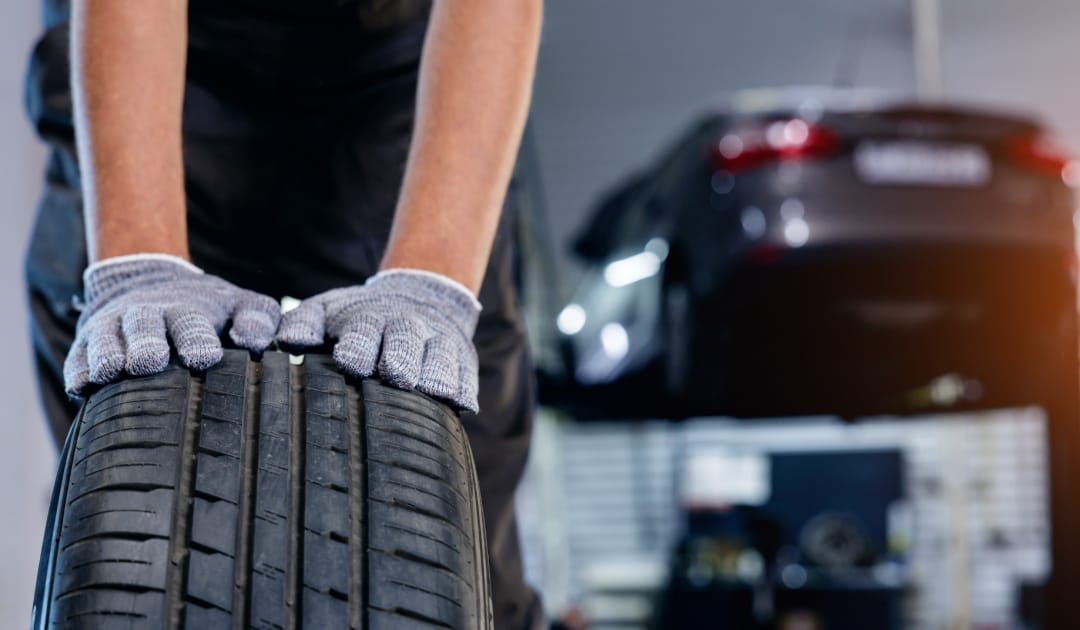
Uneven tire wear is usually caused by incorrect tyre pressure, misaligned wheels, worn suspension components, or infrequent tyre rotations; any one of these can create irregular contact between the tyre and the road. Preventing it comes down to regular checks and catching small issues early. Hawkeyes Automotive can help you sort it out, visit the website to learn more.
Fast Facts
- Tyres should generally be rotated every 8,000 to 12,000 kilometres to prevent uneven wear patterns from setting in
- Wheel alignment that’s off by even a fraction of a degree can cause the inner or outer tread to wear significantly faster than the rest
- Ontario’s freeze-thaw cycles and road salt are known to accelerate suspension wear, which directly affects how evenly your tyres contact the road
- Under-inflated tyres wear fastest on the outer edges; over-inflated tyres wear down the centre strip first
- Ignoring uneven wear long enough can affect braking distance and handling, not just tyre lifespan
Why Tyre Wear Patterns Matter
Tyre wear isn’t random. Each pattern that appears on a tyre, whether it’s worn edges, a worn centre strip, cupping, or feathering, is pointing at something specific. Mechanics read these patterns the way a doctor reads symptoms. The tyre itself is fine; it’s the conditions it’s been operating under that cause the problem. And in many cases, catching the pattern early means a relatively minor issue gets fixed before it turns into a suspension repair or a full set of new tyres. Worth a look every few weeks.
The Role of Tyre Pressure
Incorrect tyre pressure is probably the most common cause of uneven wear, and it’s also the easiest to address. Under-inflation puts too much load on the outer edges of the tread, wearing them down faster than the centre. Over-inflation does the opposite, pushing more weight onto the centre strip while the edges are left relatively untouched. Both conditions reduce the tyre’s contact patch with the road, which affects grip and braking. Ontario winters make this worse, since cold air causes pressure to drop, sometimes by several PSI overnight. Checking pressure monthly is a straightforward habit that pays off, bit by bit.
Wheel Alignment and What Happens When It’s Off
A lot of the one-sided wear patterns mechanics see are traced back to alignment problems. When the wheels aren’t properly aligned, the tyre rolls at a slight angle instead of straight ahead. That angle creates constant friction on one edge of the tread. Over thousands of kilometres, that edge gets worn down noticeably faster than the other side. Roads in Niagara Falls, ON take a beating through freeze-thaw cycles every year, and a bad pothole or curb can knock alignment out without the driver feeling much of anything at the time. An annual alignment check is generally a reasonable precaution; that sounds simple enough, and in practice it usually is.
Suspension Wear and Its Effect on Tyres
Worn suspension components, things like ball joints, tie rod ends, or shock absorbers, allow wheels to move in ways they shouldn’t. That irregular movement gets translated directly into irregular tyre contact with the road. Cupping, also called scalloping, is a common result: a wavy, uneven surface develops across the tread because the tyre is bouncing slightly rather than rolling smoothly. This pattern is often picked up during a routine inspection before the driver notices anything at all. From what we’ve seen, suspension wear tends to be accelerated in vehicles driven on rougher roads or those carrying heavier loads regularly, which is worth keeping in mind for work trucks and SUVs. In a way, the tyre is just the messenger.
Why Tyre Rotation Gets Skipped (And Why It Shouldn’t)
Rotation is one of those maintenance items that tends to get pushed back. It doesn’t feel urgent. But front and rear tyres wear at different rates depending on the vehicle’s drivetrain and how braking load is distributed. Without rotation, the front tyres on a front-wheel-drive vehicle can wear down significantly faster than the rears. When they’re rotated on a regular schedule, that wear gets spread more evenly across all four tyres, extending their overall lifespan. It’s a low-cost service that’s easy to pair with an oil change. Anyway, that’s usually where it clicks for people, when they see how much tread difference has built up between axles.
How Ontario Driving Conditions Make Things Worse
Road salt, temperature swings, and rough pavement are a consistent reality for drivers in Niagara Falls, ON. Suspension and steering components are corroded faster by salt, which can quietly affect how well those parts hold alignment and absorb road impact. Freeze-thaw cycles create potholes that appear fast and hit hard. Winter tyres help with traction, but they also wear differently than all-seasons, and mixing worn winters with newer all-seasons creates its own set of problems. Seasonal tyre swaps are a good opportunity to have the whole setup inspected, not just the tyres themselves. To be fair, most people don’t think about that part until something feels off.
What You Can Do to Prevent Uneven Wear
Prevention comes down to a few consistent habits. Tyre pressure should be checked monthly, including the spare. Rotation is recommended every 8,000 to 12,000 kilometres, or as specified for your vehicle. Alignment should be checked once a year or after any significant impact. And it’s worth paying attention to how the vehicle feels: pulling to one side, vibration through the steering wheel, or a rougher ride than usual are all signals worth acting on. These aren’t complicated things. They’re the kind of checks that keep a vehicle running longer without unexpected costs. No hidden fees, no unnecessary upsells, just straightforward maintenance done right.
Getting It Checked at Hawkeyes Automotive
If uneven wear has been noticed, or if it’s simply been a while since the tyres were looked at properly, Hawkeyes Automotive in Niagara Falls, ON is a practical option. The shop is Red Seal certified, which is the official Canadian standard for automotive expertise, and the approach is straightforward: upfront quotes, honest assessments, and reasonable pricing that doesn’t require a dealership budget. Whether it’s a tyre inspection, an alignment check, or a full look at the suspension, the work gets done without the runaround. Visit the website at hawkeyesauto.com to learn more or to get in touch during regular weekday business hours.
Mini-FAQ
Q: How do I know if my tyres are wearing unevenly? The tread should be checked across the full width of each tyre. If one edge is noticeably more worn than the other, or if patches of smooth rubber are mixed in with deeper tread, that’s uneven wear. All four tyres are worth checking, not just the fronts. A visual pass every month or so is usually enough to catch it early. Easy to overlook, honestly.
Q: Can low tyre pressure really cause that much damage? Fair point to question it, but yes. When a tyre is under-inflated, the sidewalls flex more than they should, and the outer edges end up carrying most of the load. Over time, those edges wear down faster than the centre. The tyre might look fine at a glance, but the wear is already happening.
Q: Does wheel alignment affect tyre wear that much? It’s one of the biggest factors. When wheels aren’t pointing in the right direction, the tyre is essentially being dragged slightly sideways as it rolls. That creates what’s called feathering or one-sided wear. It’s caused by the geometry being off, not the tyre itself. Getting alignment checked once a year, or after hitting a significant pothole, is generally a good idea.
Q: Is tyre rotation really necessary if I don’t drive that many kilometres? Look, even lower-mileage drivers benefit from rotation. Front tyres on most vehicles handle steering and a larger share of braking, so they wear faster regardless of total distance. Rotating them moves that stress around. Skipping it for too long means replacing tyres sooner than you’d need to otherwise. Not a complicated fix, just easy to put off.