by SEOteam | Sep 1, 2026 | Blog
Most vehicles need a new engine air filter every 20,000 to 25,000 kilometres; but driving conditions matter just as much as distance. Heavy dust, stop-and-go traffic, or gravel roads can wear one out faster. If you’re unsure, a quick visual check at your next service appointment usually tells the story.
Fast Facts
- Engine air filters are typically recommended for replacement every 20,000 to 25,000 kilometres, though some manufacturers suggest longer intervals
- A severely clogged filter can reduce engine airflow enough to affect fuel efficiency noticeably
- Niagara Falls drivers dealing with road salt, construction dust, and winter grit may find filters wearing out sooner than the manual suggests
- Cabin air filters and engine air filters are two separate parts, each with its own replacement schedule
- Most filter checks take only a few minutes during a routine oil change or inspection
What an Engine Air Filter Actually Does
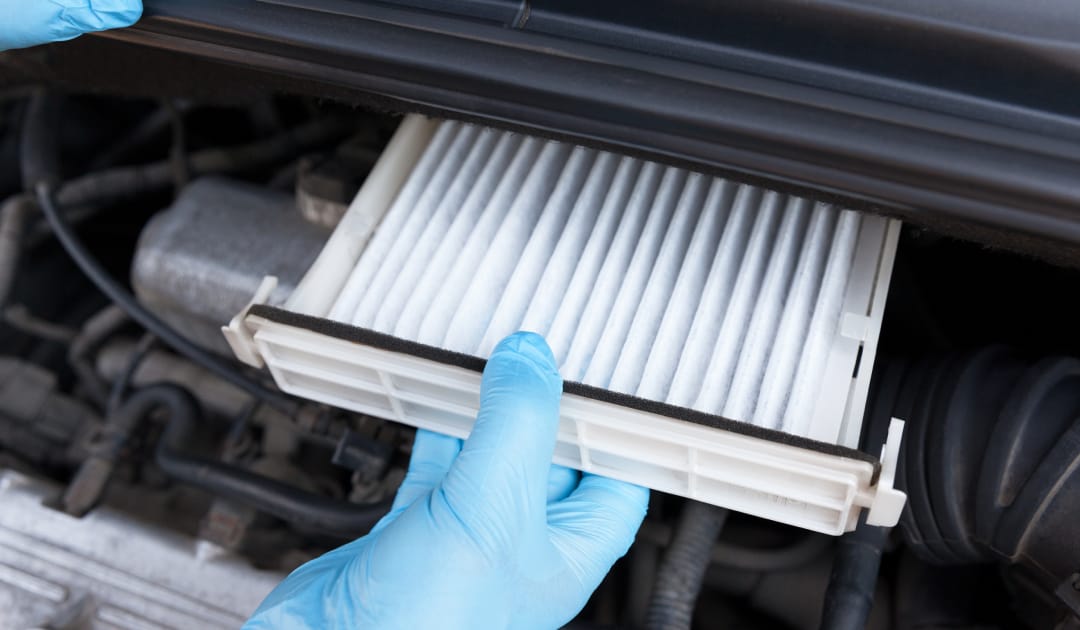
The engine air filter sits between the outside air and your engine’s intake, and its job is a fairly simple one: keeping dirt, dust, insects, and debris out of the combustion chamber. Clean air is drawn in, mixed with fuel, and the engine runs the way it’s supposed to. When that filter gets clogged, though, more effort is required from the engine just to pull in air. And over time, that extra strain starts showing up in ways you can actually feel, like sluggish acceleration or a gradual drop in fuel economy. It’s a small part doing a lot of quiet work, bit by bit, every time the engine runs. Interesting how that works.
The General Replacement Interval
Somewhere between 20,000 and 25,000 kilometres is where most manufacturers land on engine air filter replacement, though intervals as long as 40,000 kilometres are suggested for certain vehicles. That range exists because driving conditions vary so much from one situation to the next. The number printed in your owner’s manual is based on average conditions, which don’t always reflect what’s actually happening under the hood in practice. It’s a starting point, not a hard rule. Checking the filter visually at each oil change is probably the most practical approach, especially for vehicles that see a lot of varied use across different road types.
Why Niagara Falls Driving Conditions Matter
Ontario winters are hard on vehicles in ways that go well beyond the obvious. Road salt, sand, and grit are kicked up constantly from November through March, and that material doesn’t stay on the road where it belongs. Wheel wells, undercarriages, and air intakes all get exposed to it. Drivers in Niagara Falls dealing with heavy winter commutes, or working near construction zones along the QEW corridor, are often pulling more particulate through their filters than someone in a quieter environment would be. In those cases, the standard interval might be too generous; a filter that looks fine at 15,000 kilometres in one vehicle might already be overdue in another. To be fair, the manual can only account for so much.
Signs Your Filter Might Be Overdue
A few things tend to show up when a filter has been left too long. Reduced throttle response is one of them. A slight drop in fuel economy is another, though that one’s easy to miss if it happens gradually, day by day, without any obvious trigger. Some drivers notice the engine sounds different at idle, a bit rougher or more laboured than usual. In more advanced cases, a check engine light can be triggered by airflow sensors detecting restricted intake. None of these are guaranteed signs on their own, but if two or three are showing up at the same time, the filter is worth checking. Probably sooner rather than later.
The Difference Between Engine and Cabin Air Filters
These two get mixed up more often than you’d think, and that’s worth addressing directly. The engine air filter protects the engine. The cabin air filter protects the air inside the vehicle, the air that you and your passengers are actually breathing. They’re separate parts, usually found in different locations, and different replacement schedules are assigned to each. Cabin filters are often recommended every 15,000 to 25,000 kilometres, depending on the manufacturer. Both matter. But they’re not interchangeable, and replacing one doesn’t mean the other has been dealt with; worth confirming that both are on your maintenance checklist before the next service visit.
What Happens If You Skip It
Skipping an air filter replacement for a while isn’t going to blow up your engine. But the effects do build up, even if they’re not immediately obvious. More load gets placed on the intake system as airflow becomes restricted. Fuel trims can be affected as the engine compensates for the imbalance, and over a long enough stretch, contaminants can make their way past a degraded filter and into the intake manifold or further. The repair costs associated with that kind of damage are significantly higher than what a filter replacement would have run. It’s one of those maintenance items where the math is pretty straightforward. Anyway, that’s usually where it clicks for people.
How Air Filter Checks Fit Into Routine Service
Checking an air filter doesn’t require a separate appointment, and that’s genuinely good news for most drivers. At Hawkeyes Automotive, it’s the kind of thing that gets looked at during a regular oil change or inspection, without being turned into an unnecessary add-on. If the filter is fine, you’re told it’s fine. If it needs replacing, you’re shown why, and an upfront quote is given before anything is done. No hidden fees, no unnecessary upsells. That’s just how a straightforward shop operates. Quality work at a reasonable price means not padding a service visit with things that don’t need doing yet.
Getting It Checked in Niagara Falls
If your vehicle is past the 20,000-kilometre mark since the last filter replacement, or if a lot of winter driving, dusty road work, or heavy hauling around the Niagara region has been done recently, it’s worth having the filter looked at. Red Seal certified expertise, local shop trust means the inspection gets done properly, not rushed through. Hawkeyes Automotive is open Monday through Friday for scheduled service. To book a time or find out more about what’s included in a routine maintenance visit, the website can be found at hawkeyesauto.com.
Mini-FAQ
Q: How do I know if my air filter actually needs replacing?
Look at it. A new filter is usually white or off-white; a dirty one is grey, brown, or visibly clogged with debris. That said, colour alone isn’t always the full picture. Some filters look moderately dirty but are still functioning fine, while others can be compromised in ways that aren’t obvious to the eye. Getting it checked by a mechanic during a regular service is the most reliable approach. Not a bad habit to build.
Q: Can a dirty air filter actually hurt my engine?
Fair point, and yes, it can. The engine needs a consistent supply of clean air to mix with fuel properly. When that airflow is restricted, the combustion process is affected, and over time, that strain can be felt in fuel consumption and engine performance. In some cases, contaminants are pulled through a weakened filter and into the engine itself.
Q: Does the type of driving I do in Niagara Falls change how often I need a new filter?
It does. Highway commuters tend to get more kilometres out of a filter than someone driving unpaved roads, idling in heavy traffic, or working a job site where dust is constant. Tradespeople running work trucks around construction zones in the Niagara region often find their filters need attention more frequently than the owner’s manual would suggest. Worth keeping in mind.
Q: Is replacing an air filter something I can do myself?
In many cases, yes. On a lot of vehicles, the air filter housing is accessible and the swap is straightforward. But the filter type, housing design, and access point vary quite a bit depending on the make and model. If you’re not sure what you’re looking at, having it done during a scheduled service means it gets inspected properly and replaced with the right part. No guesswork involved.
by SEOteam | Sep 1, 2026 | Blog
Uneven tire wear is usually caused by incorrect tyre pressure, misaligned wheels, worn suspension components, or infrequent tyre rotations; any one of these can create irregular contact between the tyre and the road. Preventing it comes down to regular checks and catching small issues early. Hawkeyes Automotive can help you sort it out, visit the website to learn more.
Fast Facts
- Tyres should generally be rotated every 8,000 to 12,000 kilometres to prevent uneven wear patterns from setting in
- Wheel alignment that’s off by even a fraction of a degree can cause the inner or outer tread to wear significantly faster than the rest
- Ontario’s freeze-thaw cycles and road salt are known to accelerate suspension wear, which directly affects how evenly your tyres contact the road
- Under-inflated tyres wear fastest on the outer edges; over-inflated tyres wear down the centre strip first
- Ignoring uneven wear long enough can affect braking distance and handling, not just tyre lifespan
Why Tyre Wear Patterns Matter
Tyre wear isn’t random. Each pattern that appears on a tyre, whether it’s worn edges, a worn centre strip, cupping, or feathering, is pointing at something specific. Mechanics read these patterns the way a doctor reads symptoms. The tyre itself is fine; it’s the conditions it’s been operating under that cause the problem. And in many cases, catching the pattern early means a relatively minor issue gets fixed before it turns into a suspension repair or a full set of new tyres. Worth a look every few weeks.
The Role of Tyre Pressure
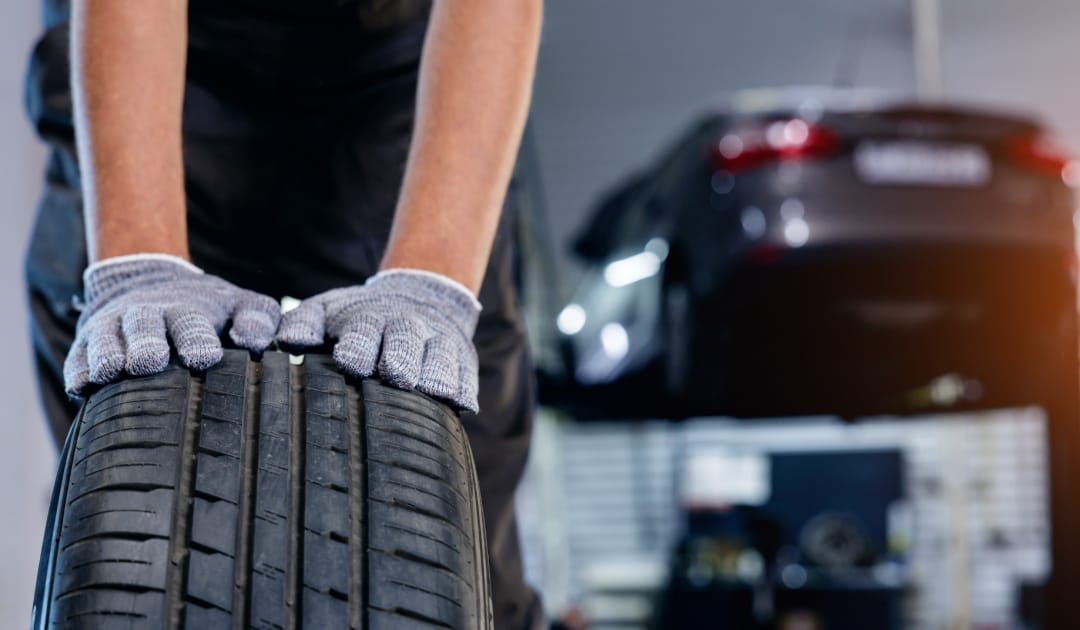
Incorrect tyre pressure is probably the most common cause of uneven wear, and it’s also the easiest to address. Under-inflation puts too much load on the outer edges of the tread, wearing them down faster than the centre. Over-inflation does the opposite, pushing more weight onto the centre strip while the edges are left relatively untouched. Both conditions reduce the tyre’s contact patch with the road, which affects grip and braking. Ontario winters make this worse, since cold air causes pressure to drop, sometimes by several PSI overnight. Checking pressure monthly is a straightforward habit that pays off, bit by bit.
Wheel Alignment and What Happens When It’s Off
A lot of the one-sided wear patterns mechanics see are traced back to alignment problems. When the wheels aren’t properly aligned, the tyre rolls at a slight angle instead of straight ahead. That angle creates constant friction on one edge of the tread. Over thousands of kilometres, that edge gets worn down noticeably faster than the other side. Roads in Niagara Falls, ON take a beating through freeze-thaw cycles every year, and a bad pothole or curb can knock alignment out without the driver feeling much of anything at the time. An annual alignment check is generally a reasonable precaution; that sounds simple enough, and in practice it usually is.
Suspension Wear and Its Effect on Tyres
Worn suspension components, things like ball joints, tie rod ends, or shock absorbers, allow wheels to move in ways they shouldn’t. That irregular movement gets translated directly into irregular tyre contact with the road. Cupping, also called scalloping, is a common result: a wavy, uneven surface develops across the tread because the tyre is bouncing slightly rather than rolling smoothly. This pattern is often picked up during a routine inspection before the driver notices anything at all. From what we’ve seen, suspension wear tends to be accelerated in vehicles driven on rougher roads or those carrying heavier loads regularly, which is worth keeping in mind for work trucks and SUVs. In a way, the tyre is just the messenger.
Why Tyre Rotation Gets Skipped (And Why It Shouldn’t)
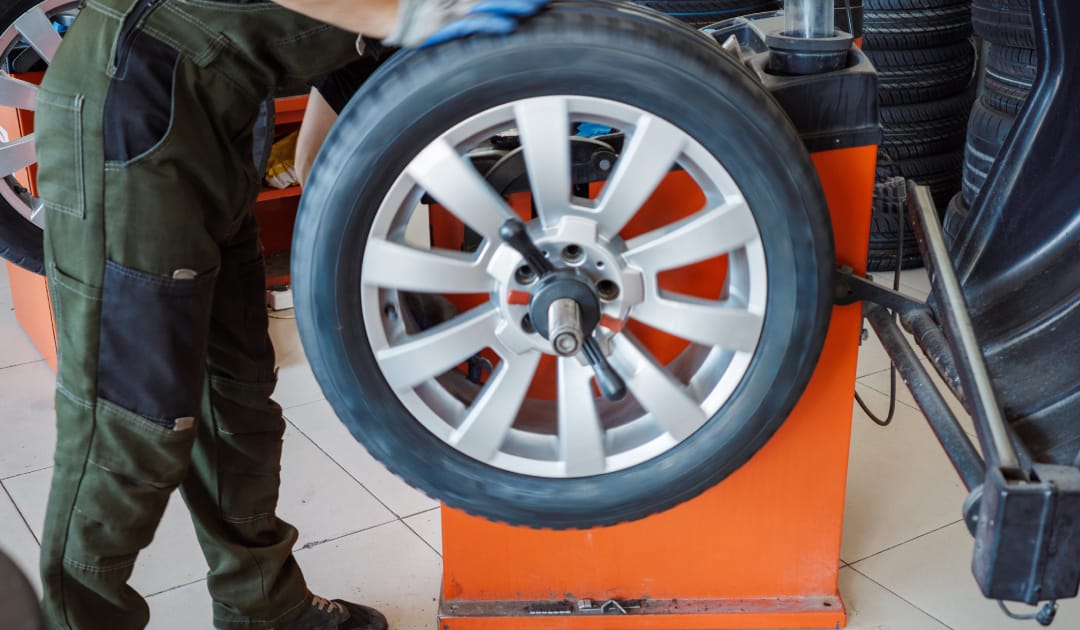
Rotation is one of those maintenance items that tends to get pushed back. It doesn’t feel urgent. But front and rear tyres wear at different rates depending on the vehicle’s drivetrain and how braking load is distributed. Without rotation, the front tyres on a front-wheel-drive vehicle can wear down significantly faster than the rears. When they’re rotated on a regular schedule, that wear gets spread more evenly across all four tyres, extending their overall lifespan. It’s a low-cost service that’s easy to pair with an oil change. Anyway, that’s usually where it clicks for people, when they see how much tread difference has built up between axles.
How Ontario Driving Conditions Make Things Worse
Road salt, temperature swings, and rough pavement are a consistent reality for drivers in Niagara Falls, ON. Suspension and steering components are corroded faster by salt, which can quietly affect how well those parts hold alignment and absorb road impact. Freeze-thaw cycles create potholes that appear fast and hit hard. Winter tyres help with traction, but they also wear differently than all-seasons, and mixing worn winters with newer all-seasons creates its own set of problems. Seasonal tyre swaps are a good opportunity to have the whole setup inspected, not just the tyres themselves. To be fair, most people don’t think about that part until something feels off.
What You Can Do to Prevent Uneven Wear
Prevention comes down to a few consistent habits. Tyre pressure should be checked monthly, including the spare. Rotation is recommended every 8,000 to 12,000 kilometres, or as specified for your vehicle. Alignment should be checked once a year or after any significant impact. And it’s worth paying attention to how the vehicle feels: pulling to one side, vibration through the steering wheel, or a rougher ride than usual are all signals worth acting on. These aren’t complicated things. They’re the kind of checks that keep a vehicle running longer without unexpected costs. No hidden fees, no unnecessary upsells, just straightforward maintenance done right.
Getting It Checked at Hawkeyes Automotive
If uneven wear has been noticed, or if it’s simply been a while since the tyres were looked at properly, Hawkeyes Automotive in Niagara Falls, ON is a practical option. The shop is Red Seal certified, which is the official Canadian standard for automotive expertise, and the approach is straightforward: upfront quotes, honest assessments, and reasonable pricing that doesn’t require a dealership budget. Whether it’s a tyre inspection, an alignment check, or a full look at the suspension, the work gets done without the runaround. Visit the website at hawkeyesauto.com to learn more or to get in touch during regular weekday business hours.
Mini-FAQ
Q: How do I know if my tyres are wearing unevenly? The tread should be checked across the full width of each tyre. If one edge is noticeably more worn than the other, or if patches of smooth rubber are mixed in with deeper tread, that’s uneven wear. All four tyres are worth checking, not just the fronts. A visual pass every month or so is usually enough to catch it early. Easy to overlook, honestly.
Q: Can low tyre pressure really cause that much damage? Fair point to question it, but yes. When a tyre is under-inflated, the sidewalls flex more than they should, and the outer edges end up carrying most of the load. Over time, those edges wear down faster than the centre. The tyre might look fine at a glance, but the wear is already happening.
Q: Does wheel alignment affect tyre wear that much? It’s one of the biggest factors. When wheels aren’t pointing in the right direction, the tyre is essentially being dragged slightly sideways as it rolls. That creates what’s called feathering or one-sided wear. It’s caused by the geometry being off, not the tyre itself. Getting alignment checked once a year, or after hitting a significant pothole, is generally a good idea.
Q: Is tyre rotation really necessary if I don’t drive that many kilometres? Look, even lower-mileage drivers benefit from rotation. Front tyres on most vehicles handle steering and a larger share of braking, so they wear faster regardless of total distance. Rotating them moves that stress around. Skipping it for too long means replacing tyres sooner than you’d need to otherwise. Not a complicated fix, just easy to put off.
by SEOteam | Sep 1, 2026 | Blog
Tires should usually be rotated every 8,000 to 12,000 kilometres; for most drivers in Niagara Falls, that lines up roughly with every oil change. Skipping rotations shortens tread life and can create uneven handling over time… Tread wear and rotation needs can be checked at Hawkeyes Automotive when you visit.
Fast Facts
- Tire rotation is recommended by most manufacturers every 8,000 to 12,000 km, though some high-performance or all-season setups may need it sooner
- Front tires on front-wheel-drive vehicles can wear up to 2.5 times faster than rear tires without regular rotation
- Ontario road salt and freeze-thaw cycles can accelerate uneven tread wear, making rotation especially important for Niagara Falls drivers
- Skipping rotations doesn’t just shorten tire life; braking distance and handling can also be affected, particularly in wet or icy conditions
- Rotating tires at the same time as an oil change is one of the easiest ways to stay on schedule without adding a separate appointment
Why Tire Rotation Gets Skipped More Than It Should
Tire rotation sits in a quiet middle ground, as far as maintenance items go. It’s not urgent enough to feel like an emergency, but real damage is done when it’s skipped long enough. From what we’ve seen at Hawkeyes Automotive, a lot of drivers in Niagara Falls simply don’t realize how quickly uneven wear compounds. A tire that’s been carrying more load than its counterpart for 20,000 kilometres doesn’t just wear faster; handling, braking, and response in wet or icy conditions can all be affected over time. Small thing, bigger consequences than most people expect.
The Standard Interval: What the Numbers Actually Mean
Generally speaking, the 8,000 to 12,000 kilometre range is where most passenger vehicles land. That number is arrived at through a combination of manufacturer recommendations and real-world wear patterns observed across different drive configurations. For the average commuter putting on roughly 20,000 kilometres a year in and around Niagara Falls, that works out to roughly two rotations annually. Tying it to your oil change schedule is probably the simplest approach, since the vehicle is already being brought in. It keeps the interval consistent without requiring a separate trip.
Front-Wheel Drive vs. All-Wheel Drive: It’s Not the Same
Drive configuration matters more than a lot of people realize. On a front-wheel-drive car, acceleration, steering, and a significant share of braking are all handled by the front tires. They wear considerably faster than the rears. Left unrotated, the front pair will often need to be replaced well before the rears are anywhere near done. All-wheel-drive vehicles distribute load more evenly, but they’re not immune; in fact, mismatched tread depths across all four tires can stress the drivetrain on some AWD systems. Worth knowing, I suppose, before your SUV or crossover is assumed to be fine to skip.
What Ontario Winters Do to Your Tires
Road conditions in Niagara Falls put extra demands on tires that drivers in milder climates don’t deal with to the same degree. Road salt is corrosive, and it gets into everything, including the small surface variations in tread rubber. The freeze-thaw cycle through late fall and early spring causes pavement to shift and crack, creating rougher road surfaces that accelerate wear. If a separate set of winter tires is being run, the seasonal swap is a natural moment to inspect wear patterns on both sets and confirm your rotation schedule is still appropriate. A lot of people treat the swap as just a swap. It’s actually a useful inspection point.
Tread Wear Patterns Tell a Story
Uneven wear isn’t random. It’s usually caused by something specific: under-inflation, over-inflation, alignment issues, or simply the mechanical reality of which axle is doing more work. A tire worn more on the outer edges than the centre is probably running low on air; one worn on the inside edge might point to an alignment problem. When tires are rotated regularly, those patterns get caught earlier, and the underlying cause can be addressed before a new set’s life is shortened. Rotation is partly about evening out wear, it’s also a diagnostic opportunity. Anyway, that’s usually where it clicks for people who’ve been skipping it.
How Rotation Connects to Tire Longevity (and Your Wallet)
A quality set of all-season tires represents a real investment, especially for families and tradespeople running work trucks or larger vehicles. Extending that investment by 20,000 or even 30,000 kilometres through consistent rotation isn’t a small thing; it adds up over the life of the vehicle. At Hawkeyes Automotive, the approach is straightforward: quality work at a reasonable price, which includes not letting something as simple as a rotation interval quietly cost you a full set of tires ahead of schedule. The math on skipping it rarely works out in the driver’s favour.
Signs You May Have Already Waited Too Long
A few things are worth paying attention to between service visits. Vibration through the steering wheel at highway speeds can indicate uneven wear. Pulling to one side, even slightly, sometimes points to tread differences between the left and right tires. A noticeable humming or droning sound that changes with speed is another signal worth noting. None of these are guaranteed to mean your tires are past the point where rotation can help, but they’re worth having checked. Catching it early is almost always better than waiting until the wear becomes obvious from a visual inspection. Probably enough said on that.
Getting It Done in Niagara Falls Without the Dealership Price Tag
For drivers who’ve moved past their factory warranty, the dealership isn’t always the most practical option for routine maintenance. Tire rotation is one of those services where dealer-alternative rates make a real difference, particularly when it’s being kept up every 8,000 to 12,000 kilometres as recommended. At Hawkeyes Automotive, rotations are handled by Red Seal Certified technicians who’ll also flag anything else worth knowing about your tires or suspension while the wheels are off. No hidden fees, no unnecessary upsells. If your rotation schedule needs sorting, or your current tread wear should be assessed, the Hawkeyes Automotive website is the place to start planning your next appointment.
Mini-FAQ
Q: Does the type of vehicle I drive change how often I need to rotate?
Yes, it does. More strain is placed on the front tires of front-wheel-drive vehicles, so rotation tends to be needed on the shorter end of the recommended range. Trucks and SUVs used for hauling or towing are also worth watching more closely. Not a one-size-fits-all situation.
Q: Can I skip a rotation if my tires still look fine?
Fair point, and it’s one a lot of drivers make. The problem is that uneven wear isn’t always visible until it’s already well along. By the time a clear difference between front and rear tread depth can be seen, some tyre life has likely already been lost. Wear is measured in millimetres, not eyeballed from the driveway.
Q: How does Ontario’s winter affect how often I should rotate?
This is something that comes up a lot with drivers in Niagara Falls. Road salt, gravel, and the repeated freeze-thaw cycle through winter and early spring put extra stress on tires, particularly on the front axle where steering and braking forces are concentrated. If you’re swapping between winter and all-season tires each year, that seasonal changeover is a natural checkpoint where wear can be inspected and your rotation schedule adjusted.
Q: Is tire rotation something I can just do myself?
It can be done at home if the right equipment is on hand, a floor jack, jack stands, and a torque wrench being the basics. That said, it’s also a good moment to have a trained eye check for uneven wear patterns, brake condition, and suspension issues that might be causing the wear in the first place. A lot gets caught during a rotation that wouldn’t have been noticed otherwise.