by SEOteam | Nov 1, 2026 | Blog
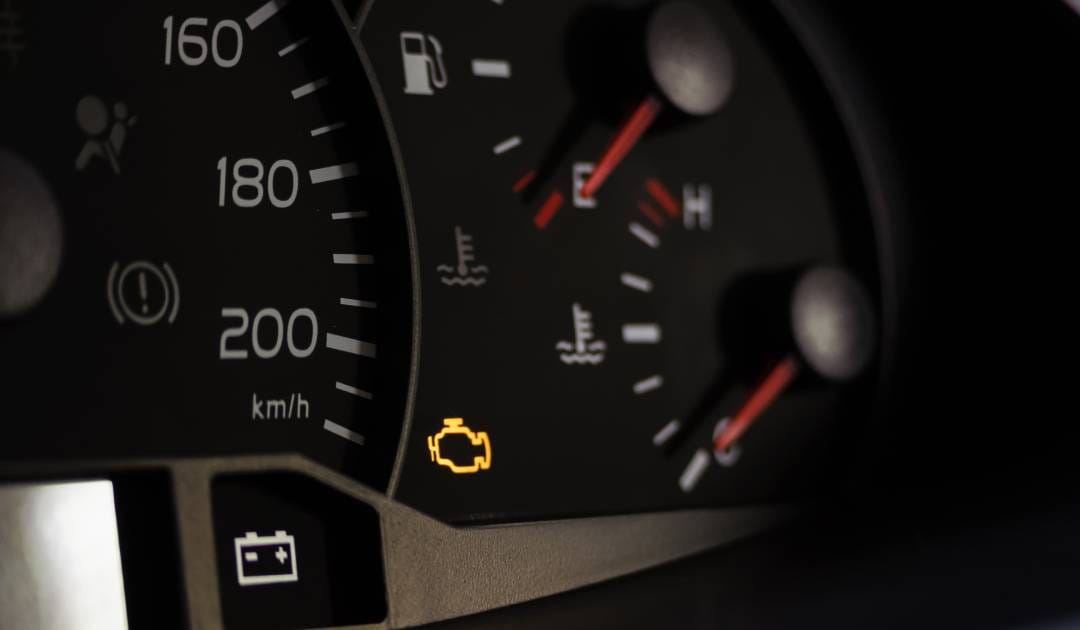
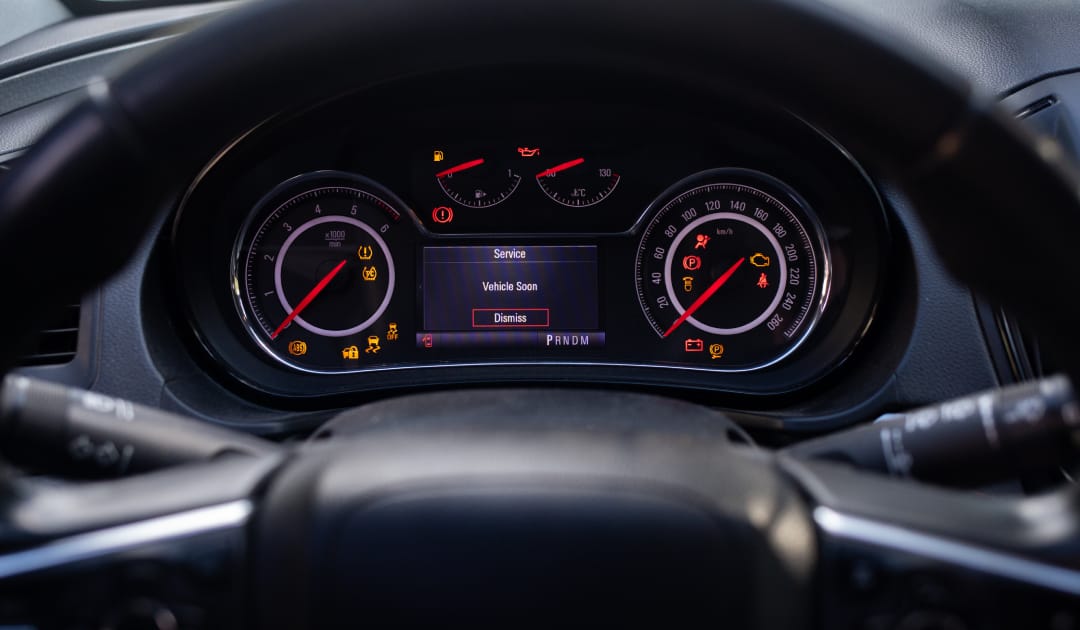
The check engine light usually comes on when your vehicle’s onboard diagnostic system detects a fault in the engine, emissions, or fuel system; common triggers include a loose gas cap, a faulty oxygen sensor, misfiring cylinders, or a failing catalytic converter. In many cases, a proper diagnostic scan is needed to pinpoint the exact cause. Hawkeyes Automotive can help with that.
Fast Facts
- Modern vehicles monitor over 200 potential fault conditions through their onboard diagnostic (OBD-II) system, any one of which can trigger the check engine light
- A loose or missing gas cap is one of the most frequently overlooked causes, and it can be resolved in seconds
- A flashing check engine light is generally more urgent than a steady one, often pointing to an active engine misfire
- Oxygen sensor failures are among the most common check engine triggers in vehicles with higher mileage
- In Niagara Falls, ON, road salt and winter conditions can accelerate corrosion on sensors and exhaust components, making check engine issues more common than in milder climates
How the Check Engine Light Actually Works
Your vehicle’s onboard diagnostic system, commonly called OBD-II, runs continuously in the background while you drive. Data is sent to the engine control module by sensors throughout the engine, exhaust, and fuel system. When a reading falls outside the accepted range, a diagnostic trouble code is stored and the check engine light is triggered. It’s not a single sensor doing one job; it’s a network of components all reporting back to a central system. So when that light comes on, something in that network is being flagged as needing a closer look.
The Most Common Causes, Ranked by Frequency
From what we’ve seen at the shop, a handful of issues account for the majority of check engine lights. A loose or faulty gas cap sits near the top of the list, since fuel vapour pressure in the system is affected when the seal isn’t right. Oxygen sensors are another frequent culprit, especially in higher-mileage vehicles. Spark plugs and ignition coils come up regularly too, particularly in vehicles where routine maintenance hasn’t been kept up. Catalytic converter failures tend to show up later in a vehicle’s life, and mass airflow sensor faults are more common than people expect. None of these are rare. Most are fixable without breaking the bank.
When the Light Is Urgent vs. When It Can Wait
Not every check engine light is a crisis. A steady amber light generally means a fault has been recorded, but the vehicle is still running within a range the system considers stable. It should be checked, though it’s not usually a reason to pull over immediately. A flashing light is treated differently. That typically points to an active misfire, where unburned fuel is being pushed into the exhaust; the catalytic converter can be damaged fairly quickly in that scenario. Getting the vehicle off the road and diagnosed sooner rather than later is the right call. The difference between steady and flashing, to be fair, is worth knowing.
How Ontario Winters Make This Worse
Vehicles in Niagara Falls, ON take a harder hit from the environment than drivers in milder climates might expect. Road salt is corrosive, and over time it works on wiring harnesses, sensor connections, and exhaust components in ways that aren’t always visible. An oxygen sensor that’s been exposed to several Ontario winters may start giving inaccurate readings before it fails outright. Rust on exhaust components can affect how the catalytic converter performs. Even wheel speed sensors can be compromised by salt and moisture, bit by bit, before any obvious symptoms appear. It’s one of those regional realities that tends to show up as a check engine light before it shows up as anything more dramatic.
The Gas Cap Situation (It’s More Common Than You’d Think)
A loose gas cap is probably the most anticlimactic check engine trigger there is. The fuel system is designed to be sealed, and fuel vapour pressure is monitored by the OBD-II system as part of its emissions checks. If the cap isn’t seated properly, pressure drops and a code gets stored. The fix takes about three seconds. That sounds good on paper, but the light won’t go off immediately after the cap is tightened; the system needs to run through a few drive cycles before it clears. So if the light comes on shortly after a fill-up, that’s the first thing worth checking before anything more serious is assumed. That’s usually where it clicks for most people.
What a Diagnostic Scan Actually Tells You
Plugging in an OBD-II scanner gives you a trouble code, but the code is a starting point, not a final answer. A code like P0420, for example, points to catalyst system efficiency below threshold, which could mean a failing catalytic converter, a bad oxygen sensor, or an exhaust leak affecting the readings. Interpreting the code correctly takes experience and, in many cases, additional testing. That’s why a proper diagnostic involves more than just reading a number off a scanner. The vehicle’s history, mileage, and symptoms will all be cross-referenced by a trained mechanic before a repair is recommended. No hidden fees, no unnecessary upsells; just a clear explanation of what the code means and what the actual fix looks like.
Why Ignoring It Tends to Cost More Later
Leaving a check engine light unaddressed is one of those things that seems harmless until it isn’t. A minor issue, like a failing oxygen sensor, can cause the engine to run rich over time, meaning more fuel gets burned than it should. That extra fuel can shorten the life of the catalytic converter, which is a significantly more expensive repair. Small faults have a way of compounding when they’re not caught early. From what we’ve seen, the vehicles that come in with the most expensive repair bills are often the ones where a warning sign was ignored for a season or two. Routine diagnostics are a lot cheaper than the problems they prevent. Funny thing, really.
Getting It Checked at Hawkeyes Automotive in Niagara Falls
If your check engine light has come on and you’re not sure what it means, the straightforward move is to get it scanned by someone who knows what they’re looking at. At Hawkeyes Automotive, diagnostics are handled by Red Seal certified mechanics who work on everyday cars, SUVs, work trucks, and ATVs. No pressure to approve repairs on the spot is applied, and an honest explanation of what the code means and what your options are will be provided. Quality work at a reasonable price, with upfront quotes before anything gets started. To book a diagnostic or learn more about what’s offered, visit the Hawkeyes Automotive website.
Mini-FAQ
Q: Is it safe to keep driving with the check engine light on? Depends on the situation, honestly. A steady light often means something needs attention but isn’t immediately dangerous. A flashing light is a different story; that’s typically treated as a sign to pull over and get the vehicle looked at soon. Additional damage can be caused by driving on a flashing light. Not a risk worth taking.
Q: Can a check engine light turn itself off? In some cases, yes, the light can go off on its own if the fault condition clears, like after a loose gas cap is tightened and the system runs through a few drive cycles. But the fault code is still stored in the system, and the underlying issue may still be present. Having it scanned is worth doing regardless.
Q: What’s the difference between a steady and a flashing check engine light? The distinction matters more than most drivers realize. A steady light means a fault has been detected and logged, but the engine is still running within a range the system considers manageable. A flashing light, on the other hand, usually signals an active misfire; the catalytic converter can be damaged if the vehicle keeps running in that state. The flashing version is treated as more urgent by most mechanics.
Q: Do I need a dealership to diagnose a check engine light? Not at all. Fault codes can be read and interpreted by any shop with a proper OBD-II scanner and trained technicians. Independent shops, especially those with Red Seal certified mechanics, are well equipped to handle diagnostics on most makes and models. Dealer-alternative rates, same quality of work.
by SEOteam | Nov 1, 2026 | Blog
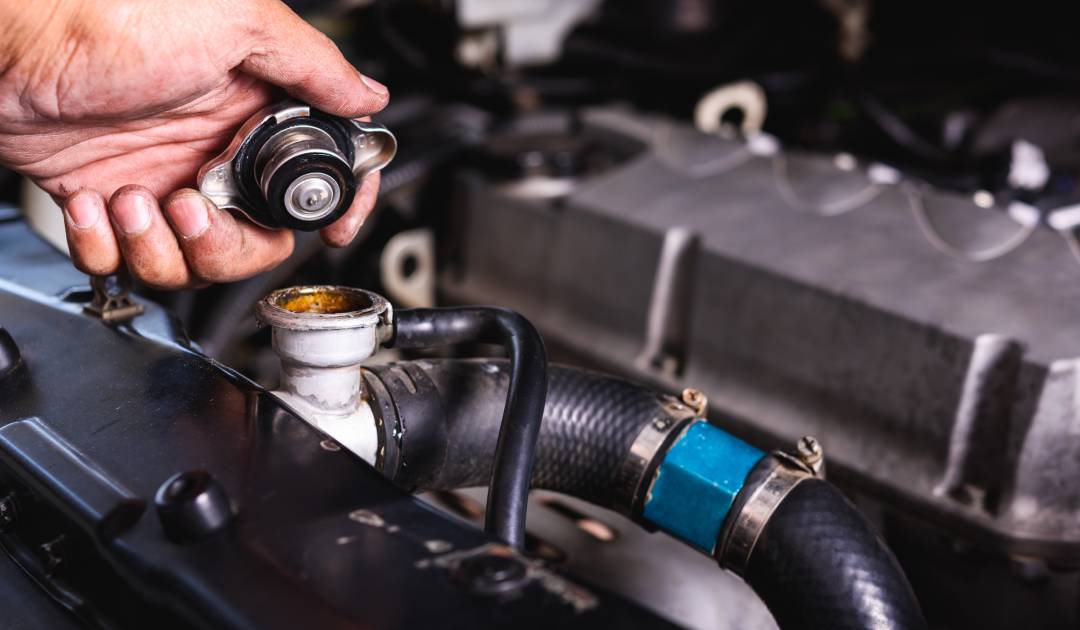
Cooling system problems usually come down to a handful of causes: low coolant, a failing thermostat, a leaking hose, or a worn water pump. Most overheating issues can be prevented with routine inspections and timely fluid top-ups; catching a small leak early is almost always cheaper than dealing with what comes after. Hawkeyes Automotive can help you stay ahead of it.
Fast Facts
- Engine overheating is one of the leading causes of major engine failure in out-of-warranty vehicles, often resulting in repair costs that far exceed what a routine coolant flush would have run
- Coolant should generally be flushed and replaced every 2 to 5 years, depending on the vehicle and the type of coolant used
- A faulty thermostat, one of the least expensive parts in the cooling system, is responsible for a surprisingly high share of overheating complaints
- Road salt and freeze-thaw cycles common to Niagara Falls, ON winters accelerate corrosion in radiators and coolant hoses, shortening their effective lifespan
- Drivers of work trucks and older SUVs tend to see cooling system wear faster, partly due to heavier loads and less frequent maintenance intervals
What the Cooling System Actually Does
The cooling system’s job is to keep the engine operating within a safe temperature range. Coolant is circulated through the engine block and cylinder head, heat is absorbed, and that heat is then moved to the radiator where it gets released into the air. Simple enough in theory. But the system depends on several parts working together, and when one of them starts to fail, the whole balance shifts. For drivers running older vehicles in Niagara Falls, ON, that balance can be more fragile than it looks from the outside.
Low Coolant: The Most Common Starting Point
Low coolant is probably the most frequent reason an engine starts running hot. It can develop gradually through a slow leak at a hose connection, a weeping radiator, or a failing water pump seal. Sometimes the coolant reservoir looks fine at a glance, but the system is still running low. The level should be checked cold, before the engine has been running, for a more accurate read. A lot of commuters and tradespeople check their oil regularly but skip the coolant entirely, and over time, that habit tends to catch up with them.
Thermostat Problems: Small Part, Big Consequences
The thermostat controls when coolant is allowed to flow from the engine to the radiator. When it’s working properly, it stays closed until the engine reaches operating temperature, then opens to let coolant circulate. A thermostat that sticks closed will trap heat in the engine with nowhere to go. One that sticks open can cause the engine to run too cool, which brings its own set of problems. Thermostat replacement is generally one of the more affordable cooling system repairs, so it’s worth checking early when overheating symptoms first appear. Anyway, that’s usually where it clicks for most people.
Radiator Issues and What Road Salt Does to Them
Radiators take a beating in Ontario. The combination of road salt, freeze-thaw cycles, and general road debris means corrosion gets built up on the outside of the radiator fins and, over time, inside the coolant passages as well. A partially blocked radiator can’t shed heat efficiently, so the engine temperature creeps up, especially in slow traffic or on hot days. External leaks are sometimes visible as dried coolant residue around the radiator core or tanks. In many cases, a radiator that looks fine from a distance is already compromised; it’s worth having it looked at if the vehicle has seen several Ontario winters.
Hoses, Clamps, and the Parts Nobody Thinks About
Coolant hoses are made of rubber, and rubber doesn’t last forever. Day by day, they harden, crack, or develop soft spots that can collapse under pressure. A hose that fails on the road usually means an immediate loss of coolant and a very quick temperature spike. Clamps can loosen or corrode, especially around the connections at the radiator and engine. These are inexpensive parts, but they’re often overlooked during routine maintenance. A visual inspection of the hoses, with attention paid to cracks, bulges, or soft sections, takes only a few minutes and can catch a problem before it turns into a breakdown on the QEW.
The Water Pump: Often Overlooked Until It Fails
The water pump is what keeps coolant moving through the system. Without it, circulation stops and the engine overheats quickly. Water pump failure is often preceded by a few warning signs: a slight coolant leak from the weep hole at the front of the pump, a grinding or whining noise from the front of the engine, or coolant contamination. On many vehicles, the water pump is driven by the timing belt, so it’s often replaced at the same time as a timing belt service. That sounds straightforward on paper, but if that service has been skipped or delayed, the water pump is probably due for attention too. Red Seal certified expertise, local shop trust.
Overheating in Stop-and-Go Traffic: Why It Happens More Than You’d Think
Highway driving keeps air moving through the radiator, which helps with cooling. In stop-and-go traffic, that airflow is removed, and the cooling fan has to pick up the slack. If the fan isn’t working properly, or if the coolant level is already a bit low, the engine temperature can climb noticeably in slow traffic. This is something families and commuters in Niagara Falls notice during summer construction season or on busy tourist weekends. A cooling fan that runs intermittently or not at all is often traced back to a faulty fan relay or temperature sensor; both are relatively simple fixes when caught early.
How to Prevent Overheating Before It Becomes a Problem
Prevention really does come down to a few consistent habits. The coolant level should be checked a few times a year, and the mixture should be tested to make sure the antifreeze concentration is right for Ontario winters. Hoses and the radiator ought to be inspected during routine service visits. A temperature gauge that’s running higher than usual shouldn’t be ignored, even if it hasn’t hit the red zone yet. Quality work at a reasonable price is what drivers around Niagara Falls deserve, and that includes straightforward cooling system checks without unnecessary upsells. If it’s been a while since your cooling system was looked at, or if you’re not sure what condition it’s in, visit hawkeyesauto.com to book a time with the team at Hawkeyes Automotive.
Mini-FAQ
Q: How do I know if my car’s cooling system is failing? The most common signs are a temperature gauge climbing higher than usual, a sweet smell coming from the engine bay, or visible coolant pooling under the vehicle. Steam from under the hood is a more urgent signal. These symptoms are often noticed before a full overheating event occurs, which is the best time to act. Don’t wait on it.
Q: Can I just top up my coolant and keep driving if the engine overheats? Fair point, and a lot of people do exactly that. But topping up the coolant only addresses the symptom, not whatever caused the level to drop in the first place. A slow leak, a cracked hose, or a weeping water pump won’t fix itself; the underlying problem still needs to be found and repaired. Damage from repeatedly driving on low coolant tends to build quietly over time.
Q: Does cold weather affect the cooling system? Yes, and in more ways than one. Coolant contains antifreeze, so the mixture ratio matters a lot during Ontario winters. If the concentration is off, the fluid can thicken or, in extreme cases, partially freeze in the lines. Hoses and clamps also take more stress during cold starts.
Q: Is a cooling system inspection something a local shop can handle, or does it need a dealership? Look, cooling system diagnostics and repairs can absolutely be handled by a reputable independent shop with Red Seal certified technicians. No special advantage is held by dealerships for most out-of-warranty vehicles. In many cases, a local shop in Niagara Falls will give you a faster turnaround and more straightforward pricing.
by SEOteam | Nov 1, 2026 | Blog
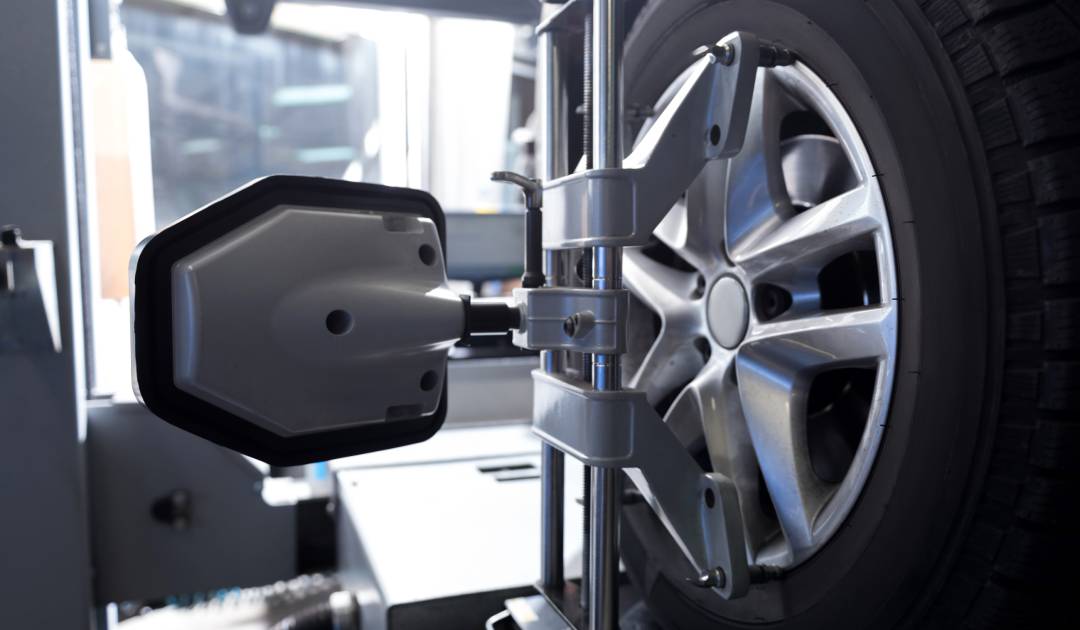
A wheel alignment is usually needed when the vehicle pulls to one side, the steering wheel sits off-centre while driving straight, or tyres are being worn unevenly. These signs can appear gradually; in many cases, they aren’t noticed until tyre wear becomes obvious. A quick inspection at a trusted local shop can confirm it.
Fast Facts
- Tyres that are out of alignment can wear out significantly faster, sometimes losing thousands of kilometres of tread life prematurely
- A single hard pothole strike is enough to knock alignment angles out of spec on most passenger vehicles
- Niagara Falls roads, especially after freeze-thaw cycles and road salt exposure, are particularly hard on suspension and alignment settings
- Wheel alignment and wheel balancing are two different services; one corrects angle, the other corrects weight distribution
- Most vehicles benefit from an alignment check at least once a year, or any time new tyres are installed
What Wheel Alignment Actually Means
Alignment refers to the angles at which tyres make contact with the road. Three main angles are involved: camber, toe, and caster. Each one affects how the vehicle tracks and handles, and how evenly the tyres are worn over time. When those angles drift outside the manufacturer’s specified range, the vehicle is considered out of alignment. That doesn’t mean the wheels are visibly crooked. In most cases, the deviation is subtle enough that it can’t be seen with the naked eye; the effects only show up gradually, in tyre wear patterns, fuel efficiency, and how the vehicle feels to drive.
The Pull: When Your Vehicle Drifts to One Side
One of the clearest signs is a pull. On a flat, straight road, a properly aligned vehicle should track forward without the wheel being fought by the driver. If there’s a constant drift to the left or right, that’s worth paying attention to. Now, a slight pull can sometimes be caused by tyre pressure differences, so that’s worth ruling out first. But if the tyres are properly inflated and the pull is still there, alignment is likely the issue. From what we’ve seen at Hawkeyes Automotive, this is often the symptom that finally brings people in, usually after weeks of quietly correcting for it without thinking much about it. Funny thing, really.
Steering Wheel That Sits Off-Centre
A crooked steering wheel is another reliable indicator. When the vehicle is going straight, the centre spoke or logo should sit level. If it’s tilted noticeably to one side, alignment is probably off. Some drivers barely register this because the adjustment gets made without thinking about it, bit by bit, until it just feels normal. But it’s the kind of thing that, once pointed out, becomes hard to ignore. A simple visual check takes about two seconds, and it’s one of the first things a Red Seal Certified technician will look at during an alignment inspection.
Uneven or Rapid Tyre Wear
Tyre wear patterns tell a story. Wear concentrated on the inner or outer edge of a tyre, rather than across the full tread surface, is commonly produced by misalignment. Camber issues, for example, tend to cause one-sided wear. Toe problems often show up as a feathered or scalloped pattern across the tread. If one tyre is being worn noticeably faster than the others, or if the wear looks uneven when you crouch down and look across the surface, an alignment check is worth getting. Replacing tyres prematurely because alignment was left unchecked is one of the more avoidable costs in vehicle ownership; that sounds obvious, but it catches a lot of people off guard.
Vibration in the Steering Wheel
Steering wheel vibration can have a few causes, and alignment is one of them. It’s not always the first culprit, since wheel balancing issues can produce a similar feeling. But if the vibration is accompanied by a pull or uneven tyre wear, alignment becomes more likely. The vibration tends to be felt at highway speeds, somewhere in the 90 to 110 km/h range for most vehicles. It can be easy to write off as road noise or a rough surface, especially on some of the older stretches of road around Niagara Falls. Worth having it looked at rather than assuming it’ll sort itself out, I suppose.
When Ontario Roads and Winters Make It Worse
Road conditions here are genuinely hard on alignment. Freeze-thaw cycles create potholes that appear quickly and run deep. Road salt, while necessary, accelerates corrosion on suspension components that affect how alignment is held over time. A vehicle that was aligned in the fall may be in a noticeably different state by spring, depending on what was hit over the winter. This is especially true for work trucks and SUVs that are driven daily through Niagara Falls and surrounding areas. Checking alignment after winter is a reasonable habit, not an upsell, and that’s usually where it clicks for people who’ve been putting it off.
Events That Should Trigger an Alignment Check
Certain events are known to affect alignment, regardless of how the vehicle feels afterward. Hitting a significant pothole or curb at speed is the most common. A minor collision, even one where no visible damage was caused, can shift suspension geometry. Installing new tyres is another good trigger point, since alignment affects how evenly those new tyres will be worn from day one. And if the vehicle has been in for suspension work, an alignment check should follow. These aren’t arbitrary recommendations; they’re based on what actually causes alignment to shift, and getting ahead of it is almost always less expensive than dealing with the wear that results from leaving it alone.
Getting It Checked Without the Dealership Markup
For drivers in Niagara Falls who are weighing their options, alignment checks and adjustments can be handled at a local independent shop at dealer-alternative rates, with upfront quotes and no unnecessary upsells. At Hawkeyes Automotive, alignment work is carried out by Red Seal Certified technicians who give a straight read on what’s needed and what isn’t. Quality work at a reasonable price is the standard here, not the exception. If any of the signs in this article sound familiar, the best next step is to have it looked at before tyre wear or handling issues get worse. Visit the Hawkeyes Automotive website to learn more or to get in touch during regular weekday business hours.
Mini-FAQ
Q: What’s the most common sign that a vehicle needs an alignment? A vehicle pulling to the left or right while driving on a flat, straight road is probably the most reported sign. It’s noticed when the steering wheel has to be held at an angle just to go straight. That kind of correction becomes second nature after a while, which is why it gets missed for so long.
Q: Does hitting a pothole actually knock alignment out? Fair point to question, because it sounds like an exaggeration. But yes, a single sharp impact, especially at speed, can shift the angles enough to cause measurable misalignment. It’s been seen plenty of times at the shop. Not every pothole does it, but the deep ones on Ontario roads in spring certainly can.
Q: Can bad alignment damage my tyres? Absolutely. Uneven tyre wear is one of the clearest signs that alignment has been off for a while. One edge of the tread gets worn down faster than the other. Tyres are a real cost, so letting alignment go unchecked tends to make that cost arrive sooner than it should.
Q: How often should alignment be checked? Once a year is a reasonable baseline for most drivers. That said, it’s also worth checking after any significant impact, after new tyres are put on, or if the vehicle has been in a minor collision. No hard rule fits every vehicle or every driver’s situation.
by SEOteam | Oct 1, 2026 | Blog
Professional attention is usually needed when clunking or knocking sounds are noticed over bumps, uneven tyre wear is observed, the vehicle pulls to one side, or the ride feels noticeably rougher than it used to; these signs are often caught during a routine inspection. Hawkeyes Automotive can take a look, so visit the website to book a time that works for you.
Fast Facts
- Suspension systems are made up of more than a dozen components, including shocks, struts, ball joints, tie rods, and control arm bushings, and any one of them can wear out independently.
- Worn shocks and struts can increase stopping distance by up to 20%, according to general automotive safety data.
- Ontario’s freeze-thaw cycle and road salt are known to accelerate corrosion on suspension parts, particularly on vehicles that see regular winter driving in the Niagara region.
- Uneven tyre wear is one of the most commonly overlooked early indicators of suspension or alignment issues.
- Many suspension problems are caught during unrelated service visits, like oil changes or tyre rotations, which is why regular maintenance appointments matter.
What Your Suspension Actually Does
Suspension doesn’t get much thought until something goes wrong. But a lot of work is being done by that system on every single drive. Your tyres are kept in contact with the road, impact from bumps and rough surfaces is absorbed, and steering control is maintained, all at once. Without those functions working properly, handling gets unpredictable and stopping distances can increase. It’s not just about ride comfort, though that matters too. It’s about whether your vehicle responds the way it should when you actually need it to.
The Clunking or Knocking Sound You Keep Hearing
That sound over bumps probably isn’t going away on its own. Clunking, knocking, or rattling noises on rough pavement are among the more common early signs of suspension trouble, and they’re often caused by worn ball joints, loose sway bar end links, or deteriorating strut mounts. The tricky part is that these sounds can be easy to dismiss, especially if they only show up occasionally. In most cases, though, the noise gets more frequent before the component actually fails; so it’s worth getting looked at sooner rather than later.
When Your Ride Starts Feeling Rougher Than Usual
There’s a difference between a road that’s rough and a vehicle that’s making every road feel rough. Over time, worn shocks or struts lose their ability to dampen road impact, and the result is a ride that feels bouncy, floaty, or just generally less controlled. It tends to happen bit by bit, so it’s not always noticed until a different vehicle is driven and the contrast becomes obvious. From what we’ve seen, a lot of drivers in Niagara Falls are running on shocks well past their useful life, especially on higher-mileage work trucks and SUVs.
Pulling to One Side While Driving
A vehicle that consistently drifts or pulls to one side isn’t just an alignment issue, though alignment is often part of it. The same symptom can be caused by worn tie rods, a collapsed control arm bushing, or uneven strut wear. And if a suspension component is the root cause, realigning the tyres won’t fix the pull for long; the alignment will just drift again. So if pulling continues even after an alignment was recently done, that’s a signal something underneath needs a closer look. Interesting how that works, really.
Uneven Tyre Wear Is Worth Taking Seriously
Tyre wear patterns tell a story. Cupping, scalloping, or wear that’s heavier on one side of the tread than the other is often tied to suspension problems rather than the tyres themselves. When shocks or struts aren’t doing their job, the tyre bounces slightly with each rotation instead of maintaining consistent contact with the road, and that bouncing creates uneven wear. Replacing tyres without the underlying suspension issue being addressed just means the new set will wear out the same way. It’s one of those things that ends up costing more when it isn’t caught early.
What Ontario Winters Do to Suspension Components
Road salt is hard on a lot of things, and suspension parts are near the top of that list. The combination of moisture, salt brine, and freeze-thaw cycling that comes with Niagara Falls winters accelerates corrosion on metal components, particularly on older vehicles or those that haven’t had regular undercarriage maintenance. Ball joints, tie rod ends, and control arm hardware are all vulnerable to this; rubber bushings can also crack and harden faster in cold climates. Vehicles that have been through several Ontario winters without a suspension inspection are often carrying more wear than their owners realize. Anyway, that’s usually where it clicks for people.
Why a Dealership Isn’t Your Only Option
Getting suspension work done doesn’t have to mean a dealership bill. Red Seal certified expertise and local shop trust means the same level of diagnostic skill is being applied, without the inflated labour rates. At Hawkeyes Automotive, suspension inspections are handled properly, with upfront quotes and no unnecessary upsells. The goal is to tell you what’s actually wrong and what it’ll take to fix it, not to pad a repair order. Quality work at a reasonable price is something a lot of Niagara Falls drivers have come to expect from a shop they trust.
When to Book an Inspection
If any of the signs above sound familiar, the right move is to get it checked before the problem compounds. Suspension wear doesn’t usually fix itself, and in many cases, one failed component puts added stress on the parts around it. Hawkeyes Automotive serves everyday drivers, families, and tradespeople across Niagara Falls, ON, and the shop is open Monday through Friday for inspections and repairs. No hidden fees, no unnecessary upsells, just a straight answer about what your vehicle needs. Visit the website to learn more or to get in touch with the team.
Mini-FAQ
Q: How do I know if it’s my suspension making that clunking noise, or something else?
Look, clunking or knocking sounds over bumps are among the more telling signs, but they’re not always easy to trace on your own. The noise could be coming from a worn ball joint, a loose sway bar link, or a strut that’s seen better days. A proper inspection is really the only reliable way to pinpoint where it’s coming from. Not always obvious from the driver’s seat.
Q: Can I keep driving if my suspension feels a bit off?
Fair point to ask, and the honest answer is: it depends on how off it actually feels. Minor roughness might not be an immediate safety crisis, but a vehicle that’s pulling hard, bottoming out, or being handled unpredictably is a different story. Steering and stopping are both affected by suspension condition, so this isn’t something that should be put off for long. The longer it’s left, the more likely secondary damage gets added to the bill.
Q: Does road salt in Niagara Falls actually damage suspension parts?
This one catches a lot of people off guard. Salt brine used on Ontario roads during winter works its way into joints, bushings, and mounting hardware over time, and corrosion can cause parts to seize or fail faster than they otherwise would. Vehicles that spend years in this climate tend to show suspension wear earlier than those kept in drier regions.
Q: What’s the difference between a suspension check and an alignment?
They’re related but not the same thing. An alignment adjusts the angles of your tyres relative to the road and to each other, while a suspension inspection looks at the physical condition of the components doing the supporting and steering. In many cases, a worn suspension part is what’s causing the alignment to drift in the first place, so both are worth checking together.
by SEOteam | Oct 1, 2026 | Blog
Steering wheel vibration is usually caused by unbalanced or worn tyres, brake rotor issues, loose wheel components, or worn suspension parts. The cause often depends on when the vibration happens; at highway speeds it’s commonly a balance issue, while braking-related shaking often points to rotors. A proper inspection will confirm it.
Fast Facts
- Tyre imbalance is one of the most frequently diagnosed causes of steering wheel vibration, often detectable at speeds above 90 km/h
- Brake rotor warping can cause a pulsing sensation specifically when the brakes are applied, not during regular driving
- Ontario road salt and freeze-thaw cycles accelerate wear on suspension components, which can contribute to vibration over time
- A single bent wheel rim, sometimes caused by a pothole, is enough to produce noticeable shimmy at moderate speeds
- Wheel bearing failure tends to produce a vibration that worsens with speed and may be accompanied by a low humming noise
What the Vibration Is Actually Telling You
A vibrating steering wheel isn’t random. Mechanical feedback is being passed up through the steering column by the vehicle itself, and that feedback usually has a specific source. The tricky part is that several different problems can produce a similar sensation at the wheel. Tyre issues, brake problems, worn suspension parts, and even a bent rim can all feel roughly the same to the driver. What changes is the pattern: when it happens, how fast it gets worse, and whether it’s constant or only appears under braking. Those details, if they’re noted before the vehicle is brought in, tend to make the diagnosis faster and more accurate.
Tyre Balance and Wheel Runout
Probably the most common cause, and often the easiest to address. When a tyre is out of balance, even by a small amount, a rhythmic wobble is created that travels up through the steering. This is typically felt at highway speeds, somewhere above 90 km/h, and may smooth out at lower speeds. Wheel runout, where the tyre or rim isn’t perfectly round, produces a similar feeling. Both are diagnosed on a balancing machine. In many cases, a simple rebalance is all that’s needed; though if the rim itself is bent, usually from a pothole, the tyre will need to be remounted on a straight wheel first.
Brake Rotors and Pedal Pulsation
Worth making a distinction here. If the vibration only appears when the brake pedal is pressed, the tyres probably aren’t the issue. Warped or unevenly worn brake rotors cause the pads to grab inconsistently, which sends a pulsing sensation through the pedal and sometimes up into the steering wheel. It’s a different feel from a tyre shimmy, though not everyone notices the difference right away. Rotors can be warped by heat cycling, aggressive braking, or simply age. This is one of those repairs that tends to get put off, but stopping distance is directly affected by it. Worth addressing sooner rather than later.
Suspension and Steering Components
Worn tie rod ends, ball joints, and control arm bushings are all capable of producing steering vibration, particularly at lower speeds or over uneven pavement. These components are part of what keeps the wheel pointed where it’s intended to go. When they wear out, play develops in the system, and that play translates to looseness or shimmy at the wheel. In Niagara Falls, road salt exposure accelerates corrosion and wear on these parts, especially on vehicles that have been through several Ontario winters. A visual inspection of the front-end components can usually identify the problem, though some wear is only confirmed by feel during a road test.
Wheel Bearings: The One People Often Miss
Wheel bearing failure is sometimes mistaken for a tyre issue, and understandably so. The vibration tends to increase with speed and can feel like a general hum or wobble rather than a distinct shimmy. What sets it apart is that a low droning noise is often heard alongside it, and in some cases the vibration shifts slightly when the steering is turned. Left long enough, a failing wheel bearing can affect handling in ways that go beyond discomfort. It’s one of those components that doesn’t give much warning before it becomes a real problem; over time the wear just compounds quietly, I suppose. Catching it early is the better outcome, by a fair margin.
Engine and Drivetrain Sources
Not all steering vibration comes from the wheels or brakes. In some vehicles, particularly front-wheel-drive cars and trucks with high mileage, worn CV axles or motor mounts can transmit vibration through the drivetrain and into the steering column. This type of vibration is often felt at lower speeds or during acceleration, rather than at a steady cruise. A clicking sound during tight turns may also be produced by a worn CV joint. Motor mount issues tend to produce more of a shudder at idle or under load. Both are worth checking if the wheel-end components come back clean; that’s usually where things start to make sense when the obvious causes have been ruled out.
Why Niagara Falls Roads Make This Worse
Local driving conditions do play a role here. The combination of freeze-thaw cycles, road salt, and pothole-heavy roads puts more stress on tyres, wheels, and suspension than many drivers account for. A tyre that’s holding up fine in milder conditions may show balance issues after a rough winter. Suspension bushings that are borderline worn can deteriorate faster when they’re being exposed to road salt and temperature swings. From what we’ve seen locally, vehicles that aren’t getting regular inspections tend to accumulate several of these issues at once, which makes the vibration harder to pin down without a proper look underneath. That sounds manageable on paper, but in practice it means the diagnosis takes longer and the repair list gets longer with it.
Getting It Diagnosed Without the Runaround
If your steering wheel has been vibrating and you’re not sure where to start, a straightforward inspection is the right first step. At Hawkeyes Automotive in Niagara Falls, the approach is simple: find out what’s actually causing the problem, explain it clearly, and an upfront quote is provided before any work begins. No hidden fees, no unnecessary upsells. Red Seal certified expertise, local shop trust. Whether it’s a tyre balance, a brake job, or something in the front end, the goal is an honest answer and quality work at a reasonable price. To book an inspection or learn more about what’s covered, visit the Hawkeyes Automotive website.
Mini-FAQ
Q: Is it safe to keep driving if my steering wheel is vibrating?
Depends on the cause, and that’s the problem. Some causes, like a slightly unbalanced tyre, are considered low-risk in the short term. Others, like a failing wheel bearing or loose hub components, can become serious fairly quickly. Not something to leave unchecked for weeks.
Q: Does steering wheel vibration always mean I need new tyres?
Fair point, and no, it doesn’t. Tyres are often the first thing people assume, but vibration can be traced to brake rotors, worn tie rod ends, or suspension components just as easily. The tyres might be fine. A proper diagnosis is the only way to know for certain.
Q: Why does my steering wheel only shake at high speeds?
Speed-specific vibration is a pretty reliable indicator of tyre balance or wheel runout issues. When a tyre is even slightly out of balance, the effect becomes more pronounced as rotational speed increases. Below 60 or 70 km/h, it’s often not felt at all. The imbalance is usually measured in grams, which is surprisingly small.
Q: Can cold weather make steering wheel vibration worse?
Tyre pressure drops in cold temperatures, and when pressure is lost, balance and handling feel can both be thrown off. In Niagara Falls winters, road salt and ice are also known to build up inside the wheel, which can temporarily unbalance a tyre until it clears. Suspension components already worn from summer use tend to feel worse once temperatures drop.
by SEOteam | Oct 1, 2026 | Blog
Routine maintenance helps your vehicle last longer by catching small problems before they become expensive ones; oil changes, brake checks, and fluid top-ups are usually the difference between a vehicle that runs well at 200,000 kilometres and one that doesn’t make it there. Hawkeyes Automotive in Niagara Falls, ON, can help you stay on schedule.
Fast Facts
- Vehicles that follow a regular maintenance schedule can last well beyond 250,000 kilometres, depending on driving habits and conditions
- Road salt used on Ontario roads during winter accelerates corrosion on brake lines, exhaust systems, and undercarriage components
- Engine oil that goes unchanged too long breaks down and loses its ability to protect moving parts, which speeds up wear
- A single missed coolant flush can contribute to overheating damage that costs far more to repair than the flush itself
- Tire rotations help tires wear evenly, which extends their usable life and improves handling in wet or icy conditions
Why Maintenance Is About Prevention, Not Reaction
There’s a tendency to bring a vehicle in only when something feels wrong. A noise, a warning light, a pull to one side. But by that point, the problem has usually been developing for a while, quietly, in the background. Routine maintenance is built around the opposite idea: problems are caught before they become symptoms. Oil changes, for instance, aren’t just about keeping the engine lubricated today; they’re about protecting components that would otherwise be worn down gradually over thousands of kilometres. From what we’ve seen, vehicles that are brought in regularly for basic services tend to need far fewer emergency repairs over time. It’s not complicated, I suppose. It’s just consistent.
Oil Changes: Still the Most Important Service You Can Do
It sounds basic, and it is. But an oil change is probably the single highest-return maintenance item on the list, by a fair margin. Fresh oil lubricates, cools, and cleans internal engine components. Old oil does none of those things well; it thickens, loses viscosity, and sludge gets left behind in passages that need to stay clear. For drivers putting in regular kilometres around Niagara Falls, whether that’s a daily commute, a work truck doing site runs, or a family SUV logging highway trips, staying on an oil change schedule matters. Dealer-alternative rates and upfront quotes make it easier to stay consistent without second-guessing the cost, which helps, day by day.
Brakes, Fluids, and the Things People Forget
Brake fluid absorbs moisture over time. That’s just how it works. And as moisture builds up, the boiling point of the fluid is gradually lowered, which can affect braking performance in hard-stop situations. Coolant, transmission fluid, and power steering fluid all have service intervals too, and they’re all easy to overlook when nothing seems wrong. That sounds reasonable on paper, but the consequences of skipping them tend to show up later, and at the worst times. A coolant flush that gets pushed back for a season or two, maybe two and a half, can quietly set the stage for an overheating issue down the road. Small services. Real consequences when they’re missed.
What Ontario Winters Do to a Vehicle
Road salt is used heavily across the Niagara region from roughly November through March, sometimes longer. It does its job on ice and snow, but corrosion is also accelerated on brake lines, exhaust components, and the undercarriage in ways that aren’t always visible until something fails. Rubber seals and hoses take a beating from freeze-thaw cycles too. A pre-winter inspection is a practical way to make sure the vehicle is ready before the worst of it hits; and a post-winter check, once the salt season winds down, is a good time to catch anything that got worn or corroded over the cold months. Both are worth doing, and both tend to be overlooked.
Tires and Alignment: More Connected Than They Seem
When alignment is off, tires wear unevenly, and that uneven wear shortens their life faster than most people expect. A tire that could have lasted another two seasons gets worn out on one edge and needs replacing early. Wear is distributed more evenly across all four tires when rotations are done on schedule, which extends their usable life and keeps handling predictable. In wet or icy conditions, that matters quite a bit. For drivers in Niagara Falls looking for reliable places to buy tires and get alignment checked, finding a shop that handles both under one roof saves time and avoids the back-and-forth. Anyway, that’s usually where it clicks for people who’ve been putting off the rotation.
The Real Cost of Skipping Maintenance
It’s tempting to push services back when things seem fine. But deferred maintenance tends to compound, bit by bit. A belt that should have been replaced at 100,000 kilometres and wasn’t can snap at 115,000 and take other components with it. A brake pad that was borderline at the last inspection and never got replaced can wear through to metal and damage the rotor. In most cases, the repair bill for a neglected item is several times higher than the service that would have prevented it. Quality work at a reasonable price is a fair trade when the alternative is a much larger, unplanned expense; and one that usually comes at the worst possible time.
How Red Seal Certified Expertise Changes the Equation
Not every shop has the same level of training behind the work. Red Seal certification is the national standard for skilled trades in Canada, and it means a rigorous, standardized level of competency has been met by the mechanic working on your vehicle. At Hawkeyes Automotive, that credential is part of how the work gets done, not just how the shop is described. For out-of-warranty vehicles especially, having someone who actually knows the systems, rather than someone following a checklist, makes a real difference. Diagnostics are more accurate. Recommendations are more honest. And in most cases, to be fair, the work is done right the first time.
Keeping Your Vehicle on the Road Longer, Starting Now
A vehicle that’s well maintained doesn’t just last longer. It’s also safer, more predictable, and far less likely to leave someone stranded on the QEW in January. For everyday commuters, families, and tradespeople in Niagara Falls who depend on their vehicles, that reliability isn’t a luxury. It’s the whole point. Straightforward maintenance services are offered at Hawkeyes Automotive with no hidden fees, no unnecessary upsells, and upfront quotes before any work begins. Red Seal certified expertise, local shop trust. If you’re ready to get your vehicle on a proper maintenance schedule, visit the website at hawkeyesauto.com to learn more or get in touch during regular weekday business hours.
Mini-FAQ
Q: How often should I bring my vehicle in for routine maintenance?
Look, it depends on the vehicle and how it’s driven. Most manufacturers recommend an oil change every 5,000 to 8,000 kilometres, though some newer synthetic-oil vehicles can go longer. Fluid checks, tire rotations, and brake inspections are typically recommended at least once or twice a year. A maintenance schedule is usually outlined in your owner’s manual. Worth checking.
Q: Does routine maintenance really make a difference for older, out-of-warranty vehicles?
Fair point to raise, and the honest answer is yes, probably more so than for newer ones. Out-of-warranty vehicles don’t have the same safety net, so staying on top of maintenance is really the only buffer between a minor fix and a major breakdown. Wear items like belts, hoses, and brake pads tend to degrade faster once a vehicle gets past a certain age. Catching them early is almost always cheaper.
Q: What happens if I skip oil changes for a while?
This is one of the most common things we hear about after the fact. When oil isn’t changed regularly, it thickens, loses its lubricating properties, and deposits are left behind on engine components. Over time, those deposits can restrict oil flow and cause serious internal damage. The engine doesn’t fail all at once, usually. It just wears out faster than it should have.
Q: Is winter driving in Ontario harder on vehicles than other seasons?
It is, and it’s not particularly close. Road salt is applied heavily throughout the Niagara region from late fall through early spring, and that salt finds its way into brake lines, wheel wells, and the undercarriage. Freeze-thaw cycles also stress rubber components, seals, and tires. A pre-winter inspection and a post-winter check are both considered good practice here. Not optional, really.