
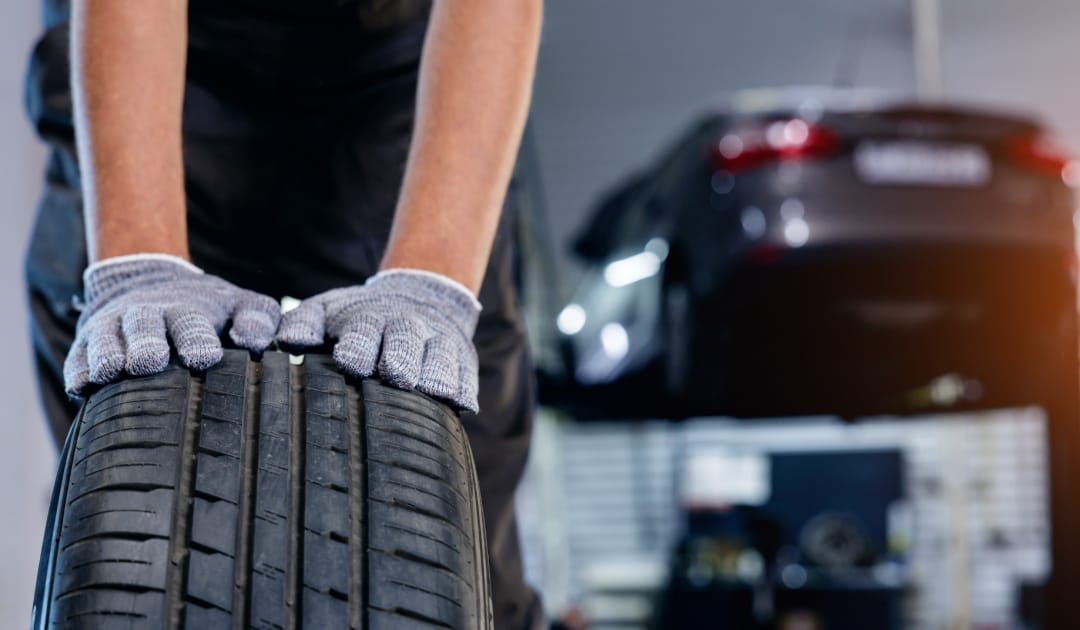
Uneven tire wear is usually caused by incorrect tyre pressure, misaligned wheels, worn suspension components, or infrequent tyre rotations; any one of these can create irregular contact between the tyre and the road. Preventing it comes down to regular checks and catching small issues early. Hawkeyes Automotive can help you sort it out, visit the website to learn more.
Fast Facts
- Tyres should generally be rotated every 8,000 to 12,000 kilometres to prevent uneven wear patterns from setting in
- Wheel alignment that’s off by even a fraction of a degree can cause the inner or outer tread to wear significantly faster than the rest
- Ontario’s freeze-thaw cycles and road salt are known to accelerate suspension wear, which directly affects how evenly your tyres contact the road
- Under-inflated tyres wear fastest on the outer edges; over-inflated tyres wear down the centre strip first
- Ignoring uneven wear long enough can affect braking distance and handling, not just tyre lifespan
Why Tyre Wear Patterns Matter
Tyre wear isn’t random. Each pattern that appears on a tyre, whether it’s worn edges, a worn centre strip, cupping, or feathering, is pointing at something specific. Mechanics read these patterns the way a doctor reads symptoms. The tyre itself is fine; it’s the conditions it’s been operating under that cause the problem. And in many cases, catching the pattern early means a relatively minor issue gets fixed before it turns into a suspension repair or a full set of new tyres. Worth a look every few weeks.
The Role of Tyre Pressure
Incorrect tyre pressure is probably the most common cause of uneven wear, and it’s also the easiest to address. Under-inflation puts too much load on the outer edges of the tread, wearing them down faster than the centre. Over-inflation does the opposite, pushing more weight onto the centre strip while the edges are left relatively untouched. Both conditions reduce the tyre’s contact patch with the road, which affects grip and braking. Ontario winters make this worse, since cold air causes pressure to drop, sometimes by several PSI overnight. Checking pressure monthly is a straightforward habit that pays off, bit by bit.
Wheel Alignment and What Happens When It’s Off
A lot of the one-sided wear patterns mechanics see are traced back to alignment problems. When the wheels aren’t properly aligned, the tyre rolls at a slight angle instead of straight ahead. That angle creates constant friction on one edge of the tread. Over thousands of kilometres, that edge gets worn down noticeably faster than the other side. Roads in Niagara Falls, ON take a beating through freeze-thaw cycles every year, and a bad pothole or curb can knock alignment out without the driver feeling much of anything at the time. An annual alignment check is generally a reasonable precaution; that sounds simple enough, and in practice it usually is.
Suspension Wear and Its Effect on Tyres
Worn suspension components, things like ball joints, tie rod ends, or shock absorbers, allow wheels to move in ways they shouldn’t. That irregular movement gets translated directly into irregular tyre contact with the road. Cupping, also called scalloping, is a common result: a wavy, uneven surface develops across the tread because the tyre is bouncing slightly rather than rolling smoothly. This pattern is often picked up during a routine inspection before the driver notices anything at all. From what we’ve seen, suspension wear tends to be accelerated in vehicles driven on rougher roads or those carrying heavier loads regularly, which is worth keeping in mind for work trucks and SUVs. In a way, the tyre is just the messenger.
Why Tyre Rotation Gets Skipped (And Why It Shouldn’t)
Rotation is one of those maintenance items that tends to get pushed back. It doesn’t feel urgent. But front and rear tyres wear at different rates depending on the vehicle’s drivetrain and how braking load is distributed. Without rotation, the front tyres on a front-wheel-drive vehicle can wear down significantly faster than the rears. When they’re rotated on a regular schedule, that wear gets spread more evenly across all four tyres, extending their overall lifespan. It’s a low-cost service that’s easy to pair with an oil change. Anyway, that’s usually where it clicks for people, when they see how much tread difference has built up between axles.
How Ontario Driving Conditions Make Things Worse
Road salt, temperature swings, and rough pavement are a consistent reality for drivers in Niagara Falls, ON. Suspension and steering components are corroded faster by salt, which can quietly affect how well those parts hold alignment and absorb road impact. Freeze-thaw cycles create potholes that appear fast and hit hard. Winter tyres help with traction, but they also wear differently than all-seasons, and mixing worn winters with newer all-seasons creates its own set of problems. Seasonal tyre swaps are a good opportunity to have the whole setup inspected, not just the tyres themselves. To be fair, most people don’t think about that part until something feels off.
What You Can Do to Prevent Uneven Wear
Prevention comes down to a few consistent habits. Tyre pressure should be checked monthly, including the spare. Rotation is recommended every 8,000 to 12,000 kilometres, or as specified for your vehicle. Alignment should be checked once a year or after any significant impact. And it’s worth paying attention to how the vehicle feels: pulling to one side, vibration through the steering wheel, or a rougher ride than usual are all signals worth acting on. These aren’t complicated things. They’re the kind of checks that keep a vehicle running longer without unexpected costs. No hidden fees, no unnecessary upsells, just straightforward maintenance done right.
Getting It Checked at Hawkeyes Automotive
If uneven wear has been noticed, or if it’s simply been a while since the tyres were looked at properly, Hawkeyes Automotive in Niagara Falls, ON is a practical option. The shop is Red Seal certified, which is the official Canadian standard for automotive expertise, and the approach is straightforward: upfront quotes, honest assessments, and reasonable pricing that doesn’t require a dealership budget. Whether it’s a tyre inspection, an alignment check, or a full look at the suspension, the work gets done without the runaround. Visit the website at hawkeyesauto.com to learn more or to get in touch during regular weekday business hours.
Mini-FAQ
Q: How do I know if my tyres are wearing unevenly? The tread should be checked across the full width of each tyre. If one edge is noticeably more worn than the other, or if patches of smooth rubber are mixed in with deeper tread, that’s uneven wear. All four tyres are worth checking, not just the fronts. A visual pass every month or so is usually enough to catch it early. Easy to overlook, honestly.
Q: Can low tyre pressure really cause that much damage? Fair point to question it, but yes. When a tyre is under-inflated, the sidewalls flex more than they should, and the outer edges end up carrying most of the load. Over time, those edges wear down faster than the centre. The tyre might look fine at a glance, but the wear is already happening.
Q: Does wheel alignment affect tyre wear that much? It’s one of the biggest factors. When wheels aren’t pointing in the right direction, the tyre is essentially being dragged slightly sideways as it rolls. That creates what’s called feathering or one-sided wear. It’s caused by the geometry being off, not the tyre itself. Getting alignment checked once a year, or after hitting a significant pothole, is generally a good idea.
Q: Is tyre rotation really necessary if I don’t drive that many kilometres? Look, even lower-mileage drivers benefit from rotation. Front tyres on most vehicles handle steering and a larger share of braking, so they wear faster regardless of total distance. Rotating them moves that stress around. Skipping it for too long means replacing tyres sooner than you’d need to otherwise. Not a complicated fix, just easy to put off.