
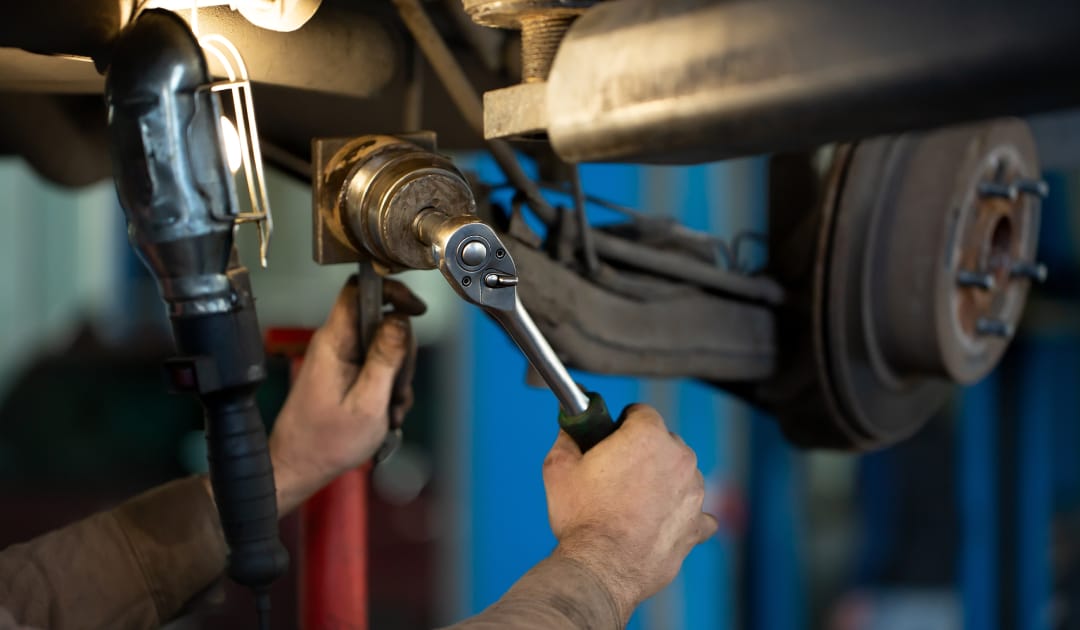
Professional attention is usually needed when clunking or knocking sounds are noticed over bumps, uneven tyre wear is observed, the vehicle pulls to one side, or the ride feels noticeably rougher than it used to; these signs are often caught during a routine inspection. Hawkeyes Automotive can take a look, so visit the website to book a time that works for you.
Fast Facts
- Suspension systems are made up of more than a dozen components, including shocks, struts, ball joints, tie rods, and control arm bushings, and any one of them can wear out independently.
- Worn shocks and struts can increase stopping distance by up to 20%, according to general automotive safety data.
- Ontario’s freeze-thaw cycle and road salt are known to accelerate corrosion on suspension parts, particularly on vehicles that see regular winter driving in the Niagara region.
- Uneven tyre wear is one of the most commonly overlooked early indicators of suspension or alignment issues.
- Many suspension problems are caught during unrelated service visits, like oil changes or tyre rotations, which is why regular maintenance appointments matter.
What Your Suspension Actually Does
Suspension doesn’t get much thought until something goes wrong. But a lot of work is being done by that system on every single drive. Your tyres are kept in contact with the road, impact from bumps and rough surfaces is absorbed, and steering control is maintained, all at once. Without those functions working properly, handling gets unpredictable and stopping distances can increase. It’s not just about ride comfort, though that matters too. It’s about whether your vehicle responds the way it should when you actually need it to.
The Clunking or Knocking Sound You Keep Hearing
That sound over bumps probably isn’t going away on its own. Clunking, knocking, or rattling noises on rough pavement are among the more common early signs of suspension trouble, and they’re often caused by worn ball joints, loose sway bar end links, or deteriorating strut mounts. The tricky part is that these sounds can be easy to dismiss, especially if they only show up occasionally. In most cases, though, the noise gets more frequent before the component actually fails; so it’s worth getting looked at sooner rather than later.
When Your Ride Starts Feeling Rougher Than Usual
There’s a difference between a road that’s rough and a vehicle that’s making every road feel rough. Over time, worn shocks or struts lose their ability to dampen road impact, and the result is a ride that feels bouncy, floaty, or just generally less controlled. It tends to happen bit by bit, so it’s not always noticed until a different vehicle is driven and the contrast becomes obvious. From what we’ve seen, a lot of drivers in Niagara Falls are running on shocks well past their useful life, especially on higher-mileage work trucks and SUVs.
Pulling to One Side While Driving
A vehicle that consistently drifts or pulls to one side isn’t just an alignment issue, though alignment is often part of it. The same symptom can be caused by worn tie rods, a collapsed control arm bushing, or uneven strut wear. And if a suspension component is the root cause, realigning the tyres won’t fix the pull for long; the alignment will just drift again. So if pulling continues even after an alignment was recently done, that’s a signal something underneath needs a closer look. Interesting how that works, really.
Uneven Tyre Wear Is Worth Taking Seriously
Tyre wear patterns tell a story. Cupping, scalloping, or wear that’s heavier on one side of the tread than the other is often tied to suspension problems rather than the tyres themselves. When shocks or struts aren’t doing their job, the tyre bounces slightly with each rotation instead of maintaining consistent contact with the road, and that bouncing creates uneven wear. Replacing tyres without the underlying suspension issue being addressed just means the new set will wear out the same way. It’s one of those things that ends up costing more when it isn’t caught early.
What Ontario Winters Do to Suspension Components
Road salt is hard on a lot of things, and suspension parts are near the top of that list. The combination of moisture, salt brine, and freeze-thaw cycling that comes with Niagara Falls winters accelerates corrosion on metal components, particularly on older vehicles or those that haven’t had regular undercarriage maintenance. Ball joints, tie rod ends, and control arm hardware are all vulnerable to this; rubber bushings can also crack and harden faster in cold climates. Vehicles that have been through several Ontario winters without a suspension inspection are often carrying more wear than their owners realize. Anyway, that’s usually where it clicks for people.
Why a Dealership Isn’t Your Only Option
Getting suspension work done doesn’t have to mean a dealership bill. Red Seal certified expertise and local shop trust means the same level of diagnostic skill is being applied, without the inflated labour rates. At Hawkeyes Automotive, suspension inspections are handled properly, with upfront quotes and no unnecessary upsells. The goal is to tell you what’s actually wrong and what it’ll take to fix it, not to pad a repair order. Quality work at a reasonable price is something a lot of Niagara Falls drivers have come to expect from a shop they trust.
When to Book an Inspection
If any of the signs above sound familiar, the right move is to get it checked before the problem compounds. Suspension wear doesn’t usually fix itself, and in many cases, one failed component puts added stress on the parts around it. Hawkeyes Automotive serves everyday drivers, families, and tradespeople across Niagara Falls, ON, and the shop is open Monday through Friday for inspections and repairs. No hidden fees, no unnecessary upsells, just a straight answer about what your vehicle needs. Visit the website to learn more or to get in touch with the team.
Mini-FAQ
Q: How do I know if it’s my suspension making that clunking noise, or something else?
Look, clunking or knocking sounds over bumps are among the more telling signs, but they’re not always easy to trace on your own. The noise could be coming from a worn ball joint, a loose sway bar link, or a strut that’s seen better days. A proper inspection is really the only reliable way to pinpoint where it’s coming from. Not always obvious from the driver’s seat.
Q: Can I keep driving if my suspension feels a bit off?
Fair point to ask, and the honest answer is: it depends on how off it actually feels. Minor roughness might not be an immediate safety crisis, but a vehicle that’s pulling hard, bottoming out, or being handled unpredictably is a different story. Steering and stopping are both affected by suspension condition, so this isn’t something that should be put off for long. The longer it’s left, the more likely secondary damage gets added to the bill.
Q: Does road salt in Niagara Falls actually damage suspension parts?
This one catches a lot of people off guard. Salt brine used on Ontario roads during winter works its way into joints, bushings, and mounting hardware over time, and corrosion can cause parts to seize or fail faster than they otherwise would. Vehicles that spend years in this climate tend to show suspension wear earlier than those kept in drier regions.
Q: What’s the difference between a suspension check and an alignment?
They’re related but not the same thing. An alignment adjusts the angles of your tyres relative to the road and to each other, while a suspension inspection looks at the physical condition of the components doing the supporting and steering. In many cases, a worn suspension part is what’s causing the alignment to drift in the first place, so both are worth checking together.