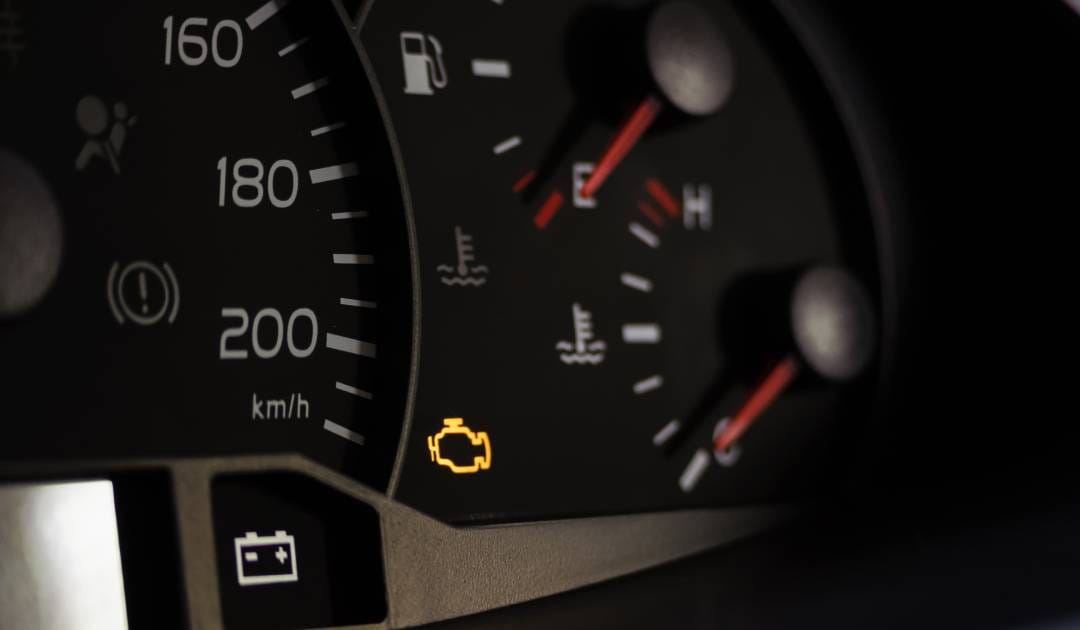
The check engine light usually comes on when your vehicle’s onboard diagnostic system detects a fault in the engine, emissions, or fuel system; common triggers include a loose gas cap, a faulty oxygen sensor, misfiring cylinders, or a failing catalytic converter. In many cases, a proper diagnostic scan is needed to pinpoint the exact cause. Hawkeyes Automotive can help with that.
Fast Facts
- Modern vehicles monitor over 200 potential fault conditions through their onboard diagnostic (OBD-II) system, any one of which can trigger the check engine light
- A loose or missing gas cap is one of the most frequently overlooked causes, and it can be resolved in seconds
- A flashing check engine light is generally more urgent than a steady one, often pointing to an active engine misfire
- Oxygen sensor failures are among the most common check engine triggers in vehicles with higher mileage
- In Niagara Falls, ON, road salt and winter conditions can accelerate corrosion on sensors and exhaust components, making check engine issues more common than in milder climates
How the Check Engine Light Actually Works
Your vehicle’s onboard diagnostic system, commonly called OBD-II, runs continuously in the background while you drive. Data is sent to the engine control module by sensors throughout the engine, exhaust, and fuel system. When a reading falls outside the accepted range, a diagnostic trouble code is stored and the check engine light is triggered. It’s not a single sensor doing one job; it’s a network of components all reporting back to a central system. So when that light comes on, something in that network is being flagged as needing a closer look.
The Most Common Causes, Ranked by Frequency
From what we’ve seen at the shop, a handful of issues account for the majority of check engine lights. A loose or faulty gas cap sits near the top of the list, since fuel vapour pressure in the system is affected when the seal isn’t right. Oxygen sensors are another frequent culprit, especially in higher-mileage vehicles. Spark plugs and ignition coils come up regularly too, particularly in vehicles where routine maintenance hasn’t been kept up. Catalytic converter failures tend to show up later in a vehicle’s life, and mass airflow sensor faults are more common than people expect. None of these are rare. Most are fixable without breaking the bank.
When the Light Is Urgent vs. When It Can Wait
Not every check engine light is a crisis. A steady amber light generally means a fault has been recorded, but the vehicle is still running within a range the system considers stable. It should be checked, though it’s not usually a reason to pull over immediately. A flashing light is treated differently. That typically points to an active misfire, where unburned fuel is being pushed into the exhaust; the catalytic converter can be damaged fairly quickly in that scenario. Getting the vehicle off the road and diagnosed sooner rather than later is the right call. The difference between steady and flashing, to be fair, is worth knowing.
How Ontario Winters Make This Worse
Vehicles in Niagara Falls, ON take a harder hit from the environment than drivers in milder climates might expect. Road salt is corrosive, and over time it works on wiring harnesses, sensor connections, and exhaust components in ways that aren’t always visible. An oxygen sensor that’s been exposed to several Ontario winters may start giving inaccurate readings before it fails outright. Rust on exhaust components can affect how the catalytic converter performs. Even wheel speed sensors can be compromised by salt and moisture, bit by bit, before any obvious symptoms appear. It’s one of those regional realities that tends to show up as a check engine light before it shows up as anything more dramatic.
The Gas Cap Situation (It’s More Common Than You’d Think)
A loose gas cap is probably the most anticlimactic check engine trigger there is. The fuel system is designed to be sealed, and fuel vapour pressure is monitored by the OBD-II system as part of its emissions checks. If the cap isn’t seated properly, pressure drops and a code gets stored. The fix takes about three seconds. That sounds good on paper, but the light won’t go off immediately after the cap is tightened; the system needs to run through a few drive cycles before it clears. So if the light comes on shortly after a fill-up, that’s the first thing worth checking before anything more serious is assumed. That’s usually where it clicks for most people.
What a Diagnostic Scan Actually Tells You
Plugging in an OBD-II scanner gives you a trouble code, but the code is a starting point, not a final answer. A code like P0420, for example, points to catalyst system efficiency below threshold, which could mean a failing catalytic converter, a bad oxygen sensor, or an exhaust leak affecting the readings. Interpreting the code correctly takes experience and, in many cases, additional testing. That’s why a proper diagnostic involves more than just reading a number off a scanner. The vehicle’s history, mileage, and symptoms will all be cross-referenced by a trained mechanic before a repair is recommended. No hidden fees, no unnecessary upsells; just a clear explanation of what the code means and what the actual fix looks like.
Why Ignoring It Tends to Cost More Later
Leaving a check engine light unaddressed is one of those things that seems harmless until it isn’t. A minor issue, like a failing oxygen sensor, can cause the engine to run rich over time, meaning more fuel gets burned than it should. That extra fuel can shorten the life of the catalytic converter, which is a significantly more expensive repair. Small faults have a way of compounding when they’re not caught early. From what we’ve seen, the vehicles that come in with the most expensive repair bills are often the ones where a warning sign was ignored for a season or two. Routine diagnostics are a lot cheaper than the problems they prevent. Funny thing, really.
Getting It Checked at Hawkeyes Automotive in Niagara Falls
If your check engine light has come on and you’re not sure what it means, the straightforward move is to get it scanned by someone who knows what they’re looking at. At Hawkeyes Automotive, diagnostics are handled by Red Seal certified mechanics who work on everyday cars, SUVs, work trucks, and ATVs. No pressure to approve repairs on the spot is applied, and an honest explanation of what the code means and what your options are will be provided. Quality work at a reasonable price, with upfront quotes before anything gets started. To book a diagnostic or learn more about what’s offered, visit the Hawkeyes Automotive website.
Mini-FAQ
Q: Is it safe to keep driving with the check engine light on? Depends on the situation, honestly. A steady light often means something needs attention but isn’t immediately dangerous. A flashing light is a different story; that’s typically treated as a sign to pull over and get the vehicle looked at soon. Additional damage can be caused by driving on a flashing light. Not a risk worth taking.
Q: Can a check engine light turn itself off? In some cases, yes, the light can go off on its own if the fault condition clears, like after a loose gas cap is tightened and the system runs through a few drive cycles. But the fault code is still stored in the system, and the underlying issue may still be present. Having it scanned is worth doing regardless.
Q: What’s the difference between a steady and a flashing check engine light? The distinction matters more than most drivers realize. A steady light means a fault has been detected and logged, but the engine is still running within a range the system considers manageable. A flashing light, on the other hand, usually signals an active misfire; the catalytic converter can be damaged if the vehicle keeps running in that state. The flashing version is treated as more urgent by most mechanics.
Q: Do I need a dealership to diagnose a check engine light? Not at all. Fault codes can be read and interpreted by any shop with a proper OBD-II scanner and trained technicians. Independent shops, especially those with Red Seal certified mechanics, are well equipped to handle diagnostics on most makes and models. Dealer-alternative rates, same quality of work.