by SEOteam | Aug 4, 2026 | Blog
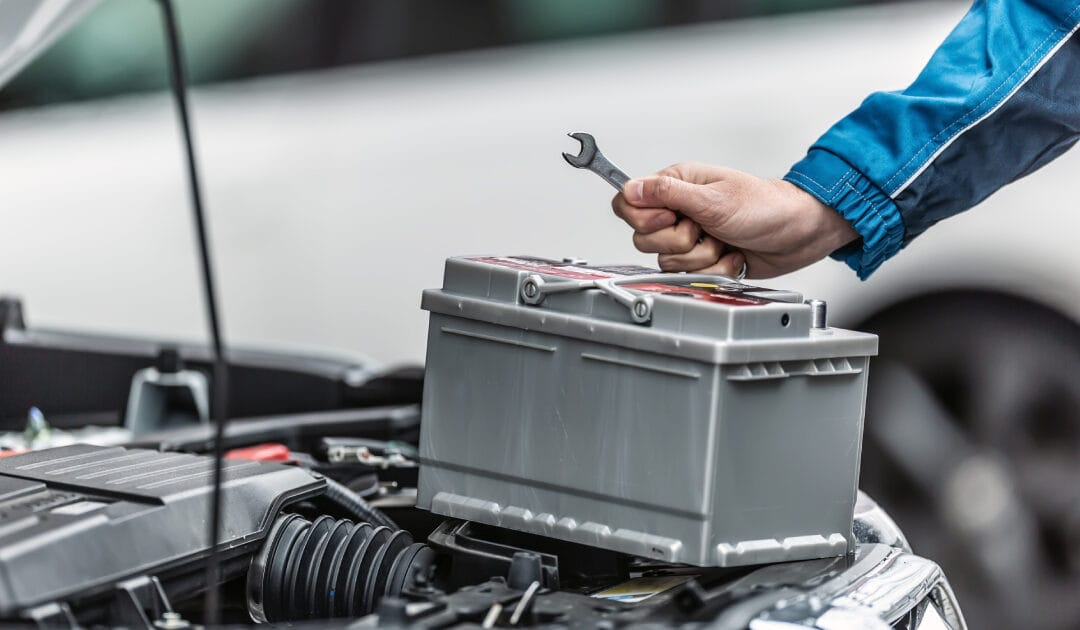
A car battery is usually reaching the end of its life when it struggles to start the engine, especially in cold weather; other signs include dimming headlights, a swollen battery case, or a battery warning light that keeps coming on. Most batteries last three to five years, so age alone is worth factoring in. If any of these sound familiar, it’s worth having it tested.
Fast Facts
- Most car batteries last between three and five years under normal driving conditions, though Ontario winters can shorten that range noticeably
- A battery that’s been jump-started more than twice in a single season is likely on its way out
- Cold temperatures reduce a battery’s cranking power by up to 35%, which is why failures tend to cluster in late fall and early winter
- Corroded terminals are one of the most commonly overlooked signs of a battery that’s been struggling for a while
- Electrical accessories (heated seats, power windows, infotainment screens) that suddenly behave sluggishly can be an early indicator before the engine itself shows any trouble
Slow Cranking Is Usually the First Real Sign
When the engine turns over slowly on a cold morning, that’s not just the weather being dramatic. Something is being communicated by the battery. Cold temperatures reduce a battery’s ability to deliver current, and a battery that’s already weakened will feel that stress first. If a vehicle takes noticeably longer to start than it used to, especially on mornings below zero, that signal is worth taking seriously. A lot of commuters in Niagara Falls chalk it up to the season and move on; sometimes that’s fine. But if it keeps happening, or gets worse as winter deepens, the battery is probably the cause.
Dimming Headlights and Sluggish Accessories
Dim headlights are one of those things that creep up gradually. Over time, the change is subtle enough that it doesn’t register until someone else points it out. But if the lights seem noticeably less bright than they used to be, or if power windows and heated seats feel slower to respond, more is being asked of the electrical system than the battery can comfortably supply. This pattern is often seen in older SUVs and work trucks that carry a lot of electrical load. Not always dramatic. But it’s consistent, and consistency is what makes it worth paying attention to.
The Battery Warning Light Isn’t Just a Suggestion
A lot of drivers see the battery light flicker and assume it’ll sort itself out. It usually won’t. That light is tied to the vehicle’s charging system, and when it comes on, something in that system is underperforming. It might be the battery, the alternator, or a connection issue; any of those left alone tends to get worse. The light being on doesn’t mean the car is about to stop immediately, but the problem is already present. Getting it diagnosed early is almost always cheaper than waiting until the vehicle won’t start at all.
Visible Corrosion on the Terminals
Battery terminals are easy to ignore because they’re out of sight under the hood. But corrosion, that white or bluish-grey buildup around the posts, is a sign that the battery has been working harder than it should, or that moisture and road salt have been doing their thing over time. Current flow gets restricted by corroded terminals, which means the battery can’t charge or discharge properly even if the battery itself is still functional. In a region like Niagara Falls, where road salt gets used heavily through the winter months, terminal corrosion tends to be noticed earlier and more aggressively than in milder climates. Interesting how that works, really.
A Swollen or Misshapen Battery Case
This one’s less common, but it matters. A battery case that looks bloated or warped has usually been exposed to excessive heat or has been overcharged at some point. It’s a physical sign that the internal chemistry has been compromised. A swollen battery should be replaced. Full stop. It’s not something that improves on its own, and in some cases it can become a safety concern. If a visual check under the hood turns up a battery that looks anything other than flat and rectangular, that’s worth flagging to a mechanic right away.
Age Alone Is a Reasonable Trigger for Testing
Batteries don’t always fail dramatically. Some just get weaker, bit by bit, until one cold morning there isn’t enough left to start the engine. If a battery is three years old or more, it’s worth having it load-tested, even if it seems to be working fine. This is especially true for out-of-warranty vehicles where the battery hasn’t been replaced since the car was new. A load test takes a few minutes; a clear picture of how much capacity is actually left gets returned pretty quickly. It’s one of those checks that tends to prevent the inconvenient kind of surprise. Anyway, that’s usually where it clicks for most people.
What Ontario Winters Do to Battery Life
Ontario winters are, to be fair, genuinely hard on batteries. The combination of cold temperatures, frequent short trips, and heavy electrical demand from heated seats, defrosters, and headlights running on long dark mornings adds up fast. A battery that might last five years in a milder climate could realistically need replacement after three in this region. Drivers in Niagara Falls who commute short distances are particularly affected, because short trips don’t always give the alternator enough time to fully recharge the battery after a cold start. Over a season or two, that deficit compounds. It’s not a flaw in the vehicle; it’s just the reality of driving here.
Getting Your Battery Checked at Hawkeyes Automotive
If any of these signs sound familiar, the straightforward move is to get the battery tested before it becomes a problem. At Hawkeyes Automotive in Niagara Falls, battery testing is handled as part of a no-pressure diagnostic process backed by Red Seal certified expertise. No hidden fees are charged, and no unnecessary upsells are made; just an honest look at what’s going on and a clear explanation of what, if anything, needs to be done. Quality work at a reasonable price is the standard here, and that applies whether a family sedan, a work truck, or an ATV is being brought in. To book a time or learn more, visit the Hawkeyes Automotive website.
Mini-FAQ
Q: How do I know if it’s the battery or the alternator causing my car problems?
Fair point, because the two get confused all the time. A battery problem usually shows up at startup; the engine cranks slowly or not at all. An alternator issue tends to appear while the vehicle is already running, often as a battery warning light or dimming gauges. Both can be tested quickly with the right equipment. That still surprises people.
Q: Can a battery fail suddenly without any warning signs?
It can, though it’s less common than people think. In most cases, the signs were there but got written off as “just the cold” or “probably nothing.” A battery that’s been borderline for a season or two is more likely to quit on a cold January morning than a warm one. Worth getting it checked before winter sets in.
Q: Is it safe to keep driving if my battery warning light comes on?
Look, it depends on what’s actually triggering it. The warning light can be set off by a weak battery, a failing alternator, or a loose connection. Driving on it isn’t recommended for long. The charging system is being flagged for a reason, and ignoring it tends to turn a simple fix into a bigger one.
Q: Does road salt affect car batteries?
Funny enough, it does, indirectly. Road salt accelerates corrosion on battery terminals and cable connections, which is a real issue for vehicles driven through Niagara Falls winters year after year. Corroded terminals reduce the flow of current and can make a decent battery perform like a weak one. Regular visual checks go a long way.
by SEOteam | Aug 4, 2026 | Blog
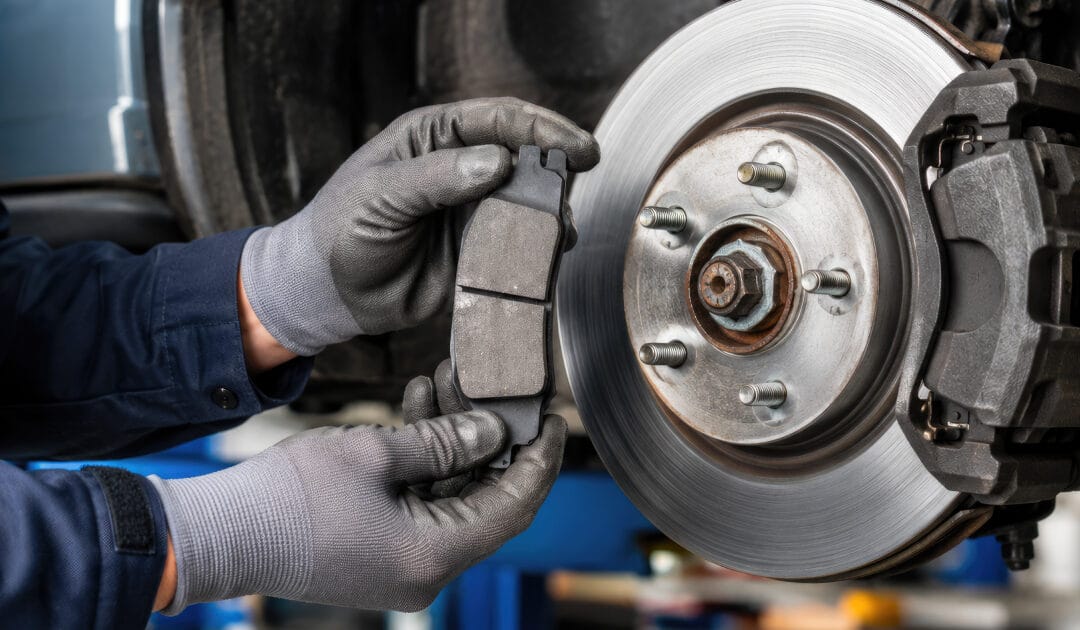
In Niagara Falls driving conditions, brakes should generally be inspected at least once a year; however, the region’s road salt, winter moisture, and frequent stop-and-go traffic often make twice-yearly checks the more practical standard. Roughly every 20,000 kilometres is a reasonable starting point, though your driving habits and vehicle type will shift that number.
Fast Facts
- Brake pads in high-salt environments like Niagara Falls can wear up to 30% faster than in drier climates, due to rotor corrosion accelerating pad contact friction
- A visual inspection of your brake pads can often be done through the wheel spokes, no lift required
- Most passenger vehicles have a recommended brake inspection interval of 20,000 to 25,000 kilometres, but local conditions frequently push that earlier
- Work trucks and SUVs carrying heavy loads wear brakes significantly faster than lighter commuter cars
- Squealing, grinding, or a soft brake pedal are warning signs that should be checked before the next scheduled service, not after
Why Niagara Falls Is Harder on Brakes Than Most Places
Driving in Niagara Falls, ON isn’t the same as driving in a dry climate, and brake wear reflects that pretty clearly. The region gets significant snowfall, road brine application starts early in the season, and the freeze-thaw cycle through late winter is relentless. All of that moisture and salt finds its way into brake components. Rotors develop surface rust quickly, sometimes overnight after rain; caliper slides and hardware corrode in ways that cause uneven pad wear. It’s not dramatic, but it adds up over a season. Vehicles that sit outside, which is most of them, are especially exposed.
The Standard Interval, and Why It Probably Doesn’t Apply Here
Most owner’s manuals suggest a brake inspection somewhere around every 20,000 to 25,000 kilometres. That’s a reasonable baseline for average conditions. But Niagara Falls driving conditions aren’t average, at least not in the way those intervals were originally calculated. Stop-and-go traffic on Lundy’s Lane, highway merging on the QEW, and winter driving with extended braking distances all push wear faster than a manual written for a general audience is built to account for. In many cases, a twice-yearly inspection, once before winter and once after, is a more practical approach for local drivers, especially for vehicles that are already out of warranty.
What a Brake Inspection Actually Involves
A proper brake inspection isn’t just a quick look through the wheel. Pad thickness is measured, rotors are checked for scoring and thickness variation, calipers are inspected for sticking or uneven movement, brake lines are looked over for corrosion or cracking, and brake fluid condition is assessed. Fluid absorbs moisture over time, and in a climate like Niagara Falls, that happens faster than people tend to expect. The whole check usually takes less time than an oil change; it’s one of those things that’s easy to skip and, to be fair, easy to regret skipping. Anyway, that’s usually where it clicks for most drivers.
Warning Signs That Shouldn’t Wait for a Scheduled Visit
Some things are worth paying attention to between inspections. Squealing when the brakes are first applied in the morning can be surface rust burning off, which is normal after a damp night. But squealing that continues through braking, or grinding at any point, is a different story. A soft or spongy pedal, pulling to one side under braking, or a vibration through the steering wheel when stopping are all signs that something needs to be looked at sooner rather than later. None of those symptoms tend to resolve on their own, and waiting usually means a more involved repair than catching it early would have required.
Work Trucks and SUVs: A Separate Conversation
For tradespeople running work trucks around Niagara Falls, brake wear is a more frequent concern than it is for a commuter in a compact car. Load weight has a direct effect on stopping distance and pad wear. A truck that’s regularly carrying tools, materials, or towing a trailer is working its brakes harder on every stop; the same is true for family SUVs that are loaded up regularly. In those cases, inspections probably make sense closer to every 15,000 kilometres, or at minimum every season. It’s not about being cautious for the sake of it. It’s just the math of how braking systems wear under load, day by day.
Brake Fluid: The Part People Forget
Brake fluid doesn’t get talked about as often as pads and rotors, but it matters. It’s hygroscopic, meaning moisture gets absorbed from the air over time. As moisture content increases, the fluid’s boiling point drops, which can affect braking performance under hard use. In a climate with significant humidity and temperature swings, like Niagara Falls through spring and fall, fluid condition can degrade faster than the two-year replacement interval suggested by some manufacturers. Checking fluid condition is part of a thorough brake inspection, and it’s something that’s easy to overlook if attention is only being paid to the pads. That sounds straightforward on paper, but it’s more commonly missed than most people realize.
The Cost of Waiting Too Long
Brake repairs that are caught early are almost always less expensive than repairs that are caught late. Worn pads replaced on time don’t damage rotors. Rotors that are inspected and resurfaced when needed don’t have to be replaced entirely. Calipers serviced before they seize don’t require full replacement. The pattern is consistent. Deferred brake maintenance tends to turn a straightforward service into a more involved one, and for drivers who are already cautious about repair costs, which describes a lot of people in Niagara Falls, staying ahead of brake wear is actually the more cost-effective approach over time. Quality work at a reasonable price starts with catching things before they escalate.
Getting Your Brakes Checked in Niagara Falls
If you’re not sure when your brakes were last inspected, that’s probably reason enough to have it done. Probably enough. Brake inspections are part of the regular service work carried out at Hawkeyes Automotive, where everyday commuters, families, and tradespeople across Niagara Falls, ON are looked after. Red Seal certified expertise, local shop trust, and no pressure to approve work that isn’t actually needed. Upfront quotes are provided, no hidden fees are added, and a straightforward conversation about what your vehicle actually needs is part of every visit. The shop is open Monday through Friday, so booking a time that fits your week is usually straightforward. Visit the Hawkeyes Automotive website to learn more or to get in touch.
Mini-FAQ
Q: Does road salt actually damage brakes, or is that overstated?
It’s genuinely a factor. Salt accelerates rust on rotors and caliper hardware, and that rust doesn’t just look bad. Uneven pad wear, sticking calipers, and reduced stopping power can all be caused by it over time. Vehicles driven through Niagara Falls winters are exposed to heavy brine application on regional roads, and that exposure is cumulative. Not a scare tactic. Just physics.
Q: If my brakes feel fine, do I still need an inspection?
Fair point, and a lot of drivers think this way. The problem is that brake wear isn’t always felt before it becomes serious. Rotors can be scored, hardware can be corroding, and pad material can be low, all without any obvious change in pedal feel. By the time something feels wrong, the repair is usually more involved. That still surprises people.
Q: What’s the difference between a brake inspection and a brake service?
An inspection is a visual and mechanical check of your pads, rotors, calipers, brake lines, and fluid. No parts are replaced unless something is found. A service, on the other hand, involves actual work, whether that’s replacing pads, resurfacing or replacing rotors, or flushing brake fluid. One leads to the other when needed, but they’re not the same visit.
Q: Should I get my brakes checked more often if I drive a truck or SUV?
Generally, yes. Heavier vehicles put more demand on braking systems, and if you’re hauling tools, equipment, or a trailer, that load increases stopping distances and pad wear considerably. Brake wear tends to happen faster than expected for tradespeople running work trucks around Niagara Falls. Worth factoring in.
by SEOteam | Aug 4, 2026 | Blog
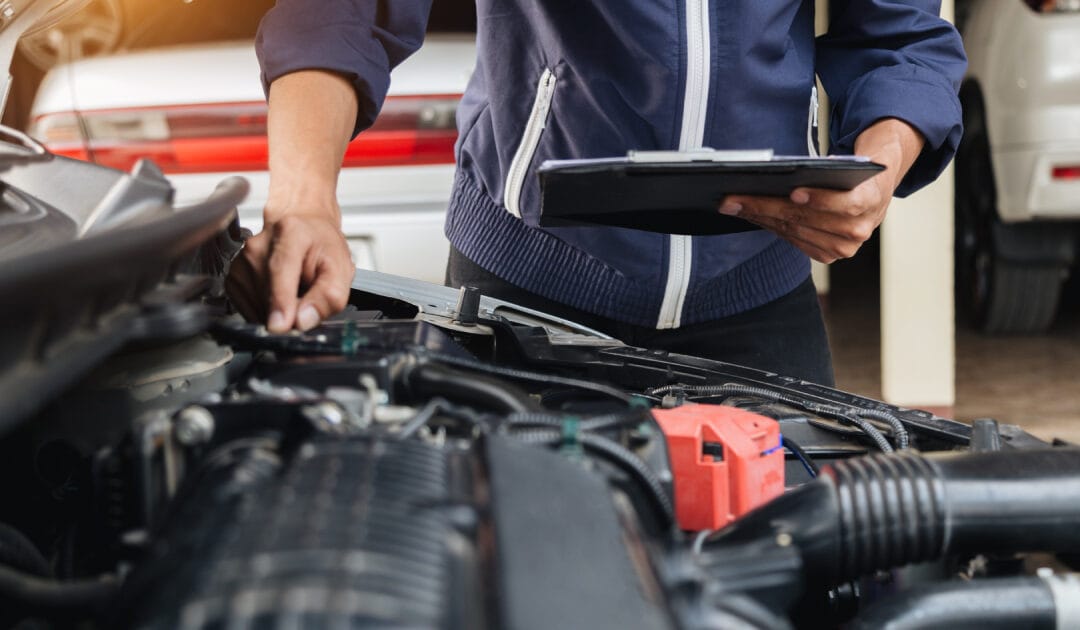
Regular vehicle inspections usually catch worn parts, low fluids, and developing faults before they turn into serious repairs; a failing brake pad caught early, for instance, can prevent rotor damage that costs several times more to fix. For drivers in Niagara Falls, ON, routine inspections are one of the more practical ways a vehicle can be protected long-term. Visit Website to book yours.
Fast Facts
- Brake pads that are inspected and replaced on time can prevent rotor damage that typically costs three to five times more to repair
- Ontario’s road salt season runs roughly five to six months of the year, accelerating corrosion on brake lines, suspension components, and undercarriage parts
- Most out-of-warranty vehicles benefit from an inspection at least twice a year, particularly before and after winter
- A basic inspection can flag coolant, transmission, and brake fluid conditions that are often overlooked between oil changes
- Tires are among the most commonly under-inspected components; uneven wear caught early can extend tyre life significantly and improve road safety
What an Inspection Actually Does
An inspection isn’t just a visual once-over. It’s a structured check of the systems that keep a vehicle safe and running. Brakes, tires, fluids, belts, lights, suspension, and the undercarriage are all looked at with fresh eyes; things that get missed in day-to-day driving are often caught this way. Small changes in brake feel or a slight pull in the steering can be easy to normalize over time. A mechanic who hasn’t been driving the vehicle will notice them faster. That’s probably the most underrated part of the whole process.
The Real Cost of Skipping Inspections
Repairs that are caught early are almost always cheaper than the same repairs caught late. A worn brake pad is a straightforward replacement. A worn brake pad that’s been ignored long enough to score the rotor is a different job entirely, and a more expensive one. The same logic applies to coolant leaks, belt wear, and suspension components. In many cases, the part itself isn’t the expensive piece; it’s the labour and secondary damage that follows when something fails completely. Staying ahead of that, I suppose, is where inspections earn their value.
Why Niagara Falls Vehicles Take More Punishment
Road salt is applied heavily across Niagara Falls and the broader Ontario region from roughly November through April. It does its job on ice, but it’s hard on vehicles. Brake lines, suspension components, and undercarriage metal are all exposed to that salt for months at a time, and corrosion builds gradually in ways that aren’t always visible from above. Post-winter inspections are particularly useful here because that’s when accumulated damage tends to show up. A vehicle that looks fine on the outside can have real wear underneath that only gets spotted when someone actually looks. Funny thing, really.
Out-of-Warranty Vehicles Need More Attention, Not Less
Once a vehicle is out of its manufacturer warranty, there’s no safety net. No scheduled dealer check-ins, no automated reminders tied to a service contract. That responsibility is shifted entirely to the owner. For the commuters, families, and tradespeople who depend on their vehicles daily in Niagara Falls, that’s a meaningful shift. An out-of-warranty car or truck that gets inspected twice a year is far less likely to produce a surprise repair bill than one that only sees a shop when something goes wrong. Bit by bit, consistent maintenance is what keeps older vehicles on the road longer.
What Reputable Mechanics in Niagara Falls Should Be Checking
When people ask what the top auto repair services to look for when searching for mechanics in Niagara Falls, Ontario, inspections are usually near the top of the list. Brakes and rotors, tire condition and pressure, all fluid levels, belts and hoses, battery health, lights, and the exhaust and undercarriage should all be checked by a shop worth trusting. What was found should also be explained in plain language, without jargon or pressure, just a clear picture of where the vehicle stands. Red Seal certified expertise, local shop trust; that combination matters more than most people realize until they’ve had a bad experience somewhere else.
The Difference Between Proactive and Reactive Maintenance
Reactive maintenance means fixing things after they break. Proactive maintenance means catching them before they do. The first approach feels cheaper in the short term because money isn’t spent until something fails, but the repairs that follow a breakdown are rarely small ones. Proactive maintenance, to be fair, tends to produce smaller, more predictable costs spread out over time. For families running one vehicle or tradespeople who can’t afford downtime, that predictability has real value. That sounds straightforward on paper, but it’s usually where things click for people who’ve been on the fence about keeping up with inspections.
Inspections and Seasonal Timing
Timing matters. A pre-winter inspection before the first hard freeze gives drivers a chance to address tire condition, battery health, and brake performance before they’re tested by cold and ice. A post-winter inspection after the salt season lets any corrosion or wear that accumulated over those months be caught before it compounds. Two inspections a year, timed around the seasons, covers most of what out-of-warranty vehicles in this region need. It’s not a complicated schedule, and for most drivers it’s the single most practical step that can be taken to avoid a larger repair bill down the road.
Book Your Inspection at Hawkeyes Automotive
Hawkeyes Automotive serves everyday drivers, families, and tradespeople across Niagara Falls, ON, with straightforward inspections and quality work at a reasonable price. No hidden fees are charged, and no unnecessary upsells are made; just an honest look at the vehicle and a clear explanation of what was found. The shop is open Monday through Friday, so if a car, SUV, or work truck is due for a check, there’s no reason to put it off. Visit Website to learn more about what Hawkeyes Automotive offers and to get in touch with the team.
Mini-FAQ
Q: How often should I get my vehicle inspected if it’s out of warranty? Twice a year is a reasonable starting point for most vehicles. A pre-winter check before the snow hits and a post-winter check once the salt season winds down are both worth doing. Out-of-warranty vehicles don’t have the same manufacturer oversight, so wear and developing faults tend to go unnoticed longer. That’s usually when the bigger bills show up. Q: Does an inspection actually save money, or is it just another thing shops push? Fair point, and it’s one worth answering directly. An inspection itself is a relatively low-cost service. What it does is give you a clear picture of what’s wearing, what’s fine, and what needs attention soon. Decisions can then be made on your terms, not under pressure after a breakdown. No hidden fees, no unnecessary upsells; a good shop tells you what it found and lets you decide. Q: What gets checked during a standard vehicle inspection? Look, the scope varies by shop, but a thorough inspection typically covers brakes, tires, steering and suspension, fluid levels, belts, hoses, lights, and the exhaust system. Undercarriage components are especially worth checking in Niagara Falls, where road salt exposure is significant. Caught early, most of those items are straightforward fixes. Left alone, several of them can cascade into larger problems. That still surprises people. Q: Is it worth inspecting an older work truck or ATV, or just fix things as they break? Honestly, older vehicles probably benefit more from regular inspections, not less. Wear compounds over time, and a truck that’s been hauling heavy loads or an ATV that’s seen rough terrain will have stress placed on components that aren’t always obvious from the outside. Waiting for a breakdown on a work vehicle tends to cost more in both repairs and lost time than staying ahead of it would have.