
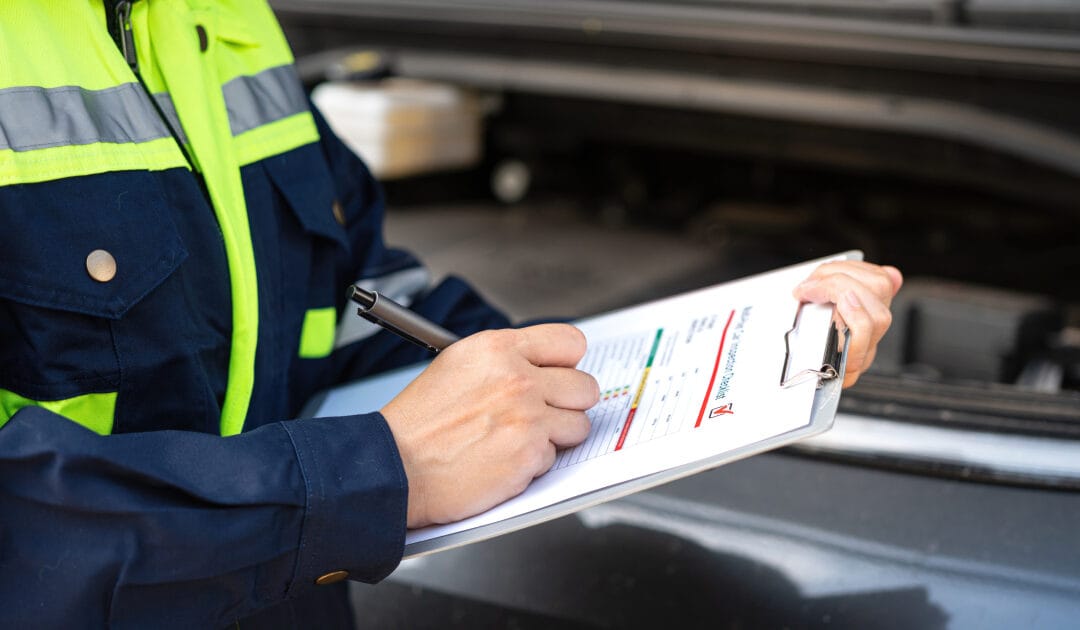
To prepare your vehicle for a Niagara Falls winter, tires, battery, brakes, fluids, and undercarriage protection should usually be addressed before temperatures drop below freezing; road salt is a particular concern in this region, and corrosion can quietly develop in ways that only show up months later. A pre-winter inspection from a trusted local shop is a solid starting point.
Fast Facts
- Temperatures in Niagara Falls, ON can drop below -15°C, which puts significant strain on batteries, especially those over three years old
- Road salt is applied heavily on regional roads from roughly November through March, making undercarriage corrosion one of the most common and costly winter-related repair issues locally
- Winter tires are not legally required in Ontario, but they’re strongly recommended; all-season tires lose meaningful grip below 7°C
- A block heater, already standard on many Canadian vehicles, can reduce engine wear significantly on cold starts
- Windshield washer fluid rated for -40°C is widely available and worth using before the first freeze, not after
Why Niagara Falls Winters Are Harder on Vehicles Than People Expect
The Niagara region gets a particular kind of winter. Not always the deepest cold in Ontario, but consistent freeze-thaw cycles, heavy road salt application, and wet conditions that tend to linger for months. That combination does real work on a vehicle over time. Brake lines corrode. Rubber seals dry out. Batteries that were marginal in summer give up entirely by February. From what we’ve seen at Hawkeyes Automotive, a lot of the repairs that come in during late winter could have been caught with a basic pre-season inspection; it’s a pattern that repeats itself year after year. The vehicles that hold up well aren’t always the newest ones. They’re usually the ones whose owners stayed a step ahead.
Tires: The One Thing That Actually Touches the Road
Winter tires are probably the single most impactful change that can be made before the cold sets in. All-season tires are designed for a wide range of conditions, but below 7°C, the rubber compound stiffens and grip drops noticeably. That matters on the QEW, on local side streets, and especially on bridges where ice tends to form faster than on regular pavement. Winter tires are built with a softer compound and a tread pattern designed to channel slush and bite into packed snow. Not a luxury item for Niagara Falls drivers. A practical safety decision. Booking early, before the November rush, usually means better availability and a lot less waiting around.
Battery Checks: Cold Weather Exposes What Summer Hides
A battery that starts your vehicle without complaint in August can fail completely on a cold January morning. Cold temperatures slow the chemical reaction inside a battery, which reduces its ability to deliver the cranking power an engine needs. Batteries over three years old are worth being tested before winter arrives, not after the first no-start. Most shops can run a load test quickly. Straightforward check. If the battery is borderline, having it replaced before the season is far less stressful than dealing with a dead vehicle in a parking lot on a weekday morning when you’re already running late.
Fluids and Filters: The Basics That Actually Matter
Engine oil, coolant, brake fluid, and windshield washer fluid all behave differently once temperatures drop. Oil viscosity matters more than most people realize; the wrong grade thickens in cold weather and makes cold starts harder on internal engine components. Coolant needs to be properly mixed so that freezing in the lines can be prevented. And windshield washer fluid is one of those things that seems minor until you’re driving into road spray on the 420 and the reservoir is empty or frozen. Switching to a -40°C-rated washer fluid before the season starts is a small step, but it’s the kind of small step that saves a lot of frustration. Over time, it’s the basics that tend to matter most.
Brakes: Worth Checking Before the Roads Get Slippery
Stopping distances increase in winter regardless of how good the brakes are. Worn pads or corroded rotors make that problem significantly worse, though. Brakes that feel acceptable in dry conditions can feel spongy or slow to respond on wet or icy roads. In Niagara Falls, where road salt accelerates rotor corrosion, brake components tend to wear faster than in drier climates. A visual inspection isn’t always enough to catch what’s going on inside the caliper or along the brake lines. Having a mechanic take a proper look before winter, rather than waiting for a grinding noise, is usually the more sensible approach. Anyway, that’s usually where it clicks for most drivers.
Undercarriage and Rust Protection: The Part Nobody Sees Until It’s Too Late
Road salt is applied generously on Niagara Falls streets from early November through March, sometimes beyond. That salt doesn’t just sit on the surface; it gets into wheel wells, along the frame, around brake lines, and into any area where moisture can collect. Rust doesn’t always show up where it can be seen from the outside. It tends to develop in hidden spots first, and by the time it becomes visible, real structural damage has often already been done. Undercarriage inspections and rust protection treatments are worth considering, I suppose, before the salt season starts. Not every vehicle needs the same level of attention, but older vehicles and work trucks especially benefit from a closer look.
Lights, Wipers, and Emergency Supplies: The Practical Checklist
Shorter days mean more driving in the dark. Headlights that are dim or misaligned are a safety issue that’s easy to overlook during summer, and they’re often not noticed until conditions actually demand them. Wiper blades also tend to get ignored until they’re smearing more than they’re clearing. Winter-rated wiper blades handle ice and snow better than standard ones, and they’re not expensive. Beyond the vehicle itself, keeping a basic winter kit in the car is a reasonable habit: a small shovel, an ice scraper, a blanket, and some traction aids for the trunk. It’s about being prepared for the kind of situation that can happen to anyone driving in Ontario in January.
Getting It Done Without the Dealership Markup
A lot of Niagara Falls drivers with out-of-warranty vehicles assume the dealership is their only real option for thorough maintenance. That’s not the case. Independent shops staffed by Red Seal Certified mechanics can handle the full range of winter prep, from tire swaps and battery tests to brake inspections and fluid services, and it tends to get done at dealer-alternative rates with upfront quotes. No hidden fees, no unnecessary upsells. At Hawkeyes Automotive, the goal is straightforward: your vehicle gets looked at honestly, the work gets done properly, and you leave confident in what you’re driving. If you want to get your vehicle sorted before winter sets in, visit our website to learn more and book your appointment.
Mini-FAQ
Q: When should I switch to winter tires in Niagara Falls?
The general guidance is to make the switch when temperatures consistently fall below 7°C, which in the Niagara region tends to happen sometime in October or early November. That threshold matters because all-season rubber starts losing its flexibility and grip below that point. Not a minor difference. Many local drivers wait too long and end up booking appointments during the first snowfall rush, which means longer waits and fewer time slots available.
Q: Does road salt actually cause that much damage to a vehicle?
Fair point to question, but yes, it really does. Salt accelerates rust on brake lines, exhaust components, and the frame itself, and that damage is often not visible until it’s already become a structural or safety issue. Undercarriage inspections are frequently skipped by drivers who feel fine about how their vehicle handles. That still surprises people.
Q: Is a winter oil change actually necessary, or is that just an upsell?
Look, it depends on your current oil and your vehicle’s age. Conventional oil thickens in cold weather, which makes cold starts harder on the engine. If you’re running the right viscosity for winter conditions, you’re probably fine. But if you’re not sure what’s in there, or if you’ve been putting off a change, winter is a reasonable time to sort it out. Worth asking your mechanic directly rather than guessing.
Q: What’s the most overlooked part of winter vehicle prep?
Funny enough, it’s usually the brakes and the battery that get ignored until there’s a problem. Brakes that are borderline in October tend to feel much worse by January, especially on wet or icy roads. And batteries that are three or four years old can fail without much warning when temperatures drop. Both are worth having checked before the season really gets going.