by SEOteam | Sep 1, 2026 | Blog
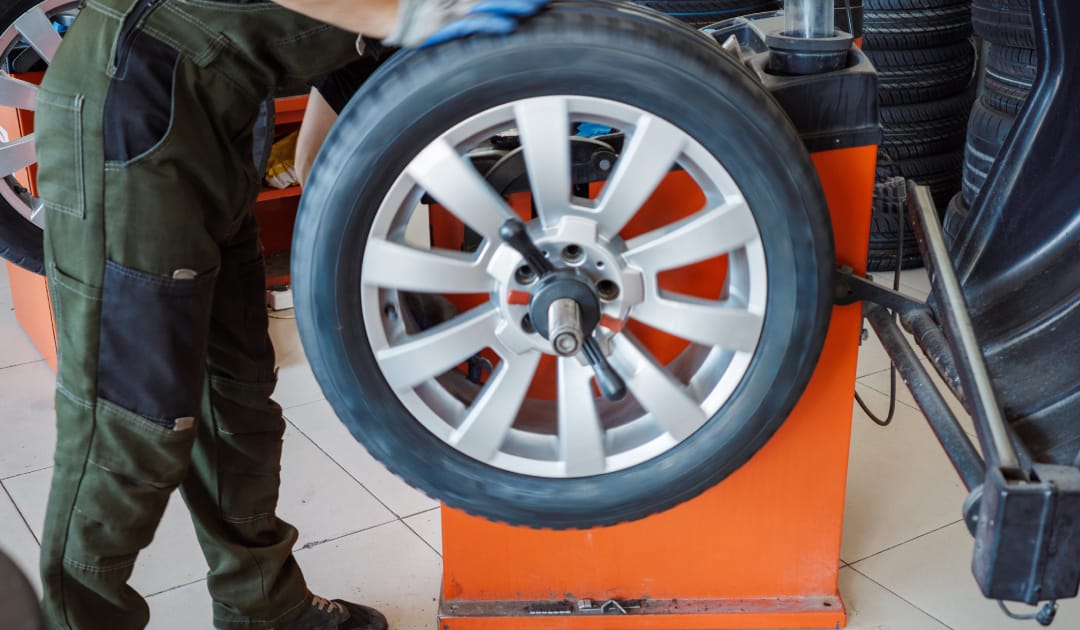
Tires should usually be rotated every 8,000 to 12,000 kilometres; for most drivers in Niagara Falls, that lines up roughly with every oil change. Skipping rotations shortens tread life and can create uneven handling over time… Tread wear and rotation needs can be checked at Hawkeyes Automotive when you visit.
Fast Facts
- Tire rotation is recommended by most manufacturers every 8,000 to 12,000 km, though some high-performance or all-season setups may need it sooner
- Front tires on front-wheel-drive vehicles can wear up to 2.5 times faster than rear tires without regular rotation
- Ontario road salt and freeze-thaw cycles can accelerate uneven tread wear, making rotation especially important for Niagara Falls drivers
- Skipping rotations doesn’t just shorten tire life; braking distance and handling can also be affected, particularly in wet or icy conditions
- Rotating tires at the same time as an oil change is one of the easiest ways to stay on schedule without adding a separate appointment
Why Tire Rotation Gets Skipped More Than It Should
Tire rotation sits in a quiet middle ground, as far as maintenance items go. It’s not urgent enough to feel like an emergency, but real damage is done when it’s skipped long enough. From what we’ve seen at Hawkeyes Automotive, a lot of drivers in Niagara Falls simply don’t realize how quickly uneven wear compounds. A tire that’s been carrying more load than its counterpart for 20,000 kilometres doesn’t just wear faster; handling, braking, and response in wet or icy conditions can all be affected over time. Small thing, bigger consequences than most people expect.
The Standard Interval: What the Numbers Actually Mean
Generally speaking, the 8,000 to 12,000 kilometre range is where most passenger vehicles land. That number is arrived at through a combination of manufacturer recommendations and real-world wear patterns observed across different drive configurations. For the average commuter putting on roughly 20,000 kilometres a year in and around Niagara Falls, that works out to roughly two rotations annually. Tying it to your oil change schedule is probably the simplest approach, since the vehicle is already being brought in. It keeps the interval consistent without requiring a separate trip.
Front-Wheel Drive vs. All-Wheel Drive: It’s Not the Same
Drive configuration matters more than a lot of people realize. On a front-wheel-drive car, acceleration, steering, and a significant share of braking are all handled by the front tires. They wear considerably faster than the rears. Left unrotated, the front pair will often need to be replaced well before the rears are anywhere near done. All-wheel-drive vehicles distribute load more evenly, but they’re not immune; in fact, mismatched tread depths across all four tires can stress the drivetrain on some AWD systems. Worth knowing, I suppose, before your SUV or crossover is assumed to be fine to skip.
What Ontario Winters Do to Your Tires
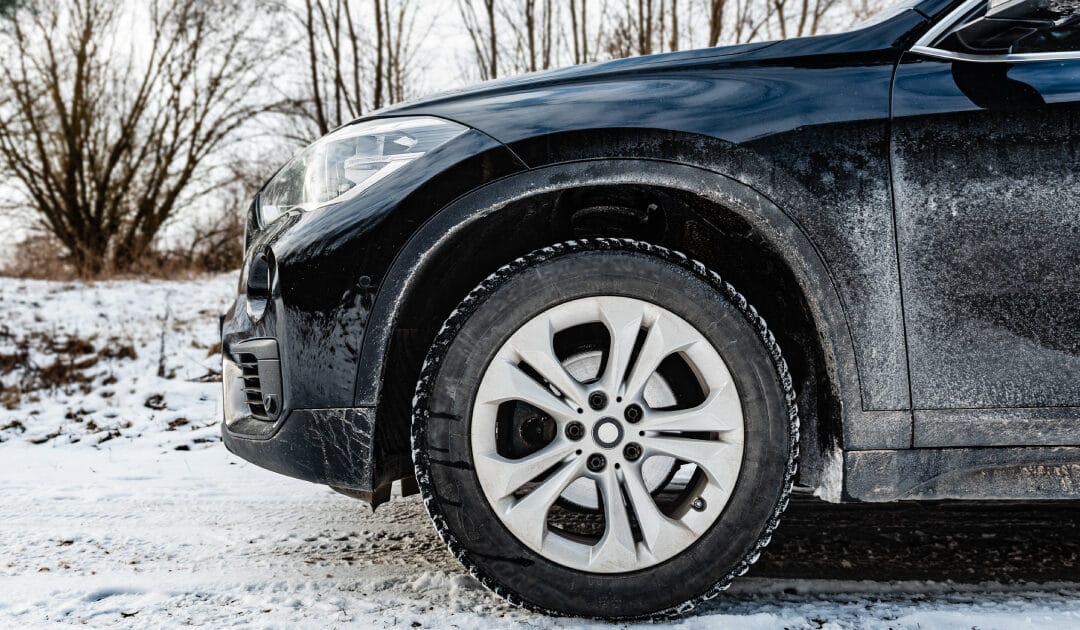
Road conditions in Niagara Falls put extra demands on tires that drivers in milder climates don’t deal with to the same degree. Road salt is corrosive, and it gets into everything, including the small surface variations in tread rubber. The freeze-thaw cycle through late fall and early spring causes pavement to shift and crack, creating rougher road surfaces that accelerate wear. If a separate set of winter tires is being run, the seasonal swap is a natural moment to inspect wear patterns on both sets and confirm your rotation schedule is still appropriate. A lot of people treat the swap as just a swap. It’s actually a useful inspection point.
Tread Wear Patterns Tell a Story
Uneven wear isn’t random. It’s usually caused by something specific: under-inflation, over-inflation, alignment issues, or simply the mechanical reality of which axle is doing more work. A tire worn more on the outer edges than the centre is probably running low on air; one worn on the inside edge might point to an alignment problem. When tires are rotated regularly, those patterns get caught earlier, and the underlying cause can be addressed before a new set’s life is shortened. Rotation is partly about evening out wear, it’s also a diagnostic opportunity. Anyway, that’s usually where it clicks for people who’ve been skipping it.
How Rotation Connects to Tire Longevity (and Your Wallet)
A quality set of all-season tires represents a real investment, especially for families and tradespeople running work trucks or larger vehicles. Extending that investment by 20,000 or even 30,000 kilometres through consistent rotation isn’t a small thing; it adds up over the life of the vehicle. At Hawkeyes Automotive, the approach is straightforward: quality work at a reasonable price, which includes not letting something as simple as a rotation interval quietly cost you a full set of tires ahead of schedule. The math on skipping it rarely works out in the driver’s favour.
Signs You May Have Already Waited Too Long
A few things are worth paying attention to between service visits. Vibration through the steering wheel at highway speeds can indicate uneven wear. Pulling to one side, even slightly, sometimes points to tread differences between the left and right tires. A noticeable humming or droning sound that changes with speed is another signal worth noting. None of these are guaranteed to mean your tires are past the point where rotation can help, but they’re worth having checked. Catching it early is almost always better than waiting until the wear becomes obvious from a visual inspection. Probably enough said on that.
Getting It Done in Niagara Falls Without the Dealership Price Tag
For drivers who’ve moved past their factory warranty, the dealership isn’t always the most practical option for routine maintenance. Tire rotation is one of those services where dealer-alternative rates make a real difference, particularly when it’s being kept up every 8,000 to 12,000 kilometres as recommended. At Hawkeyes Automotive, rotations are handled by Red Seal Certified technicians who’ll also flag anything else worth knowing about your tires or suspension while the wheels are off. No hidden fees, no unnecessary upsells. If your rotation schedule needs sorting, or your current tread wear should be assessed, the Hawkeyes Automotive website is the place to start planning your next appointment.
Mini-FAQ
Q: Does the type of vehicle I drive change how often I need to rotate?
Yes, it does. More strain is placed on the front tires of front-wheel-drive vehicles, so rotation tends to be needed on the shorter end of the recommended range. Trucks and SUVs used for hauling or towing are also worth watching more closely. Not a one-size-fits-all situation.
Q: Can I skip a rotation if my tires still look fine?
Fair point, and it’s one a lot of drivers make. The problem is that uneven wear isn’t always visible until it’s already well along. By the time a clear difference between front and rear tread depth can be seen, some tyre life has likely already been lost. Wear is measured in millimetres, not eyeballed from the driveway.
Q: How does Ontario’s winter affect how often I should rotate?
This is something that comes up a lot with drivers in Niagara Falls. Road salt, gravel, and the repeated freeze-thaw cycle through winter and early spring put extra stress on tires, particularly on the front axle where steering and braking forces are concentrated. If you’re swapping between winter and all-season tires each year, that seasonal changeover is a natural checkpoint where wear can be inspected and your rotation schedule adjusted.
Q: Is tire rotation something I can just do myself?
It can be done at home if the right equipment is on hand, a floor jack, jack stands, and a torque wrench being the basics. That said, it’s also a good moment to have a trained eye check for uneven wear patterns, brake condition, and suspension issues that might be causing the wear in the first place. A lot gets caught during a rotation that wouldn’t have been noticed otherwise.
by SEOteam | Aug 4, 2026 | Blog
To prepare your vehicle for a Niagara Falls winter, tires, battery, brakes, fluids, and undercarriage protection should usually be addressed before temperatures drop below freezing; road salt is a particular concern in this region, and corrosion can quietly develop in ways that only show up months later. A pre-winter inspection from a trusted local shop is a solid starting point.
Fast Facts
- Temperatures in Niagara Falls, ON can drop below -15°C, which puts significant strain on batteries, especially those over three years old
- Road salt is applied heavily on regional roads from roughly November through March, making undercarriage corrosion one of the most common and costly winter-related repair issues locally
- Winter tires are not legally required in Ontario, but they’re strongly recommended; all-season tires lose meaningful grip below 7°C
- A block heater, already standard on many Canadian vehicles, can reduce engine wear significantly on cold starts
- Windshield washer fluid rated for -40°C is widely available and worth using before the first freeze, not after
Why Niagara Falls Winters Are Harder on Vehicles Than People Expect
The Niagara region gets a particular kind of winter. Not always the deepest cold in Ontario, but consistent freeze-thaw cycles, heavy road salt application, and wet conditions that tend to linger for months. That combination does real work on a vehicle over time. Brake lines corrode. Rubber seals dry out. Batteries that were marginal in summer give up entirely by February. From what we’ve seen at Hawkeyes Automotive, a lot of the repairs that come in during late winter could have been caught with a basic pre-season inspection; it’s a pattern that repeats itself year after year. The vehicles that hold up well aren’t always the newest ones. They’re usually the ones whose owners stayed a step ahead.
Tires: The One Thing That Actually Touches the Road
Winter tires are probably the single most impactful change that can be made before the cold sets in. All-season tires are designed for a wide range of conditions, but below 7°C, the rubber compound stiffens and grip drops noticeably. That matters on the QEW, on local side streets, and especially on bridges where ice tends to form faster than on regular pavement. Winter tires are built with a softer compound and a tread pattern designed to channel slush and bite into packed snow. Not a luxury item for Niagara Falls drivers. A practical safety decision. Booking early, before the November rush, usually means better availability and a lot less waiting around.
Battery Checks: Cold Weather Exposes What Summer Hides
A battery that starts your vehicle without complaint in August can fail completely on a cold January morning. Cold temperatures slow the chemical reaction inside a battery, which reduces its ability to deliver the cranking power an engine needs. Batteries over three years old are worth being tested before winter arrives, not after the first no-start. Most shops can run a load test quickly. Straightforward check. If the battery is borderline, having it replaced before the season is far less stressful than dealing with a dead vehicle in a parking lot on a weekday morning when you’re already running late.
Fluids and Filters: The Basics That Actually Matter
Engine oil, coolant, brake fluid, and windshield washer fluid all behave differently once temperatures drop. Oil viscosity matters more than most people realize; the wrong grade thickens in cold weather and makes cold starts harder on internal engine components. Coolant needs to be properly mixed so that freezing in the lines can be prevented. And windshield washer fluid is one of those things that seems minor until you’re driving into road spray on the 420 and the reservoir is empty or frozen. Switching to a -40°C-rated washer fluid before the season starts is a small step, but it’s the kind of small step that saves a lot of frustration. Over time, it’s the basics that tend to matter most.
Brakes: Worth Checking Before the Roads Get Slippery
Stopping distances increase in winter regardless of how good the brakes are. Worn pads or corroded rotors make that problem significantly worse, though. Brakes that feel acceptable in dry conditions can feel spongy or slow to respond on wet or icy roads. In Niagara Falls, where road salt accelerates rotor corrosion, brake components tend to wear faster than in drier climates. A visual inspection isn’t always enough to catch what’s going on inside the caliper or along the brake lines. Having a mechanic take a proper look before winter, rather than waiting for a grinding noise, is usually the more sensible approach. Anyway, that’s usually where it clicks for most drivers.
Undercarriage and Rust Protection: The Part Nobody Sees Until It’s Too Late
Road salt is applied generously on Niagara Falls streets from early November through March, sometimes beyond. That salt doesn’t just sit on the surface; it gets into wheel wells, along the frame, around brake lines, and into any area where moisture can collect. Rust doesn’t always show up where it can be seen from the outside. It tends to develop in hidden spots first, and by the time it becomes visible, real structural damage has often already been done. Undercarriage inspections and rust protection treatments are worth considering, I suppose, before the salt season starts. Not every vehicle needs the same level of attention, but older vehicles and work trucks especially benefit from a closer look.
Lights, Wipers, and Emergency Supplies: The Practical Checklist
Shorter days mean more driving in the dark. Headlights that are dim or misaligned are a safety issue that’s easy to overlook during summer, and they’re often not noticed until conditions actually demand them. Wiper blades also tend to get ignored until they’re smearing more than they’re clearing. Winter-rated wiper blades handle ice and snow better than standard ones, and they’re not expensive. Beyond the vehicle itself, keeping a basic winter kit in the car is a reasonable habit: a small shovel, an ice scraper, a blanket, and some traction aids for the trunk. It’s about being prepared for the kind of situation that can happen to anyone driving in Ontario in January.
Getting It Done Without the Dealership Markup
A lot of Niagara Falls drivers with out-of-warranty vehicles assume the dealership is their only real option for thorough maintenance. That’s not the case. Independent shops staffed by Red Seal Certified mechanics can handle the full range of winter prep, from tire swaps and battery tests to brake inspections and fluid services, and it tends to get done at dealer-alternative rates with upfront quotes. No hidden fees, no unnecessary upsells. At Hawkeyes Automotive, the goal is straightforward: your vehicle gets looked at honestly, the work gets done properly, and you leave confident in what you’re driving. If you want to get your vehicle sorted before winter sets in, visit our website to learn more and book your appointment.
Mini-FAQ
Q: When should I switch to winter tires in Niagara Falls?
The general guidance is to make the switch when temperatures consistently fall below 7°C, which in the Niagara region tends to happen sometime in October or early November. That threshold matters because all-season rubber starts losing its flexibility and grip below that point. Not a minor difference. Many local drivers wait too long and end up booking appointments during the first snowfall rush, which means longer waits and fewer time slots available.
Q: Does road salt actually cause that much damage to a vehicle?
Fair point to question, but yes, it really does. Salt accelerates rust on brake lines, exhaust components, and the frame itself, and that damage is often not visible until it’s already become a structural or safety issue. Undercarriage inspections are frequently skipped by drivers who feel fine about how their vehicle handles. That still surprises people.
Q: Is a winter oil change actually necessary, or is that just an upsell?
Look, it depends on your current oil and your vehicle’s age. Conventional oil thickens in cold weather, which makes cold starts harder on the engine. If you’re running the right viscosity for winter conditions, you’re probably fine. But if you’re not sure what’s in there, or if you’ve been putting off a change, winter is a reasonable time to sort it out. Worth asking your mechanic directly rather than guessing.
Q: What’s the most overlooked part of winter vehicle prep?
Funny enough, it’s usually the brakes and the battery that get ignored until there’s a problem. Brakes that are borderline in October tend to feel much worse by January, especially on wet or icy roads. And batteries that are three or four years old can fail without much warning when temperatures drop. Both are worth having checked before the season really gets going.
by SEOteam | Aug 4, 2026 | Blog
Before choosing an independent auto repair shop, verified credentials, upfront written quotes, and a track record of honest communication should all be confirmed. In many cases, a shop staffed by Red Seal Certified mechanics will offer dealer-alternative rates without the dealership runaround; that combination is harder to find than it should be.
Fast Facts
- Red Seal Certification is the official Canadian standard for licensed mechanics, and not every independent shop employs one
- Drivers in Niagara Falls, ON, deal with road salt, freeze-thaw cycles, and pothole damage that accelerates wear on brakes, suspension, and undercarriage components
- A written estimate should be provided by a reputable shop before any repair is started, not after
- Online reviews from local customers are one of the more reliable ways to gauge a shop’s consistency over time
- Out-of-warranty vehicles, especially those past the 5-year mark, typically require more frequent inspections to catch issues before they compound
Why the Shop You Choose Matters More Than the Price You See
A lot of drivers in Niagara Falls, ON, make their decision based on the first number they hear. That’s understandable. But the quote is only part of the picture, and what gets left out of a low estimate tends to show up later, usually at the worst time. Whether it’s labour corners cut or parts that won’t last a full season, those gaps are rarely visible upfront. Choosing a shop based on price alone is a bit like buying winter tires based on how they look. The real test comes in February. A shop’s reputation, credentials, and communication habits will tell you more than any posted rate ever will.
Certifications: What They Mean and Why They’re Worth Checking
Red Seal Certification is the standard to look for when a mechanic in Ontario is being evaluated. It’s a nationally recognized credential, earned through a formal apprenticeship and a standardized trade exam. Not every independent shop employs a Red Seal Certified mechanic, and that gap in qualification can matter when the repair is complicated. Asking directly is worth more than assuming. Some shops display credentials at the front desk; others don’t. From what we’ve seen, the ones who’ve earned it are usually comfortable talking about it, I suppose. At Hawkeyes Automotive, Red Seal certified expertise, local shop trust is the foundation, not a marketing line.
Transparency in Pricing: What a Trustworthy Shop Actually Does
A written estimate should be provided before any work begins. Full stop. If a shop is vague about costs upfront, or if charges are added after the fact without explanation, that’s a pattern worth noting. Reasonable pricing doesn’t mean the cheapest option in town; it means the quote reflects the actual work, the actual parts, and nothing tacked on to pad the invoice. Drivers who’ve been burned by surprise charges at dealerships often assume independent shops operate the same way. Some do. But the good ones work differently, and that difference tends to be felt immediately. No hidden fees, no unnecessary upsells is how a trustworthy shop should run, every single visit.
What to Look for in Online Reviews (and What to Ignore)
Online reviews are useful, though they require a bit of filtering. A shop with 200 reviews averaging 4.6 stars tells you something different than a shop with 12 reviews and a perfect score. Patterns in the language are worth looking for. Do customers mention that the problem was explained clearly? Are multiple services being returned to over time? Are complaints addressed directly by the owner? In Niagara Falls, ON, word-of-mouth still carries real weight in smaller communities, and a shop that’s held the same location for years has usually earned that staying power through consistent work. Not luck, generally speaking. Funny thing, really.
The Ontario Winter Factor: Why Local Experience Matters
Vehicles driven through Niagara Falls winters face conditions that aren’t always reflected in a manufacturer’s maintenance schedule. Road salt gets into brake lines, wheel wells, and undercarriage components faster than most drivers expect, and over time, that accumulation adds up in ways a generic checklist won’t catch. Freeze-thaw cycles stress suspension parts. Potholes that open up in early spring can knock alignment out noticeably after just one hit. A shop with genuine local experience understands this. They’re not just running through a standard procedure; they’re looking at your specific vehicle through the lens of what Ontario roads actually do to it, season by season. That kind of regional knowledge is harder to replicate at a chain location or a dealership pulling vehicles from across the province.
Questions Worth Asking Before You Book
A few things should be clarified before the keys are handed over. First, ask whether a written estimate is provided before work is started. Second, ask about the mechanic’s credentials. Third, find out whether OEM or aftermarket parts are used, and whether the difference will be explained for your specific repair. Fourth, ask how communication is handled during the job if something unexpected comes up. A shop that answers these questions directly, without getting defensive, is usually one that’s used to doing things the right way. Anyway, that’s usually where it clicks that you’ve found a place worth trusting.
What “Dealer-Alternative” Actually Means for Your Wallet
Independent shops are often described as dealer alternatives, but that phrase can mean different things depending on the shop. At its best, it means work is being done by qualified mechanics, using quality parts, at rates that don’t carry the overhead costs built into a dealership’s service department. For families and tradespeople running out-of-warranty vehicles in Niagara Falls, ON, that cost difference can be significant over a year of regular maintenance. Oil changes, brake work, seasonal tire swaps, battery replacements; these add up, bit by bit. A shop that offers upfront quotes and consistent quality work at reasonable pricing is one that tends to keep customers coming back, not because they have to, but because the experience holds up.
Finding the Right Shop in Niagara Falls, ON
For drivers looking for reputable mechanics or repair shops in Niagara Falls, ON, the search usually comes down to a short list of shops where real community trust has been built over time. Hawkeyes Automotive is one of them. The shop is staffed by Red Seal Certified mechanics, transparent pricing is maintained throughout, and the focus stays on the kind of work that keeps everyday vehicles running safely through Ontario seasons. No weekend walk-ins, but weekday appointments are available for cars, SUVs, work trucks, and ATVs. To learn more about services or to book a visit, the best place to start is to Visit Website at hawkeyesauto.com.
Mini-FAQ
Q: How do I know if an independent mechanic is actually qualified? Red Seal Certification is what should be looked for. That’s the credential issued through the provincial apprenticeship system here in Ontario, and it means the mechanic has passed a standardized trade exam. Not every shop posts this prominently. Worth asking directly. That still surprises people.
Q: Is it safe to take my vehicle to an independent shop instead of a dealership? Fair point to raise, honestly. Independent shops are fully capable of handling most repairs on out-of-warranty vehicles, and in many cases the same quality parts are used at dealer-alternative rates. The key is finding one with verifiable credentials and a clear process for explaining what was done and why.
Q: What should I ask before approving any repair work? A written quote should be requested before anything is touched. Simple as that. It’s also worth asking whether the parts being used are OEM or aftermarket, and whether the shop will walk you through what they found. A shop that’s reluctant to explain the work is a shop worth reconsidering.
Q: Does road salt in Niagara Falls actually affect how often I need repairs? It does, more than most drivers account for. Road salt is applied heavily through Ontario winters, and corrosion on brake lines, exhaust components, and the vehicle’s undercarriage tends to be accelerated by it. Vehicles driven year-round in this region are generally recommended to have undercarriage inspections more regularly than the manufacturer’s standard schedule might suggest.
by SEOteam | Aug 4, 2026 | Blog
Ontario road salt causes corrosion on brake lines, exhaust systems, subframes, and body panels, usually starting within the first winter if a vehicle isn’t protected. The damage builds gradually; it’s often not noticed until a repair becomes unavoidable. Drivers in Niagara Falls, ON can reduce the risk significantly with regular undercarriage washes and seasonal inspections. Visit the Hawkeyes Automotive website to learn more.
Fast Facts
- Ontario municipalities apply millions of tonnes of road salt each winter season, with the Niagara region among the more heavily treated corridors due to lake-effect weather patterns
- Corrosion from road salt can begin forming on exposed metal within 48 to 72 hours of contact, depending on temperature and moisture levels
- Brake lines are among the first components to show salt damage, and a corroded brake line is a safety issue, not just a maintenance item
- Vehicles driven in Niagara Falls, ON for five or more winters without undercarriage treatment are statistically more likely to show structural rust
- A basic undercarriage rinse after a salting event costs very little and is one of the most effective things a driver can do between shop visits
Why Road Salt Is Such a Problem in Ontario
Ontario winters are long, and roads are treated heavily for good reason. Safety comes first. But the salt that keeps drivers from sliding through intersections doesn’t disappear once the temperature rises; it clings to metal surfaces, works into seams and joints, and starts a chemical reaction that breaks down protective coatings over time. In the Niagara Falls area specifically, freeze-thaw cycles and lake-effect moisture create conditions where salt damage tends to progress faster than in drier inland regions. It’s not a dramatic process. Bit by bit, season after season, the corrosion builds.
The Parts Most Likely to Be Affected
Brake lines are probably the most serious concern. They run the length of the undercarriage and are constantly exposed to spray. Fuel lines face similar exposure. The exhaust system, particularly the flex pipe and muffler connections, tends to be rusted through after several winters. Subframes and control arm mounting points are also commonly affected on older vehicles. Body panels and wheel arches show rust too, but those are usually cosmetic compared to what’s happening underneath. From what we’ve seen at Hawkeyes Automotive, the undercarriage damage is often well along before anything is noticed from the outside by the driver.
How Fast Does Salt Damage Actually Happen?
Faster than most people expect. Surface corrosion can begin forming on bare metal within a couple of days of salt exposure, depending on temperature and how much moisture is present. Vehicles with intact factory undercoating or aftermarket protection will resist this for longer, but that protection gets worn down over time too. A vehicle that’s been driven through five or six Niagara winters without any undercarriage attention is in a different position than one that’s been looked after. The damage isn’t always linear, either; sometimes a small breach in a coating leads to a larger corrosion pocket spreading underneath where it can’t be seen.
What You Can Do Between Shop Visits
Regular undercarriage washes are the simplest and most accessible option available to a driver. After a heavy salting event, getting the vehicle rinsed, especially underneath, removes salt before it has time to settle in. An undercarriage spray option is offered by most automatic car washes. It’s not expensive, and, in a way, a real difference is made over the course of a season. Parking in a heated garage can actually work against you in some cases, as the warmth keeps salt active longer on wet metal. Unheated but sheltered parking is generally better. Small habits, done consistently, add up.
Undercoating and Rust Protection: What’s Worth Considering
There are a few different approaches to undercoating, and they’re not all equal. Rubberized undercoating creates a hard barrier but can trap moisture if it cracks. Oil-based or drip-oil treatments penetrate into seams and joints, which is where a lot of hidden corrosion tends to start. Annual reapplication is typically recommended for oil-based products, though that sounds like more effort than it usually is in practice. For tradespeople and families running work trucks or higher-mileage SUVs in the Niagara Falls area, some form of undercarriage protection is generally considered a reasonable investment. The upfront cost is usually much lower than what gets spent on repairs if corrosion is left to progress unchecked. Probably worth the conversation at your next visit.
The Inspection Side of Things
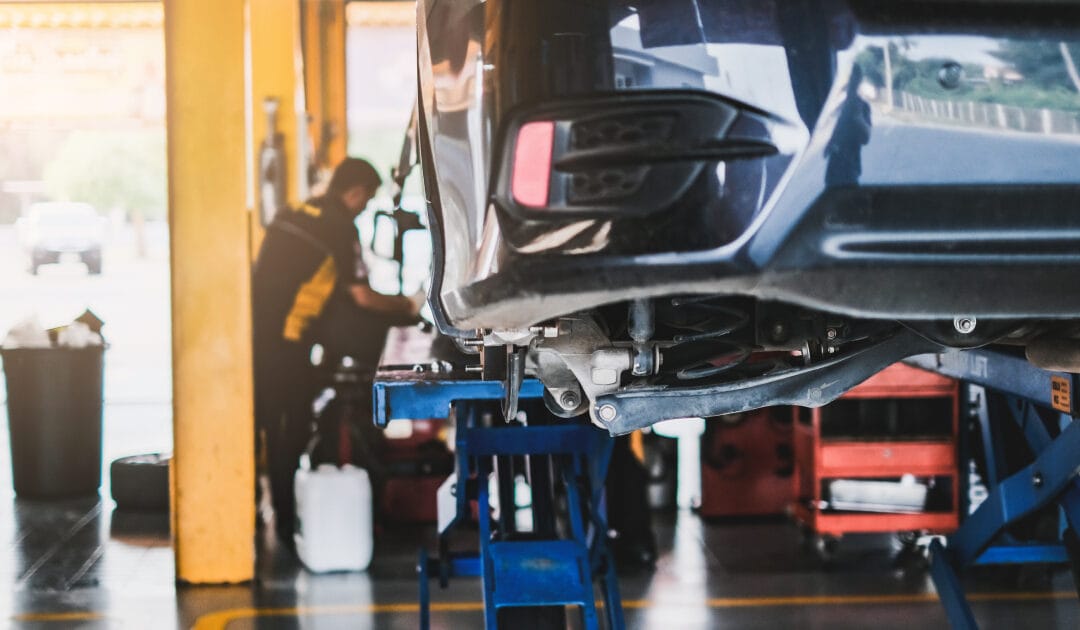
Getting the vehicle up on a hoist and having the undercarriage actually looked at is something a lot of drivers skip. It’s understandable; if nothing seems wrong, it’s easy to assume nothing is. But salt damage is often found in places that don’t produce obvious symptoms until the damage has become significant. A corroded brake line doesn’t always give warning before it fails. At Hawkeyes Automotive, undercarriage inspections are built into how seasonal maintenance is approached for vehicles in this region. Red Seal certified expertise, local shop trust, and the kind of straight assessment that tells you what’s actually there, not what generates the biggest invoice. Anyway, that’s usually where it clicks for drivers who’ve been putting it off.
Spring Is When the Damage Gets Counted
After the last salt application of the season, spring is a reasonable time to assess what winter did. The vehicle should be washed thoroughly, inside the wheel wells and along the undercarriage, so that residual salt is removed before warmer temperatures set in. It’s also a good time to book an inspection if one hasn’t been done recently. Catching a corroded brake line or a rusting subframe bracket early is a much better situation than finding out about it during a repair for something else. For drivers in Niagara Falls, ON who rely on their vehicles for work or family use, that kind of proactive check tends to pay for itself, over time.
Working With a Local Shop You Can Trust
Finding a mechanic who’ll give you a straight answer about what your vehicle actually needs, without padding the estimate, matters more when safety-related components are involved. Corrosion repairs can range from straightforward to significant depending on how far things have progressed, and the difference should be explained honestly. Hawkeyes Automotive works with everyday commuters, families, and tradespeople across the Niagara Falls area, providing upfront quotes and no unnecessary upsells. Quality work at a reasonable price is the standard held to here. If you want to know where your vehicle stands heading into or out of an Ontario winter, visit the Hawkeyes Automotive website to book your inspection.
Mini-FAQ
Q: What parts of a vehicle are most damaged by road salt?
The undercarriage takes the worst of it. Brake lines, fuel lines, the exhaust system, and the subframe are all exposed to salt spray every time a treated road is driven on. Wheel wells and lower body panels are also commonly affected. Not always visible from the outside, either. That still surprises people.
Q: Does washing your car in winter actually help against salt damage?
Fair point to raise, because a lot of drivers skip washes in winter thinking it’s pointless. It isn’t. Regular rinsing, especially underneath the vehicle, removes salt before it has time to sit and work into the metal. Automatic car washes with undercarriage spray are a reasonable option. Not a complete solution on their own, but a meaningful part of a prevention routine.
Q: Can road salt damage affect vehicle safety, not just appearance?
Look, this is the part that matters most. Rust on a door panel is cosmetic. Rust on a brake line or a steering component is a different situation entirely. Salt-related corrosion has been linked to brake failures and compromised structural integrity in older vehicles. If several Ontario winters have passed without an undercarriage inspection being done, it’s worth having someone take a look.
Q: Is undercoating worth it for vehicles in the Niagara region?
Funny enough, this question comes up a lot in the fall. Undercoating, whether rubberized or oil-based, creates a barrier between the metal and the salt. It’s generally considered worthwhile for vehicles that are going to stay in Ontario long-term, particularly work trucks and SUVs that see a lot of road time. The effectiveness depends on the product used and how well the surface was prepared before application.
by SEOteam | Aug 4, 2026 | Blog
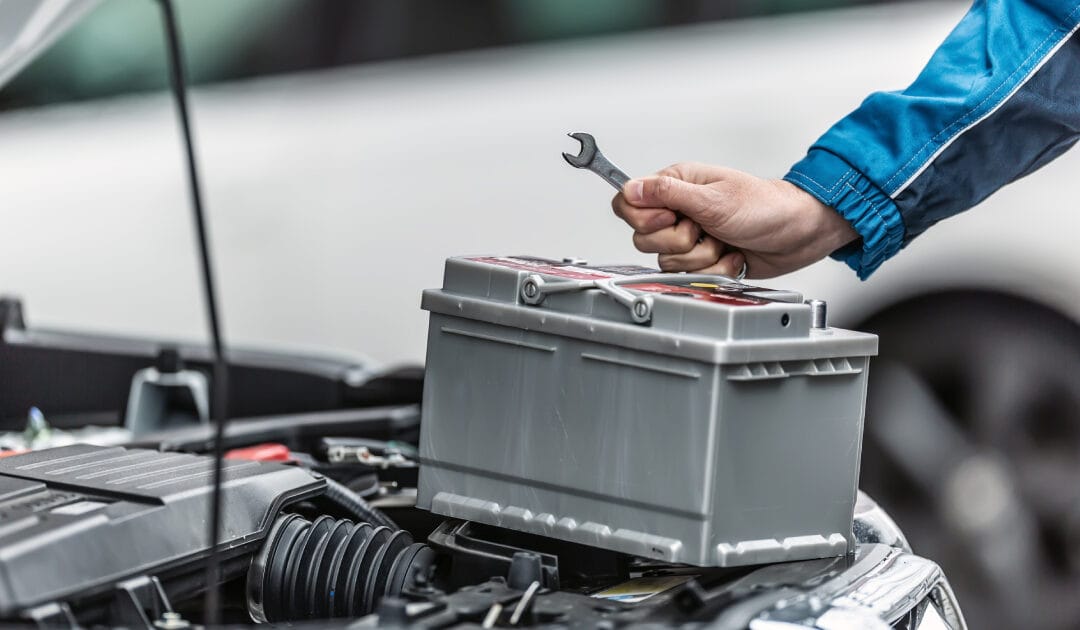
A car battery is usually reaching the end of its life when it struggles to start the engine, especially in cold weather; other signs include dimming headlights, a swollen battery case, or a battery warning light that keeps coming on. Most batteries last three to five years, so age alone is worth factoring in. If any of these sound familiar, it’s worth having it tested.
Fast Facts
- Most car batteries last between three and five years under normal driving conditions, though Ontario winters can shorten that range noticeably
- A battery that’s been jump-started more than twice in a single season is likely on its way out
- Cold temperatures reduce a battery’s cranking power by up to 35%, which is why failures tend to cluster in late fall and early winter
- Corroded terminals are one of the most commonly overlooked signs of a battery that’s been struggling for a while
- Electrical accessories (heated seats, power windows, infotainment screens) that suddenly behave sluggishly can be an early indicator before the engine itself shows any trouble
Slow Cranking Is Usually the First Real Sign
When the engine turns over slowly on a cold morning, that’s not just the weather being dramatic. Something is being communicated by the battery. Cold temperatures reduce a battery’s ability to deliver current, and a battery that’s already weakened will feel that stress first. If a vehicle takes noticeably longer to start than it used to, especially on mornings below zero, that signal is worth taking seriously. A lot of commuters in Niagara Falls chalk it up to the season and move on; sometimes that’s fine. But if it keeps happening, or gets worse as winter deepens, the battery is probably the cause.
Dimming Headlights and Sluggish Accessories
Dim headlights are one of those things that creep up gradually. Over time, the change is subtle enough that it doesn’t register until someone else points it out. But if the lights seem noticeably less bright than they used to be, or if power windows and heated seats feel slower to respond, more is being asked of the electrical system than the battery can comfortably supply. This pattern is often seen in older SUVs and work trucks that carry a lot of electrical load. Not always dramatic. But it’s consistent, and consistency is what makes it worth paying attention to.
The Battery Warning Light Isn’t Just a Suggestion
A lot of drivers see the battery light flicker and assume it’ll sort itself out. It usually won’t. That light is tied to the vehicle’s charging system, and when it comes on, something in that system is underperforming. It might be the battery, the alternator, or a connection issue; any of those left alone tends to get worse. The light being on doesn’t mean the car is about to stop immediately, but the problem is already present. Getting it diagnosed early is almost always cheaper than waiting until the vehicle won’t start at all.
Visible Corrosion on the Terminals
Battery terminals are easy to ignore because they’re out of sight under the hood. But corrosion, that white or bluish-grey buildup around the posts, is a sign that the battery has been working harder than it should, or that moisture and road salt have been doing their thing over time. Current flow gets restricted by corroded terminals, which means the battery can’t charge or discharge properly even if the battery itself is still functional. In a region like Niagara Falls, where road salt gets used heavily through the winter months, terminal corrosion tends to be noticed earlier and more aggressively than in milder climates. Interesting how that works, really.
A Swollen or Misshapen Battery Case
This one’s less common, but it matters. A battery case that looks bloated or warped has usually been exposed to excessive heat or has been overcharged at some point. It’s a physical sign that the internal chemistry has been compromised. A swollen battery should be replaced. Full stop. It’s not something that improves on its own, and in some cases it can become a safety concern. If a visual check under the hood turns up a battery that looks anything other than flat and rectangular, that’s worth flagging to a mechanic right away.
Age Alone Is a Reasonable Trigger for Testing
Batteries don’t always fail dramatically. Some just get weaker, bit by bit, until one cold morning there isn’t enough left to start the engine. If a battery is three years old or more, it’s worth having it load-tested, even if it seems to be working fine. This is especially true for out-of-warranty vehicles where the battery hasn’t been replaced since the car was new. A load test takes a few minutes; a clear picture of how much capacity is actually left gets returned pretty quickly. It’s one of those checks that tends to prevent the inconvenient kind of surprise. Anyway, that’s usually where it clicks for most people.
What Ontario Winters Do to Battery Life
Ontario winters are, to be fair, genuinely hard on batteries. The combination of cold temperatures, frequent short trips, and heavy electrical demand from heated seats, defrosters, and headlights running on long dark mornings adds up fast. A battery that might last five years in a milder climate could realistically need replacement after three in this region. Drivers in Niagara Falls who commute short distances are particularly affected, because short trips don’t always give the alternator enough time to fully recharge the battery after a cold start. Over a season or two, that deficit compounds. It’s not a flaw in the vehicle; it’s just the reality of driving here.
Getting Your Battery Checked at Hawkeyes Automotive
If any of these signs sound familiar, the straightforward move is to get the battery tested before it becomes a problem. At Hawkeyes Automotive in Niagara Falls, battery testing is handled as part of a no-pressure diagnostic process backed by Red Seal certified expertise. No hidden fees are charged, and no unnecessary upsells are made; just an honest look at what’s going on and a clear explanation of what, if anything, needs to be done. Quality work at a reasonable price is the standard here, and that applies whether a family sedan, a work truck, or an ATV is being brought in. To book a time or learn more, visit the Hawkeyes Automotive website.
Mini-FAQ
Q: How do I know if it’s the battery or the alternator causing my car problems?
Fair point, because the two get confused all the time. A battery problem usually shows up at startup; the engine cranks slowly or not at all. An alternator issue tends to appear while the vehicle is already running, often as a battery warning light or dimming gauges. Both can be tested quickly with the right equipment. That still surprises people.
Q: Can a battery fail suddenly without any warning signs?
It can, though it’s less common than people think. In most cases, the signs were there but got written off as “just the cold” or “probably nothing.” A battery that’s been borderline for a season or two is more likely to quit on a cold January morning than a warm one. Worth getting it checked before winter sets in.
Q: Is it safe to keep driving if my battery warning light comes on?
Look, it depends on what’s actually triggering it. The warning light can be set off by a weak battery, a failing alternator, or a loose connection. Driving on it isn’t recommended for long. The charging system is being flagged for a reason, and ignoring it tends to turn a simple fix into a bigger one.
Q: Does road salt affect car batteries?
Funny enough, it does, indirectly. Road salt accelerates corrosion on battery terminals and cable connections, which is a real issue for vehicles driven through Niagara Falls winters year after year. Corroded terminals reduce the flow of current and can make a decent battery perform like a weak one. Regular visual checks go a long way.