How Often Should You Inspect Your Brakes in Niagara Falls?
In Niagara Falls driving conditions, brakes should generally be inspected at least once a year; however, the region’s road salt, winter moisture, and frequent stop-and-go traffic often make twice-yearly checks the more practical standard. Roughly every 20,000 kilometres is a reasonable starting point, though your driving habits and vehicle type will shift that number.
Fast Facts
- Brake pads in high-salt environments like Niagara Falls can wear up to 30% faster than in drier climates, due to rotor corrosion accelerating pad contact friction
- A visual inspection of your brake pads can often be done through the wheel spokes, no lift required
- Most passenger vehicles have a recommended brake inspection interval of 20,000 to 25,000 kilometres, but local conditions frequently push that earlier
- Work trucks and SUVs carrying heavy loads wear brakes significantly faster than lighter commuter cars
- Squealing, grinding, or a soft brake pedal are warning signs that should be checked before the next scheduled service, not after
Why Niagara Falls Is Harder on Brakes Than Most Places
Driving in Niagara Falls, ON isn’t the same as driving in a dry climate, and brake wear reflects that pretty clearly. The region gets significant snowfall, road brine application starts early in the season, and the freeze-thaw cycle through late winter is relentless. All of that moisture and salt finds its way into brake components. Rotors develop surface rust quickly, sometimes overnight after rain; caliper slides and hardware corrode in ways that cause uneven pad wear. It’s not dramatic, but it adds up over a season. Vehicles that sit outside, which is most of them, are especially exposed.
The Standard Interval, and Why It Probably Doesn’t Apply Here
Most owner’s manuals suggest a brake inspection somewhere around every 20,000 to 25,000 kilometres. That’s a reasonable baseline for average conditions. But Niagara Falls driving conditions aren’t average, at least not in the way those intervals were originally calculated. Stop-and-go traffic on Lundy’s Lane, highway merging on the QEW, and winter driving with extended braking distances all push wear faster than a manual written for a general audience is built to account for. In many cases, a twice-yearly inspection, once before winter and once after, is a more practical approach for local drivers, especially for vehicles that are already out of warranty.
What a Brake Inspection Actually Involves
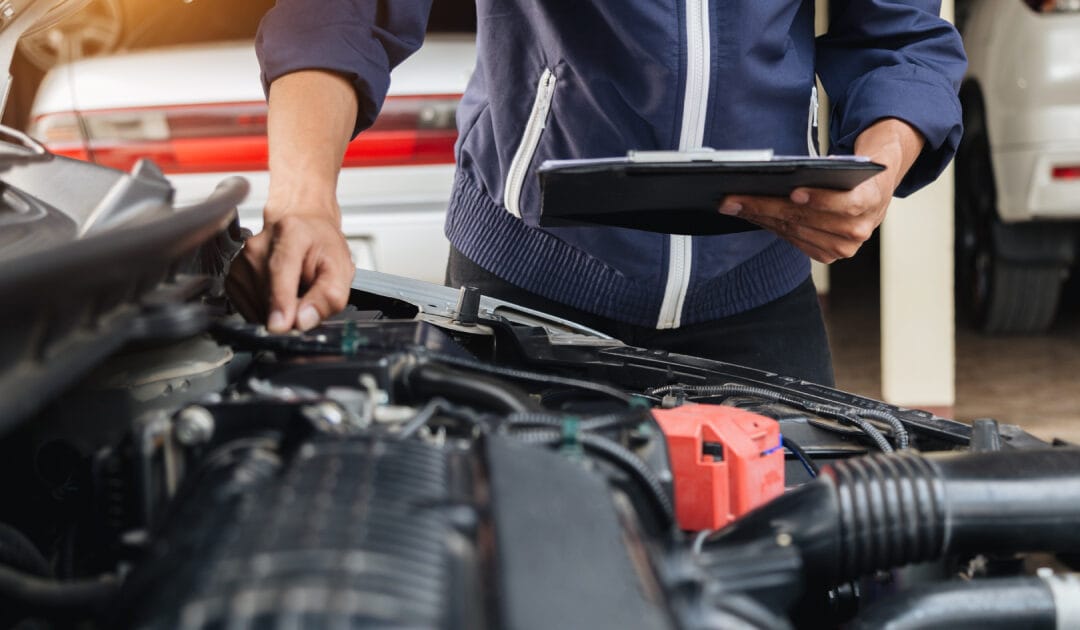
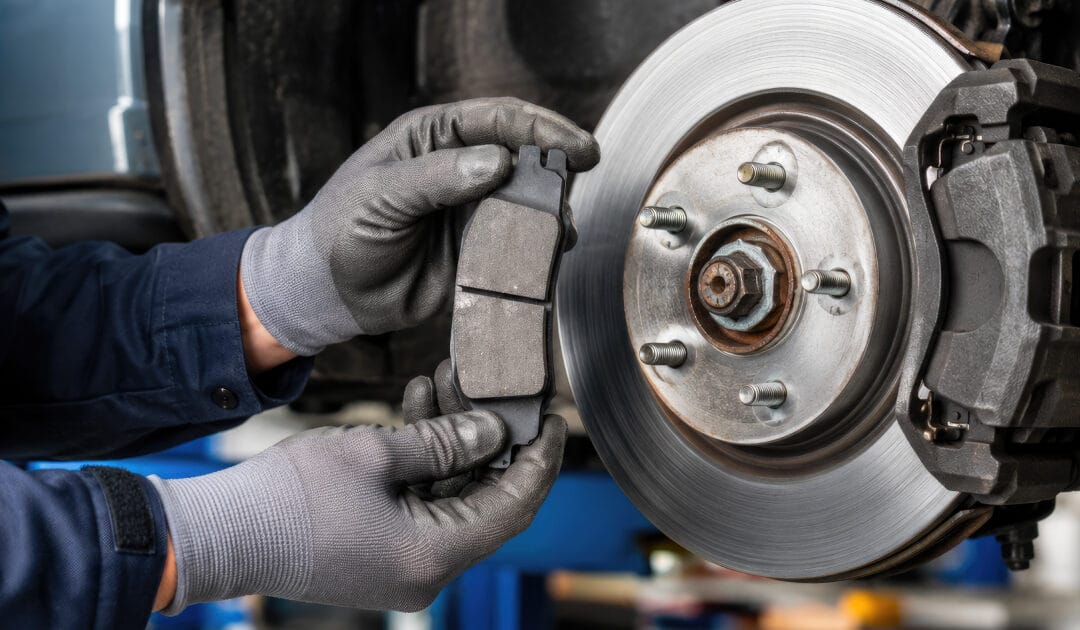
A proper brake inspection isn’t just a quick look through the wheel. Pad thickness is measured, rotors are checked for scoring and thickness variation, calipers are inspected for sticking or uneven movement, brake lines are looked over for corrosion or cracking, and brake fluid condition is assessed. Fluid absorbs moisture over time, and in a climate like Niagara Falls, that happens faster than people tend to expect. The whole check usually takes less time than an oil change; it’s one of those things that’s easy to skip and, to be fair, easy to regret skipping. Anyway, that’s usually where it clicks for most drivers.
Warning Signs That Shouldn’t Wait for a Scheduled Visit
Some things are worth paying attention to between inspections. Squealing when the brakes are first applied in the morning can be surface rust burning off, which is normal after a damp night. But squealing that continues through braking, or grinding at any point, is a different story. A soft or spongy pedal, pulling to one side under braking, or a vibration through the steering wheel when stopping are all signs that something needs to be looked at sooner rather than later. None of those symptoms tend to resolve on their own, and waiting usually means a more involved repair than catching it early would have required.
Work Trucks and SUVs: A Separate Conversation
For tradespeople running work trucks around Niagara Falls, brake wear is a more frequent concern than it is for a commuter in a compact car. Load weight has a direct effect on stopping distance and pad wear. A truck that’s regularly carrying tools, materials, or towing a trailer is working its brakes harder on every stop; the same is true for family SUVs that are loaded up regularly. In those cases, inspections probably make sense closer to every 15,000 kilometres, or at minimum every season. It’s not about being cautious for the sake of it. It’s just the math of how braking systems wear under load, day by day.
Brake Fluid: The Part People Forget
Brake fluid doesn’t get talked about as often as pads and rotors, but it matters. It’s hygroscopic, meaning moisture gets absorbed from the air over time. As moisture content increases, the fluid’s boiling point drops, which can affect braking performance under hard use. In a climate with significant humidity and temperature swings, like Niagara Falls through spring and fall, fluid condition can degrade faster than the two-year replacement interval suggested by some manufacturers. Checking fluid condition is part of a thorough brake inspection, and it’s something that’s easy to overlook if attention is only being paid to the pads. That sounds straightforward on paper, but it’s more commonly missed than most people realize.
The Cost of Waiting Too Long
Brake repairs that are caught early are almost always less expensive than repairs that are caught late. Worn pads replaced on time don’t damage rotors. Rotors that are inspected and resurfaced when needed don’t have to be replaced entirely. Calipers serviced before they seize don’t require full replacement. The pattern is consistent. Deferred brake maintenance tends to turn a straightforward service into a more involved one, and for drivers who are already cautious about repair costs, which describes a lot of people in Niagara Falls, staying ahead of brake wear is actually the more cost-effective approach over time. Quality work at a reasonable price starts with catching things before they escalate.
Getting Your Brakes Checked in Niagara Falls
If you’re not sure when your brakes were last inspected, that’s probably reason enough to have it done. Probably enough. Brake inspections are part of the regular service work carried out at Hawkeyes Automotive, where everyday commuters, families, and tradespeople across Niagara Falls, ON are looked after. Red Seal certified expertise, local shop trust, and no pressure to approve work that isn’t actually needed. Upfront quotes are provided, no hidden fees are added, and a straightforward conversation about what your vehicle actually needs is part of every visit. The shop is open Monday through Friday, so booking a time that fits your week is usually straightforward. Visit the Hawkeyes Automotive website to learn more or to get in touch.
Mini-FAQ
Q: Does road salt actually damage brakes, or is that overstated?
It’s genuinely a factor. Salt accelerates rust on rotors and caliper hardware, and that rust doesn’t just look bad. Uneven pad wear, sticking calipers, and reduced stopping power can all be caused by it over time. Vehicles driven through Niagara Falls winters are exposed to heavy brine application on regional roads, and that exposure is cumulative. Not a scare tactic. Just physics.
Q: If my brakes feel fine, do I still need an inspection?
Fair point, and a lot of drivers think this way. The problem is that brake wear isn’t always felt before it becomes serious. Rotors can be scored, hardware can be corroding, and pad material can be low, all without any obvious change in pedal feel. By the time something feels wrong, the repair is usually more involved. That still surprises people.
Q: What’s the difference between a brake inspection and a brake service?
An inspection is a visual and mechanical check of your pads, rotors, calipers, brake lines, and fluid. No parts are replaced unless something is found. A service, on the other hand, involves actual work, whether that’s replacing pads, resurfacing or replacing rotors, or flushing brake fluid. One leads to the other when needed, but they’re not the same visit.
Q: Should I get my brakes checked more often if I drive a truck or SUV?
Generally, yes. Heavier vehicles put more demand on braking systems, and if you’re hauling tools, equipment, or a trailer, that load increases stopping distances and pad wear considerably. Brake wear tends to happen faster than expected for tradespeople running work trucks around Niagara Falls. Worth factoring in.